
What it is
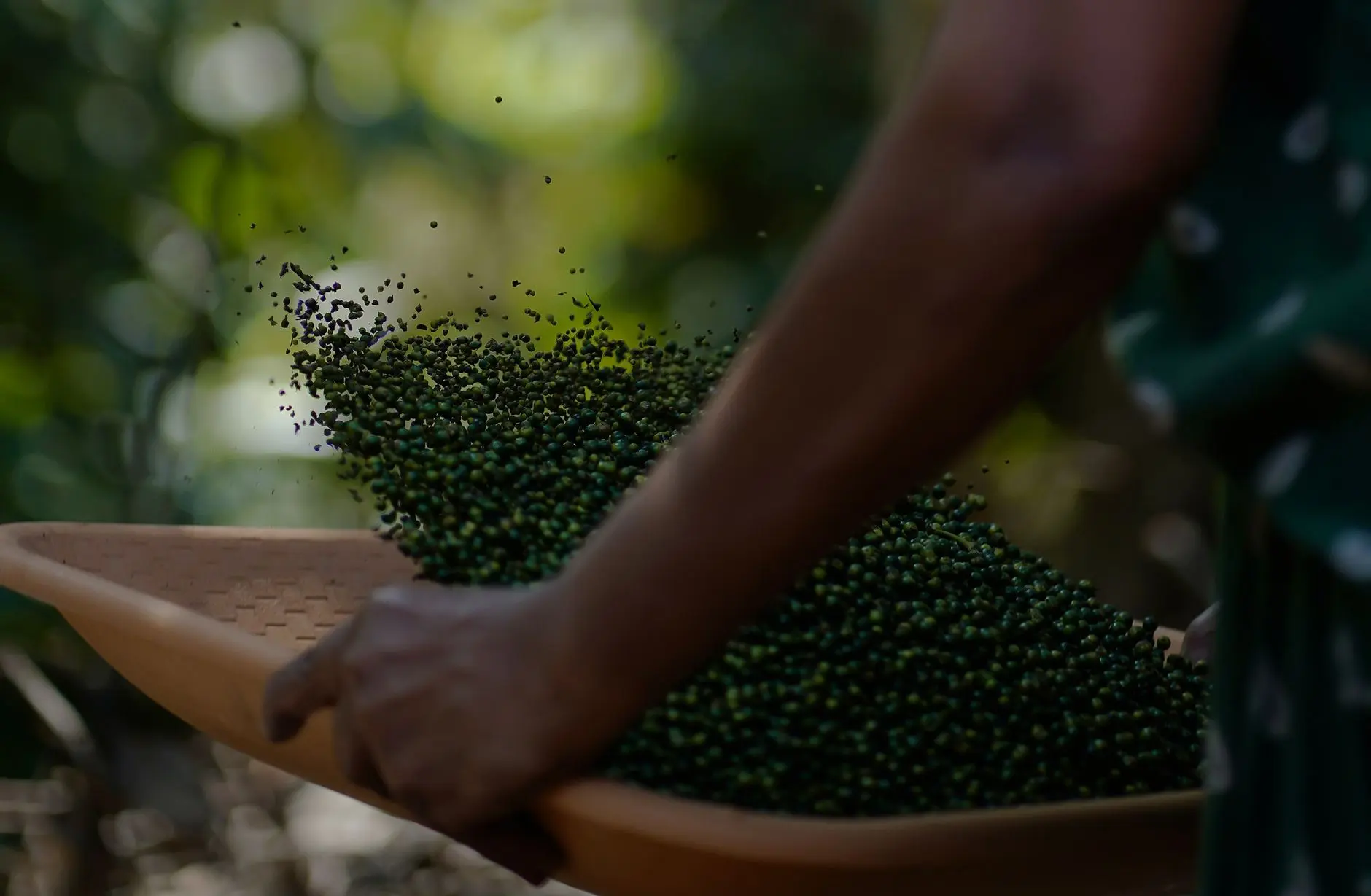
Black pepper consists of the dried, unripe drupes harvested from the woody flowering vine Piper nigrum of the Piperaceae family.
You’ll find it sold as whole dried peppercorns, ground or freshly cracked powder, and as green peppercorns preserved in brine or vinegar that are traditionally pickled in parts of south India.
Flavour and aroma
Black pepper gives a distinct, biting pungency from the alkaloid piperine and a deep, lingering warmth. Whole peppercorns also carry piney, citrusy and woody aromatic oils, and gentle dry roasting or tempering in warm ghee softens the harsh bite and releases subtle woody and floral aromas.
Cooking with it
When to add it
Crushed black pepper with cumin is the quintessential flavour base for South Indian milagu rasam; you’ll recognise it by the peppery sting and warm finish. Whole peppercorns give texture and bursts of warmth in ven pongal, and black pepper is a key pungent component in whole garam masala mixes and in Indian spiced chai.
Use whole peppercorns in hot ghee or oil during tadka to perfume the fat, dust freshly cracked pepper at the very end of cooking to keep the volatile aromatics, and add coarsely ground pepper into marinades for South Indian pan-fried meats and seafood.
Substitutes
- White pepperuse an equal amount for milder pungency without dark specks
Origin and where it grows
Black pepper is indigenous to the tropical evergreen rainforests along the Malabar Coast and Western Ghats of southern India. Karnataka is the leading producer in India, with heavy cultivation in Kodagu and Chikmagalur, while Kerala (Wayanad, Idukki) is a major traditional producer and Tamil Nadu grows it commercially in the Ghats. Malabar Pepper is registered under the Indian Geographical Indications Registry across Kerala, Karnataka and Tamil Nadu.
Grown in
Notable varieties
- Malabar PepperGI tagged
Kerala
Buying and storing
How to pick good quality
High-quality peppercorns are heavy, uniform in size, deeply wrinkled, and produce a sharp crack rather than crumbling when pressed.
Simple adulteration check
According to the FSSAI DART manual, adding peppercorns to a glass of water causes genuine pepper to sink, whereas adulterant papaya seeds float on the surface.
Storage
Whole black peppercorns should be kept in an airtight, moisture-resistant container away from direct sunlight and stove heat.
Shelf life: Up to three years when stored whole in sealed containers.
Nutrition
Per 100 grams, black pepper is rich in manganese, vitamin K and iron, and it contains the bioactive compound piperine; the small amounts used in cooking add little to daily intake.
Frequently asked questions
How do I tell good black peppercorns when buying?
Good peppercorns are heavy, uniform in size, deeply wrinkled and give a sharp crack when pressed rather than crumbling.
Is there a quick test for adulteration?
Yes. Per the FSSAI DART manual, genuine peppercorns sink in a glass of water while common adulterant papaya seeds float on the surface.
When should I add black pepper to a dish?
Add whole peppercorns to hot ghee or oil during tadka to perfume the fat, dust freshly cracked pepper at the end of cooking to keep aromatics, and use coarsely ground pepper in marinades for pan-frying.
Can I substitute white pepper for black?
White peppercorns can be used as a substitute when you want milder heat without dark flecks; use an equal amount for a gentler pungency.
Related ingredients
 Spice
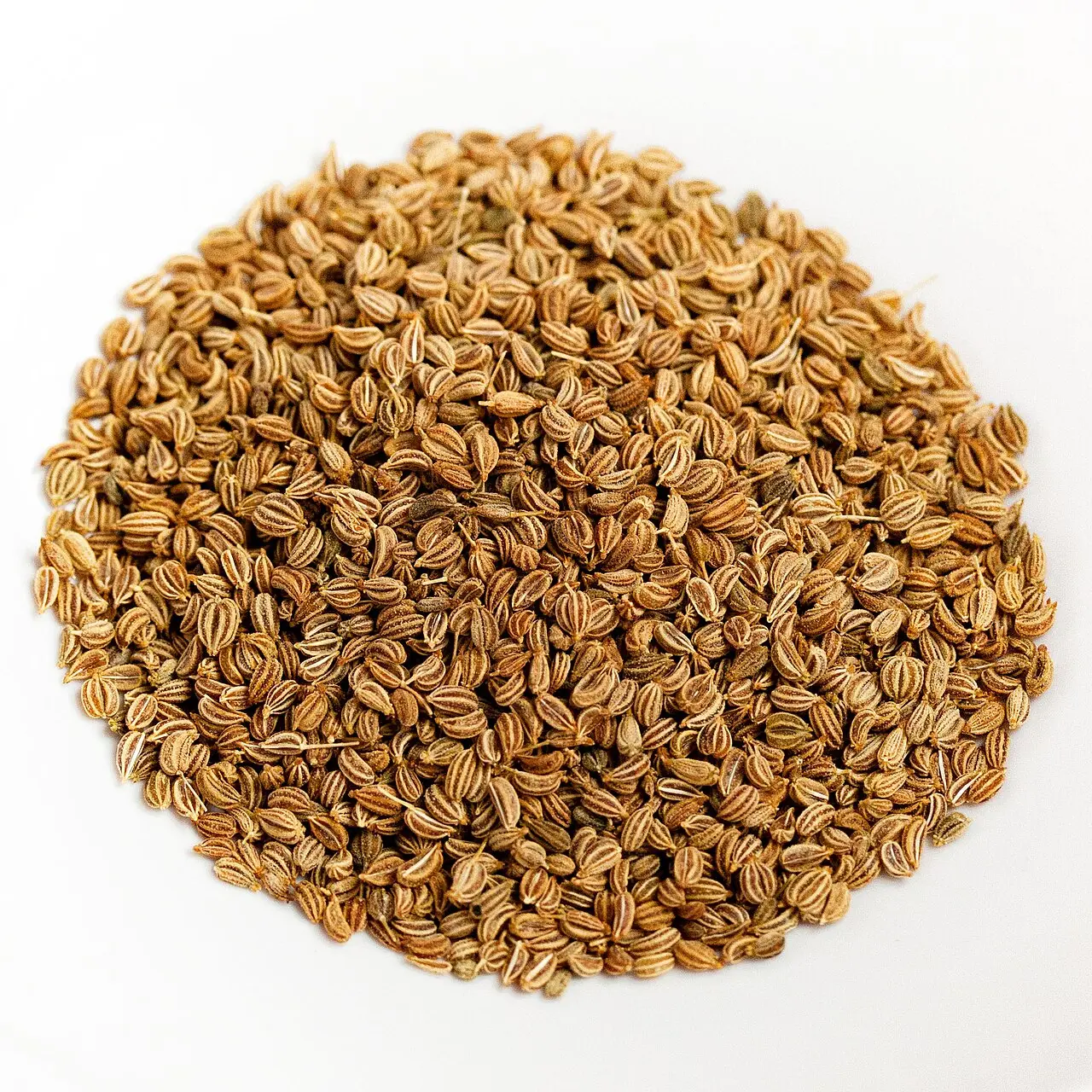
SpiceCarom seeds
अजवाइन (Ajwain)
 Spice
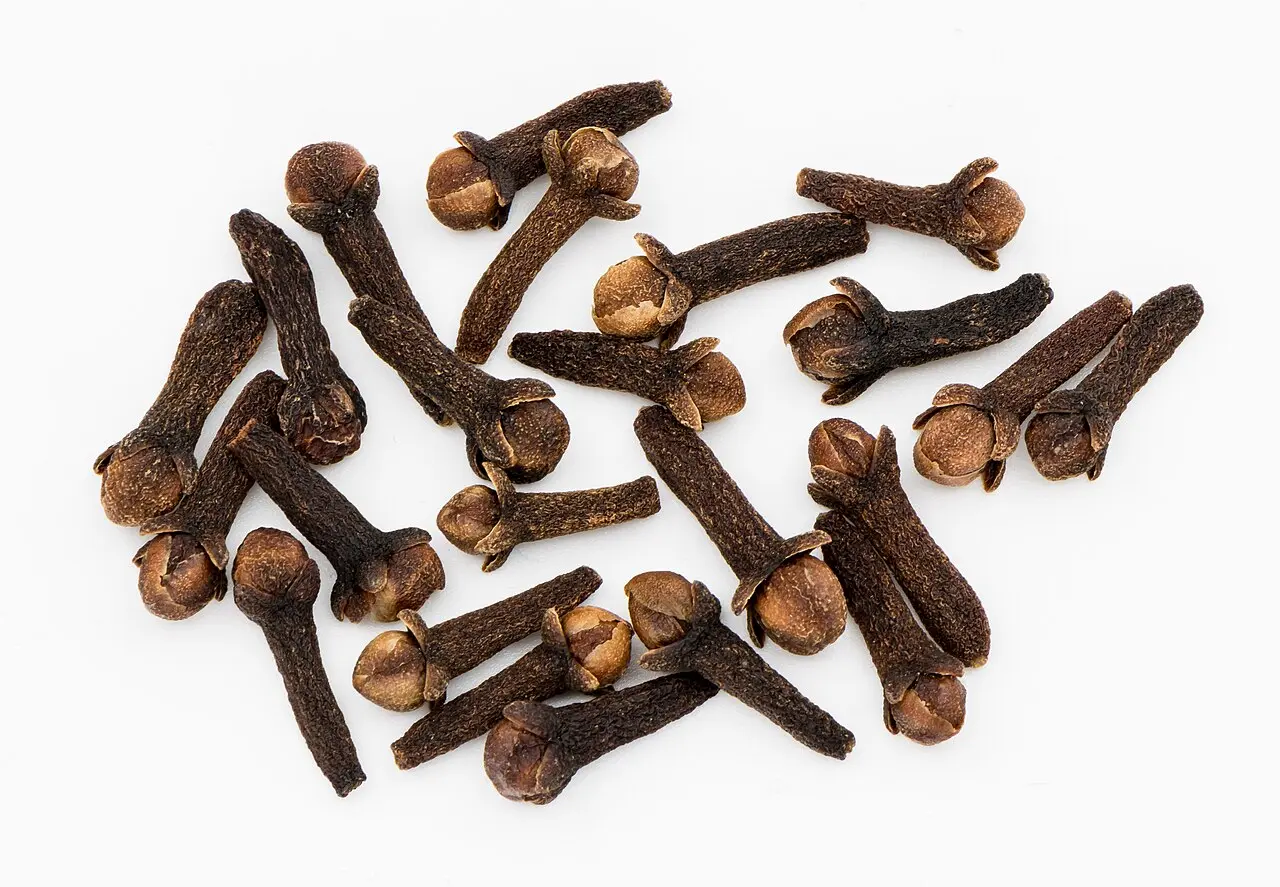
SpiceClove
लौंग (Laung)
 Spice
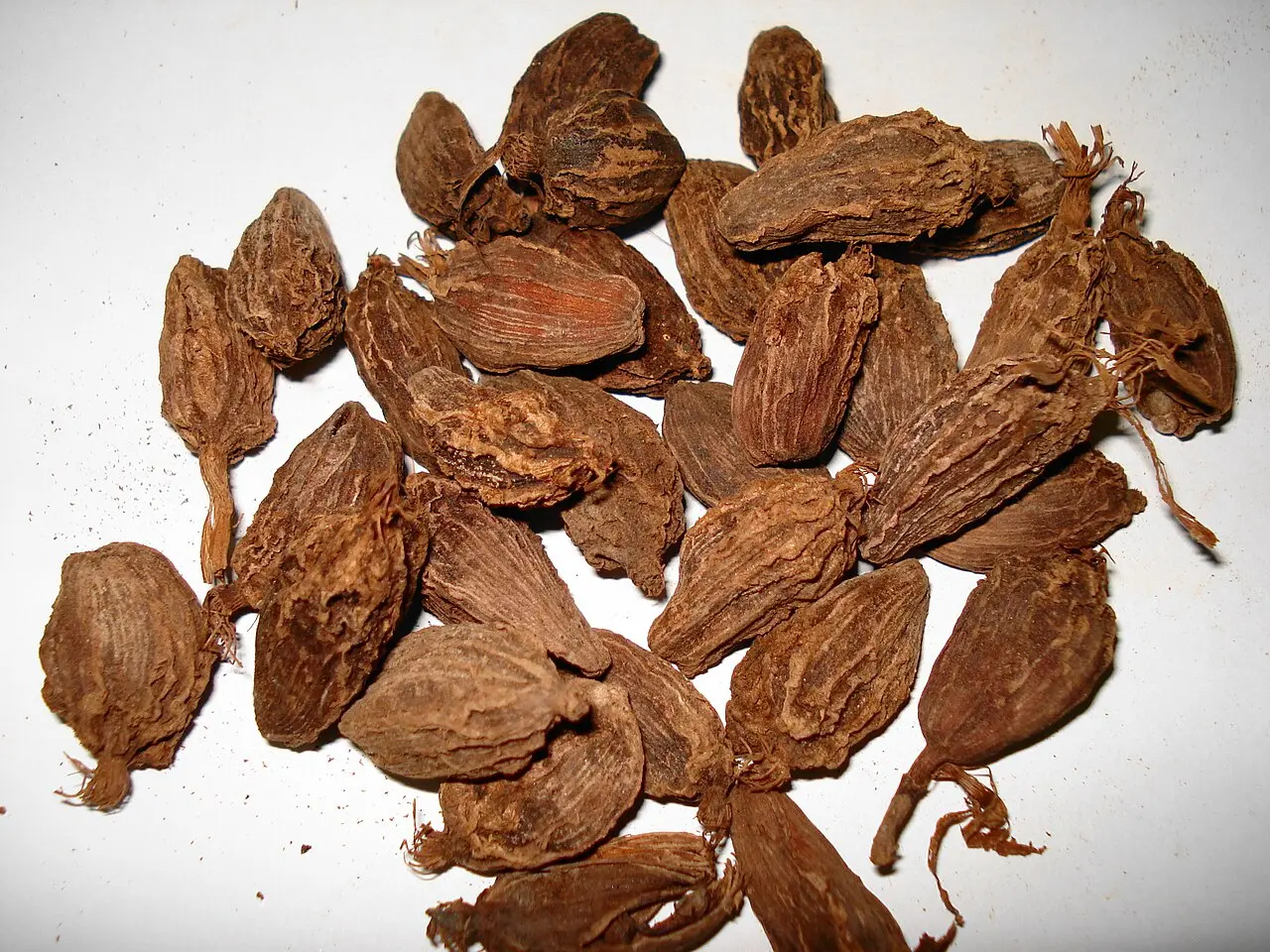
SpiceBlack cardamom
बड़ी इलायची (Badi elaichi)
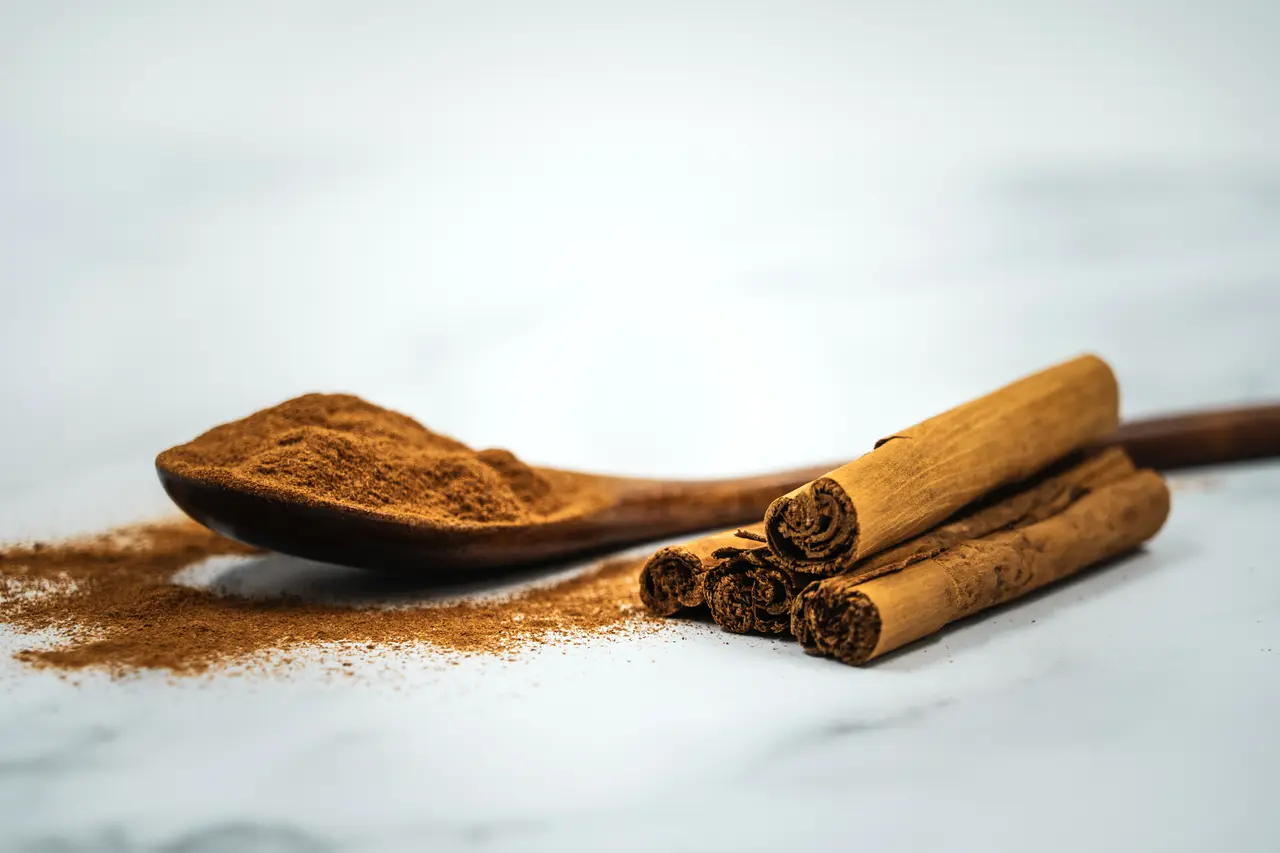 Spice
SpiceCinnamon
दालचीनी (Dalchini)
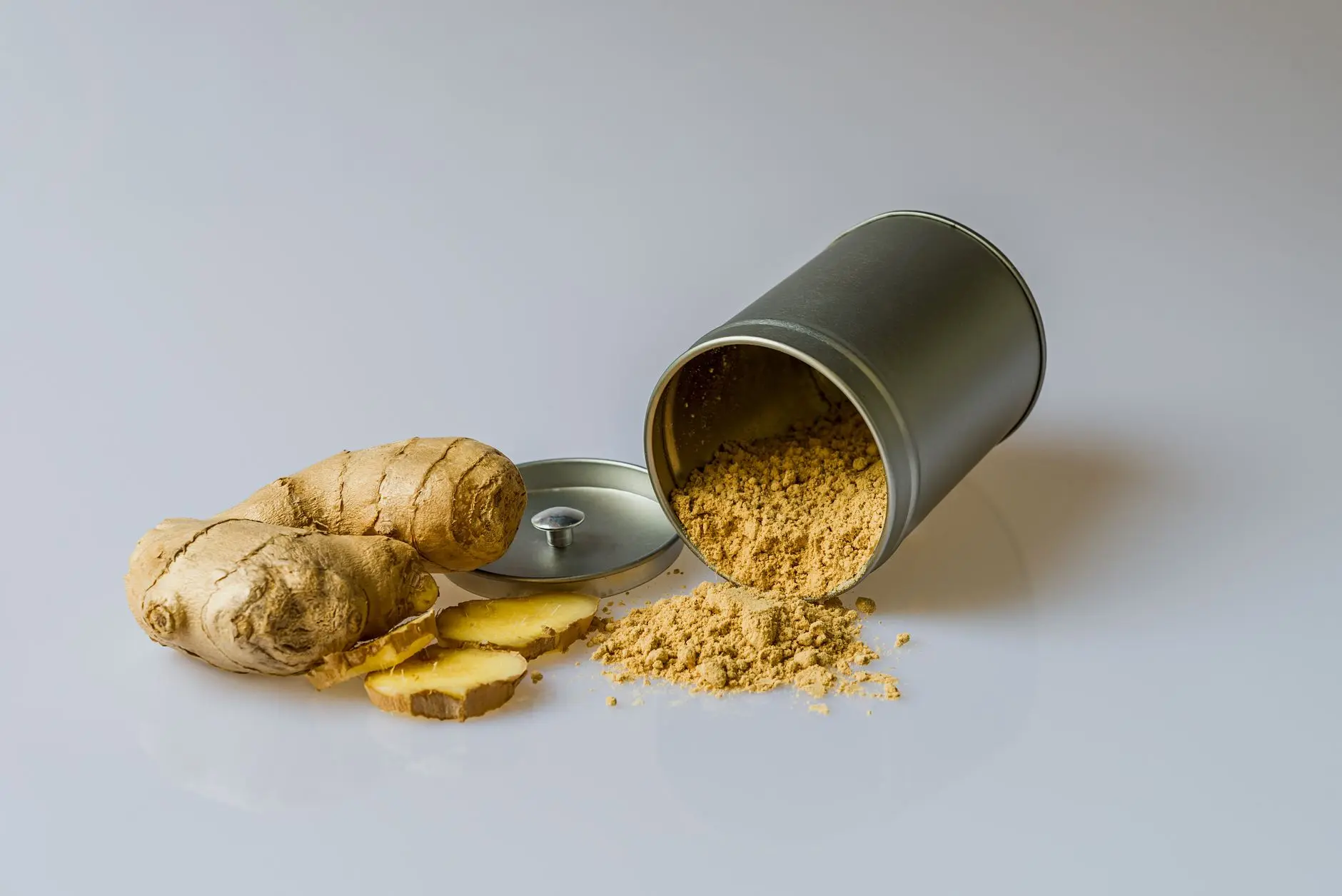 Spice
SpiceDry ginger powder
सोंठ (Saunth)
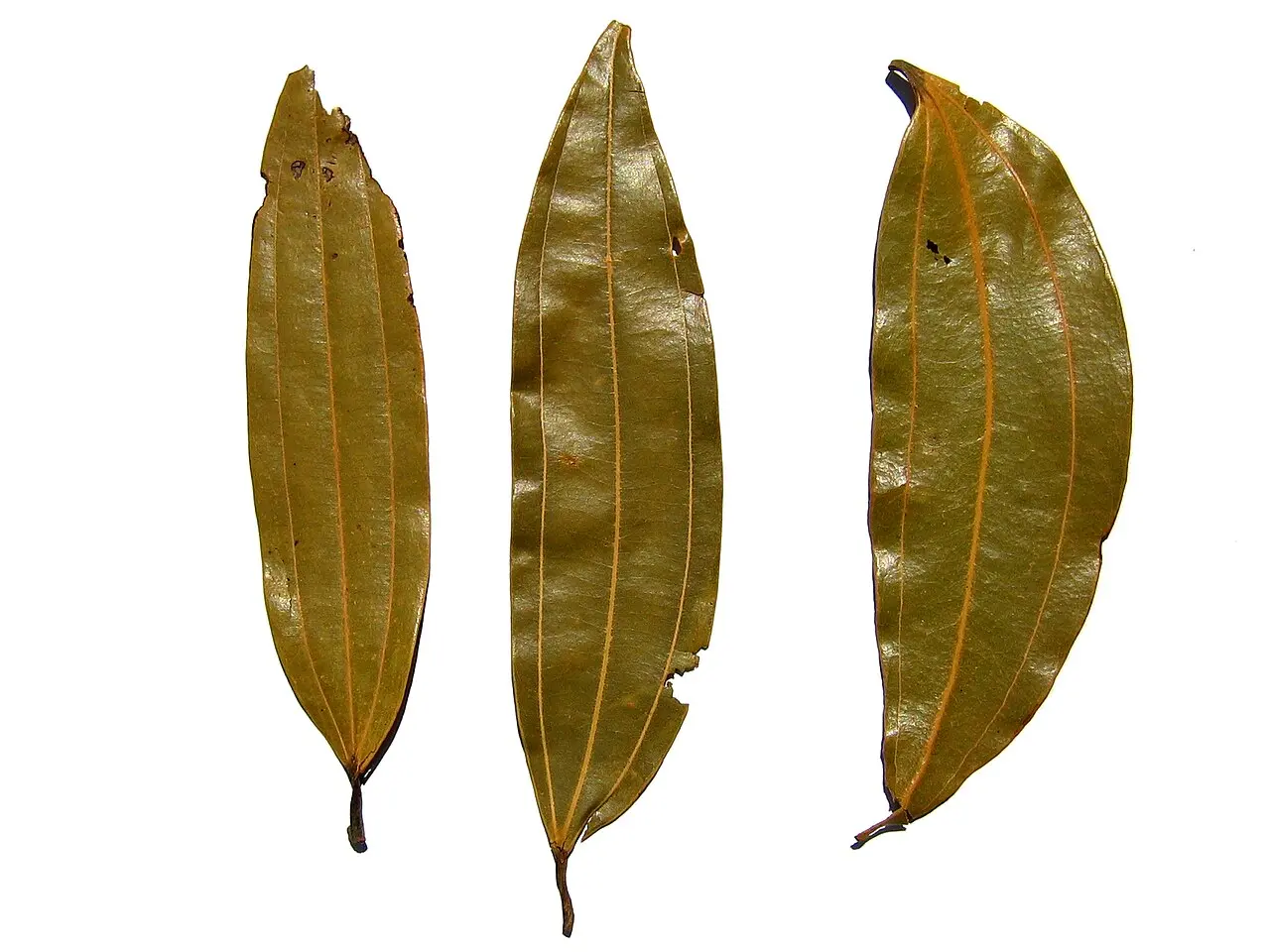 Spice
SpiceIndian bay leaf
तेज पत्ता (Tej patta)