
What it is
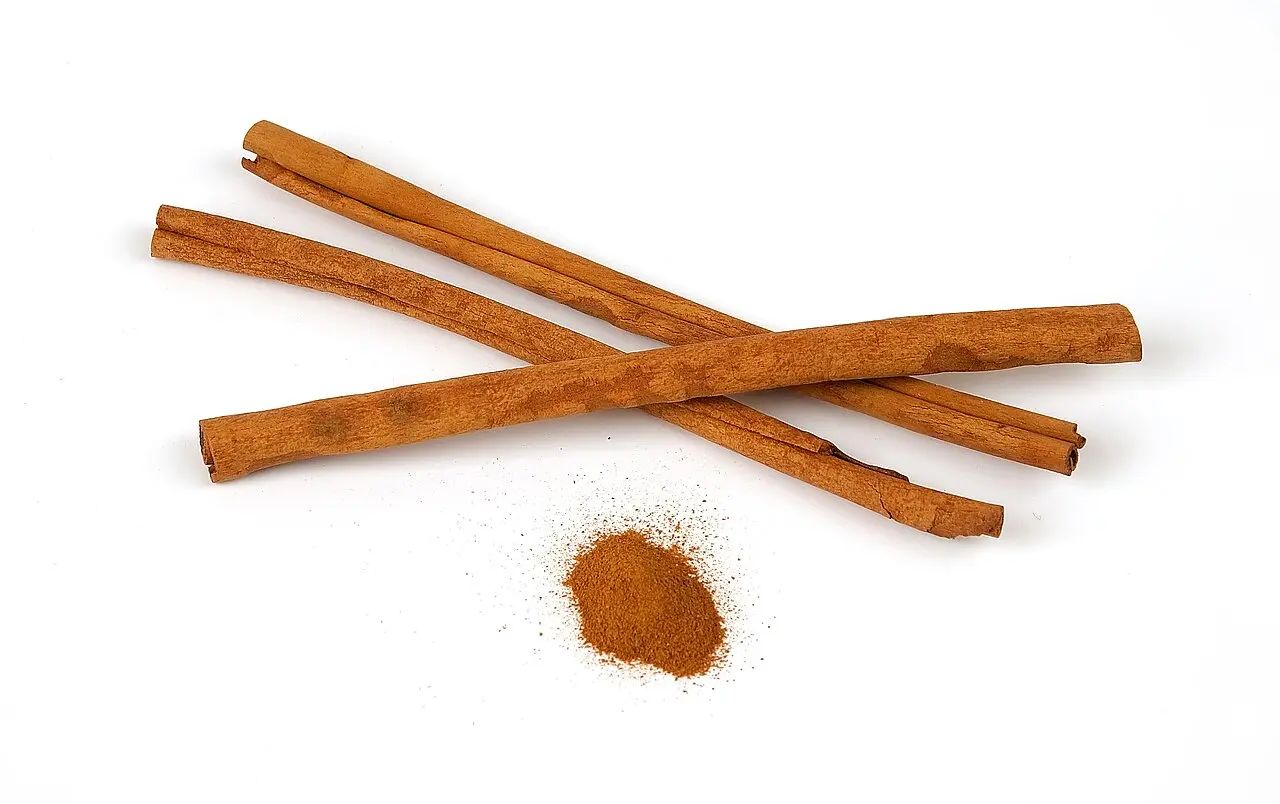
Cinnamon is the dried inner bark of evergreen trees in the genus Cinnamomum, most notably Cinnamomum verum (true cinnamon).
You’ll find it sold as whole rolled barks called quills, as a fine ground powder, and as essential oils extracted from bark and leaves by steam distillation for culinary and commercial uses.
Flavour and aroma
Cinnamon brings an intense warm, naturally sweet character and a fragrant, aromatic scent from cinnamaldehyde. When fried in hot fat or simmered in liquids it releases a mellow, sweet woody aroma without harsh bitterness.
Cooking with it
When to add it
How much to use
Whole cinnamon sticks are a regular in garam masala and are fried with cloves and green cardamom for biryani and pulao. Add a quill to hot ghee or oil during tadka to gently infuse the fat, or simmer a stick through the cooking for a deep, woody sweetness.
For drinks, boil ground cinnamon or whole pieces into water or milk for masala chai or kadha. For sweets like kheer and halwa, use ground cinnamon toward the end of cooking to keep the delicate aromatics.
Substitutes
- Cassia barkstronger and more pungent; use in slightly lesser amounts
Origin and where it grows
True cinnamon is native to the central hills of Sri Lanka and neighbouring regions of South Asia. In India it is grown commercially in parts of the Western Ghats; Kerala, Tamil Nadu and Karnataka are noted producing states.
Grown in
Buying and storing
How to pick good quality
True cinnamon quills have multiple paper-thin, soft layers rolled together like a cigar and they crumble easily between your fingers; that soft layered feel is the quick home test I use when buying.
Simple adulteration check
Under the FSSAI DART manual, true cinnamon is distinguished from adulterating cassia by its multiple fragile thin layers, while cassia forms a thick single hard scroll that resists breaking.
Storage
Store cinnamon in an airtight container in a cool, dry, dark pantry away from heat and direct sunlight.
Shelf life: Whole sticks: 2 to 3 years; ground powder: loses potency after about 6 months.
Nutrition
Per 100 g, ground cinnamon contains roughly 53 g dietary fiber and over 1,000 mg calcium, while being naturally low in fat.
Frequently asked questions
How do I tell true cinnamon from cassia?
True cinnamon quills have multiple fragile, paper-thin layers and crumble easily; cassia makes a single thick, hard scroll that resists breaking, per the FSSAI DART manual.
How long does cinnamon keep?
Whole cinnamon sticks keep their aroma for about 2 to 3 years, while ground cinnamon typically loses potency after about 6 months.
When should I add cinnamon while cooking?
Add whole sticks to hot ghee or oil during tadka, or simmer quills through curries and biryanis; boil ground or whole pieces into water or milk for drinks, and add ground cinnamon toward the end for sweets.
How much cinnamon for a curry or biryani for four?
Use a 1- to 2-inch piece of whole quill or about one-fourth teaspoon of ground cinnamon for a dish serving four.
Related ingredients
 Spice
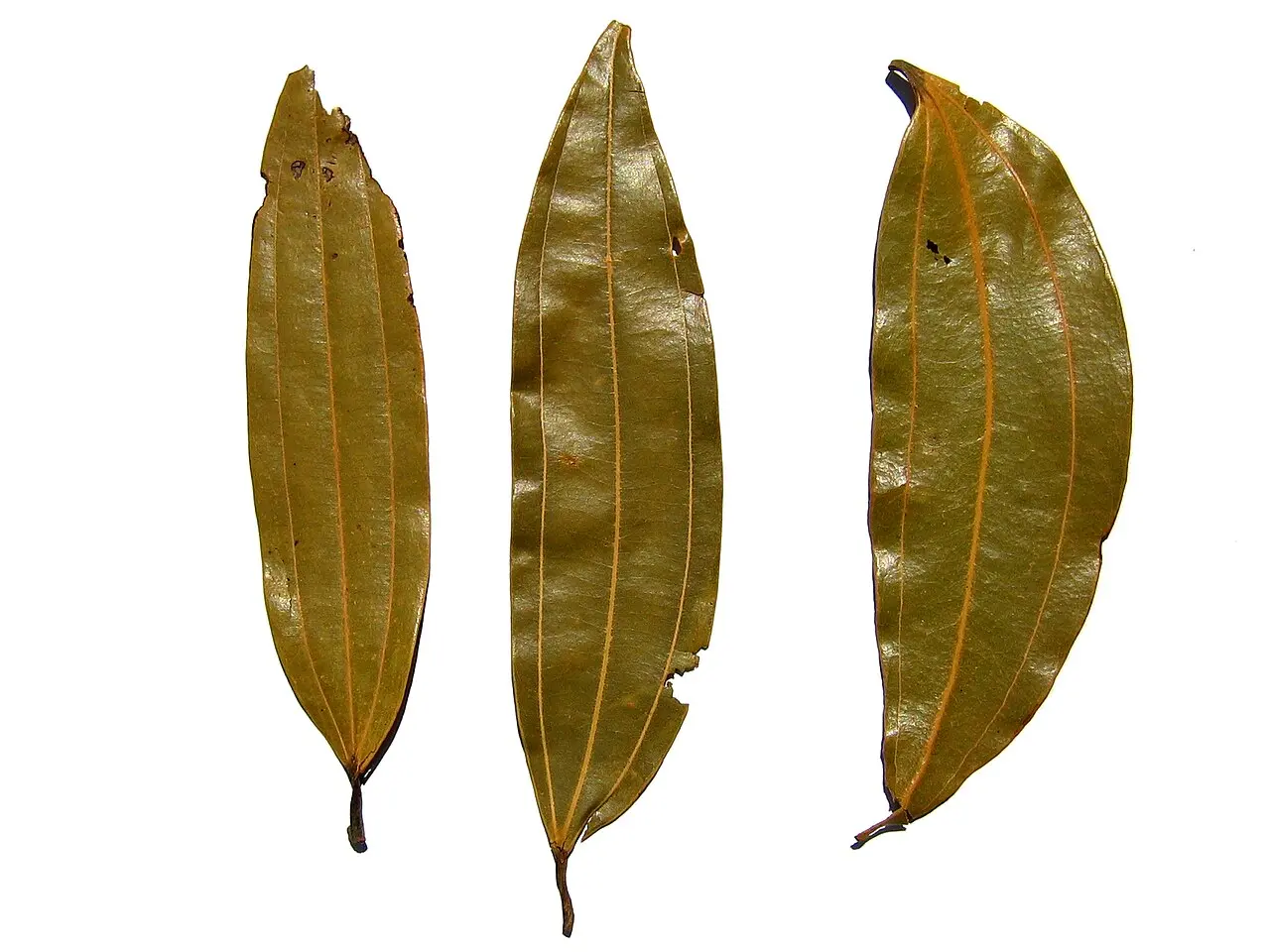
SpiceIndian bay leaf
तेज पत्ता (Tej patta)
 Spice
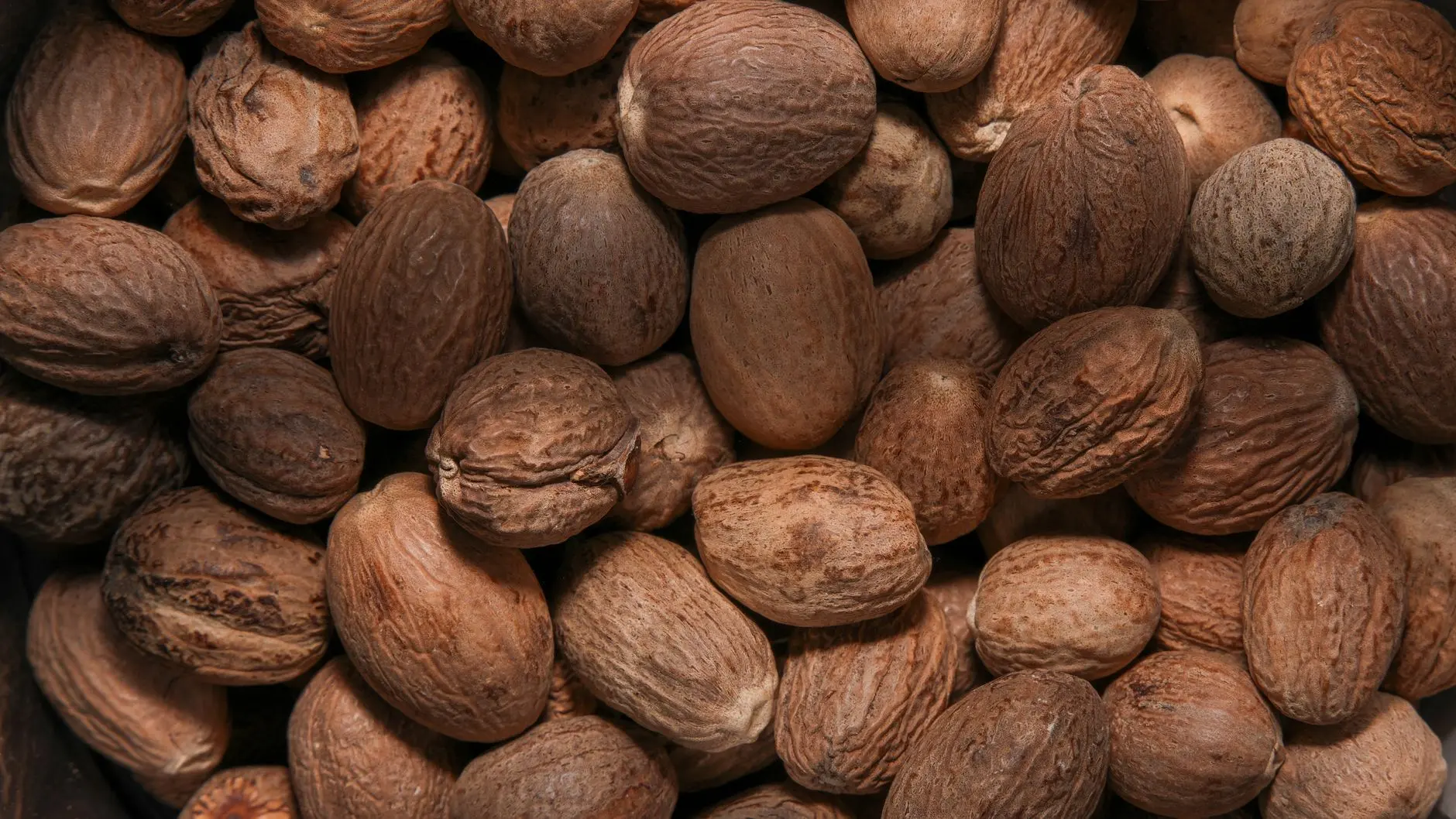
SpiceNutmeg
जायफल (Jaiphal)
 Spice
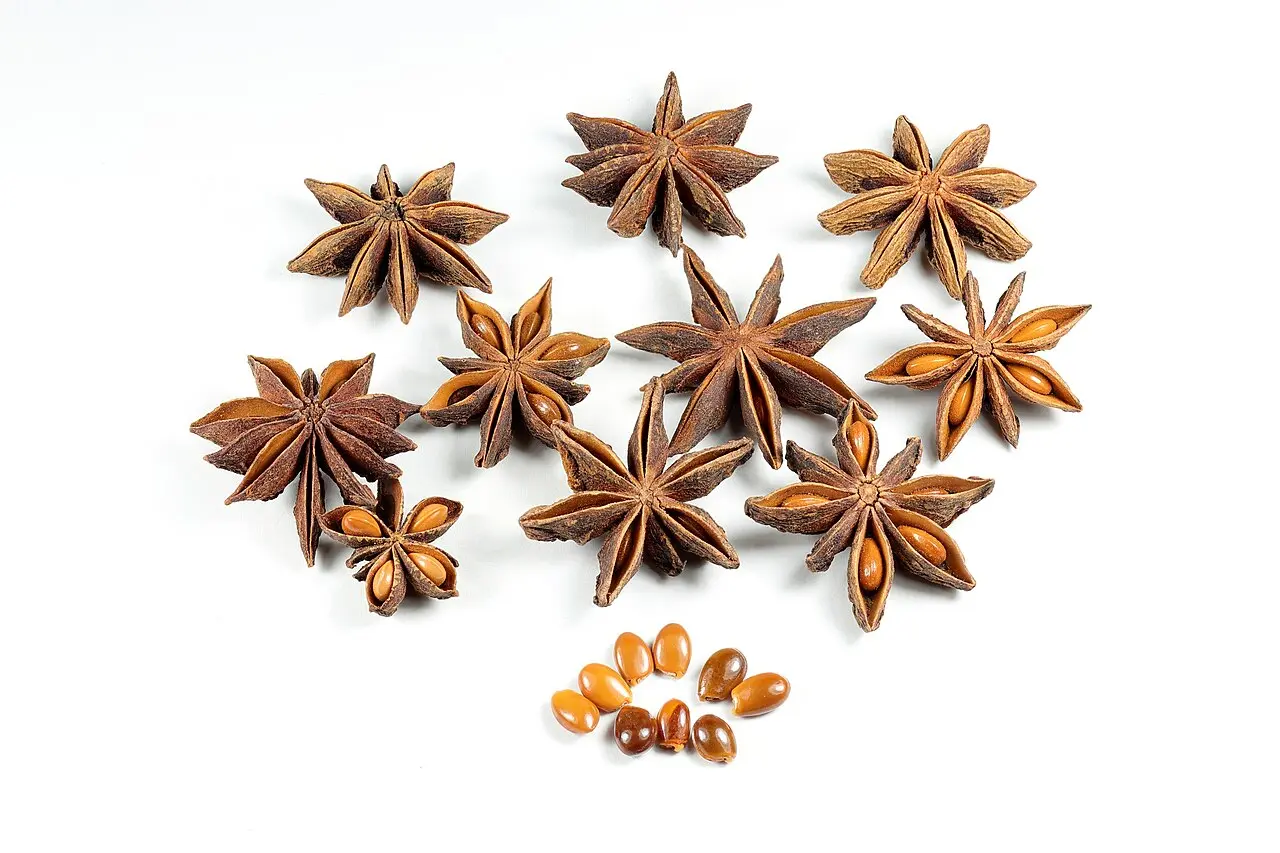
SpiceStar anise
चक्र फूल (Chakra phool)
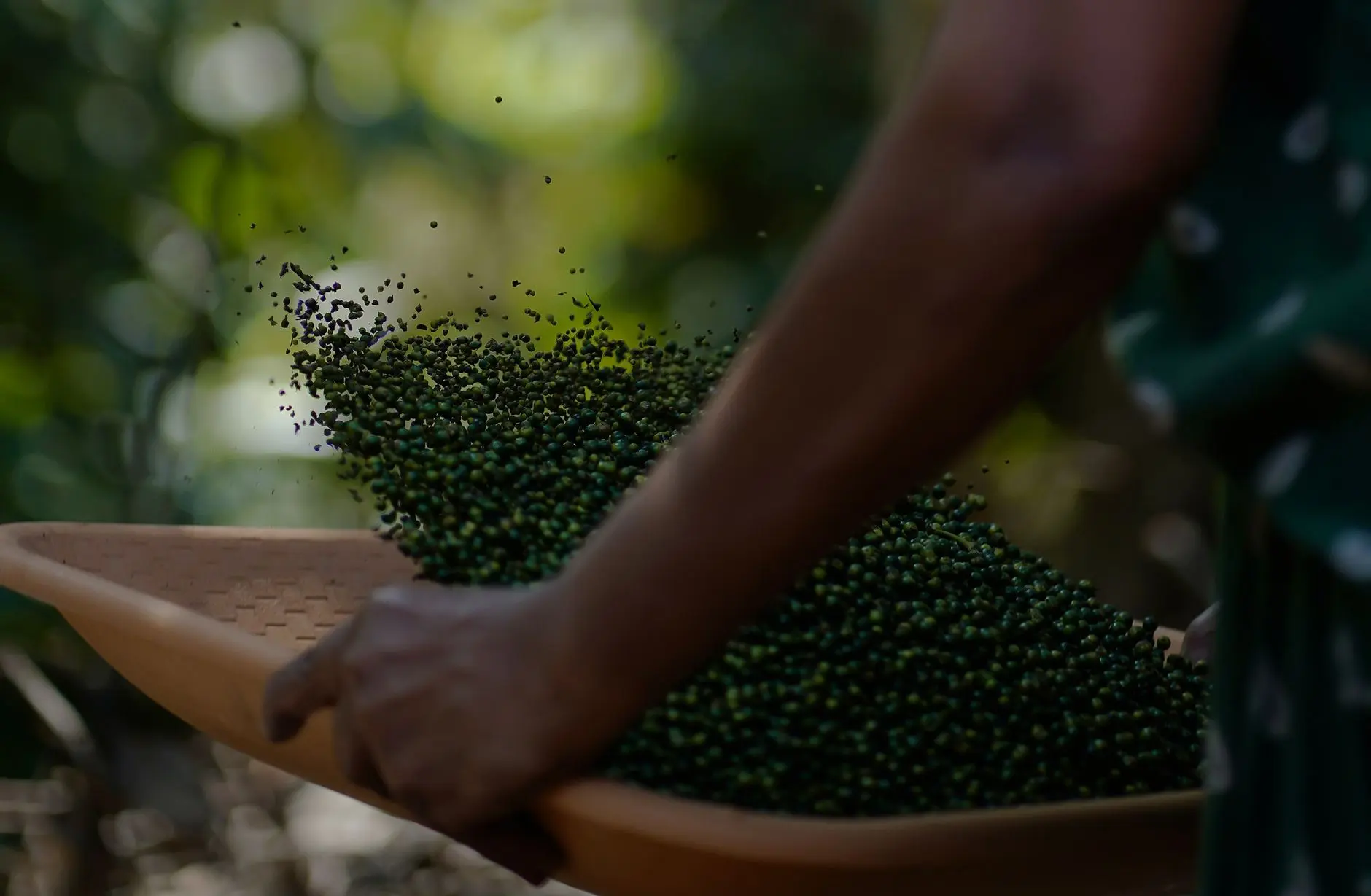 Spice
SpiceBlack pepper
काली मिर्च (Kali mirch)
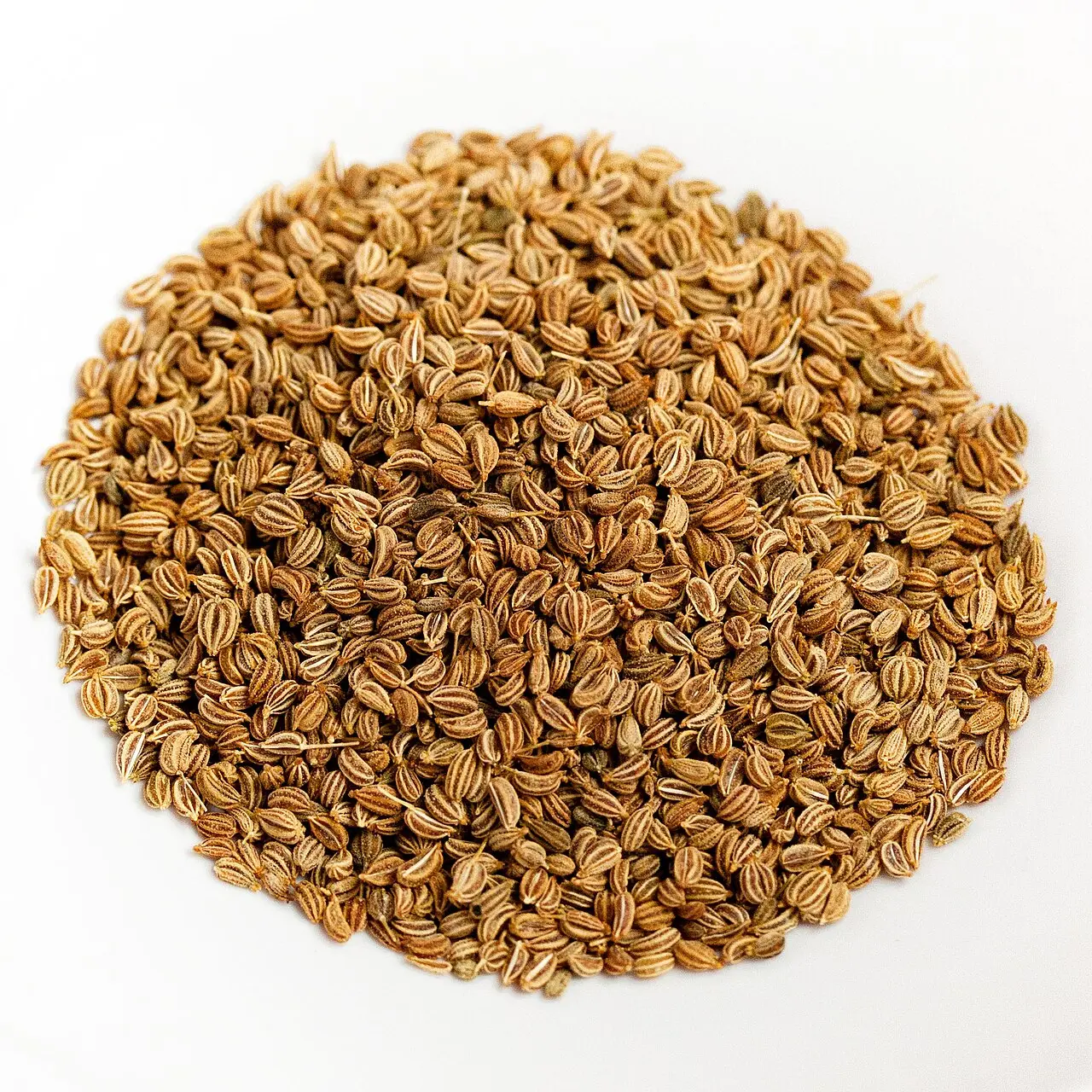 Spice
SpiceCarom seeds
अजवाइन (Ajwain)
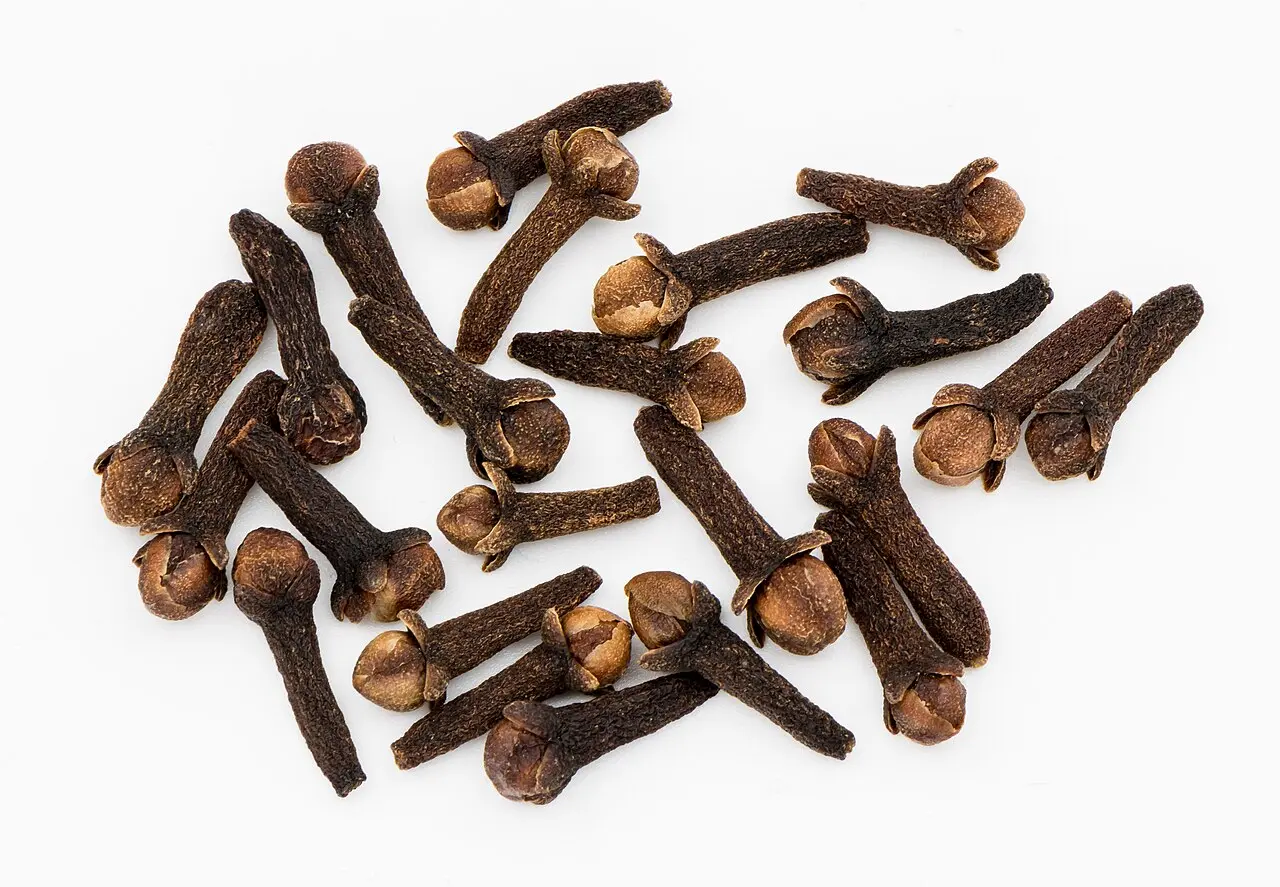 Spice
SpiceClove
लौंग (Laung)