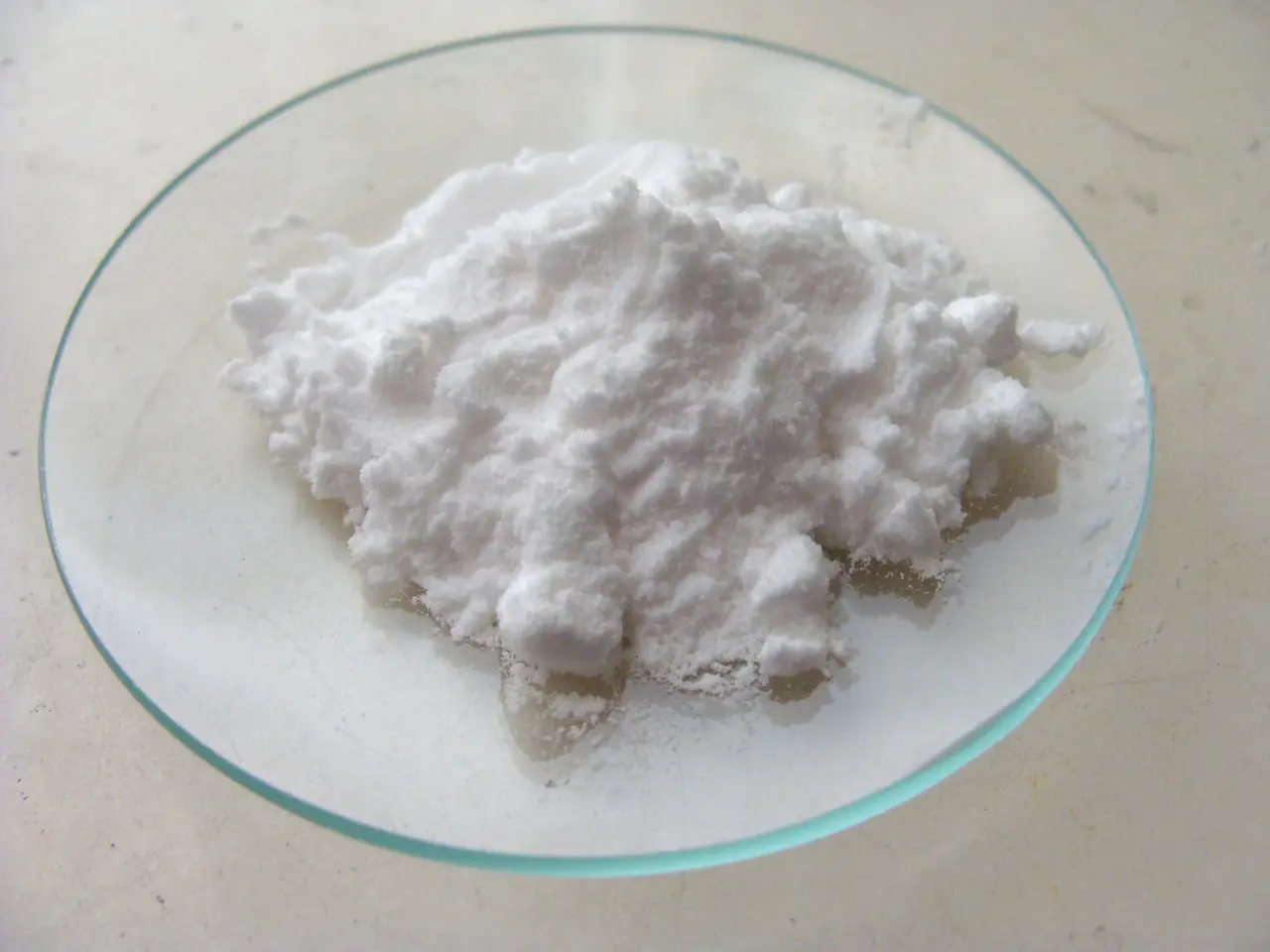
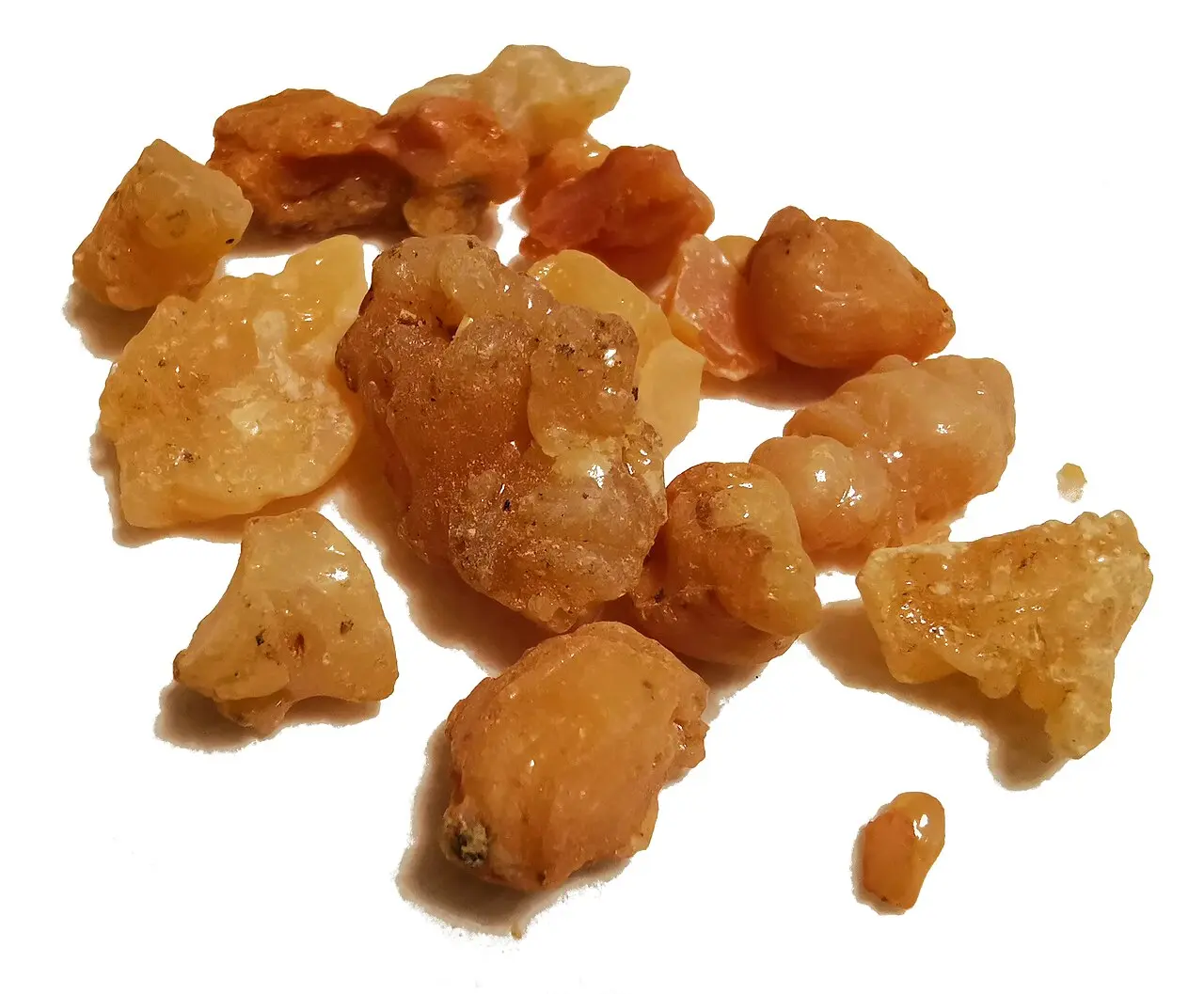
Hing is a dried resin from Ferula that smells strongly of sulfur when raw, but turns savory in hot oil. Add it to tadka for sambar, rasam, or onion- and garlic-free Jain dishes; raw lumps are more potent, while compounded hing is a ready-to-use powder.
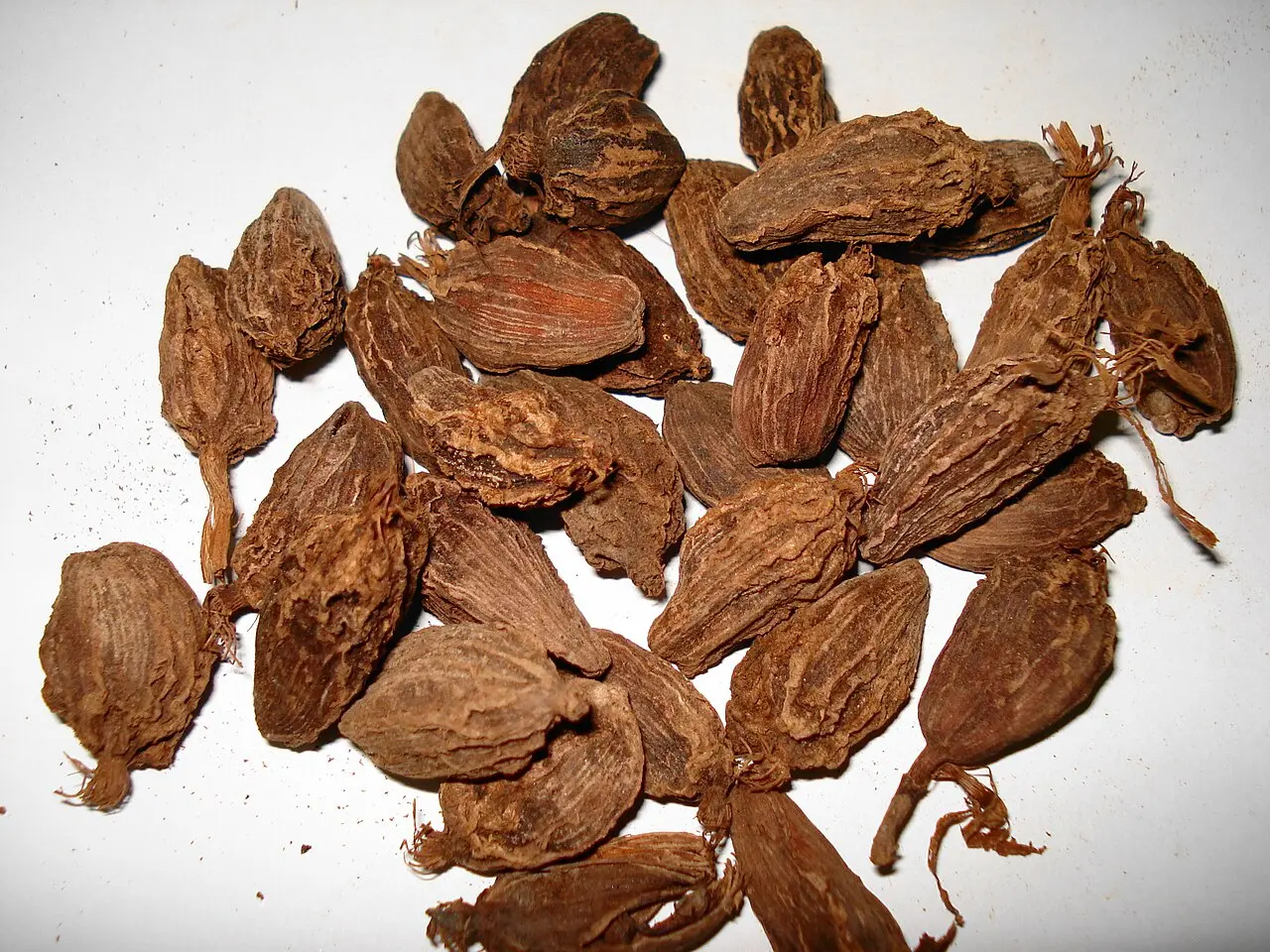
Black cardamom (बड़ी इलायची) is the dried fruit capsule of Amomum subulatum with a strong, smoky, camphoraceous aroma; it’s used whole in rich curries and biryanis.
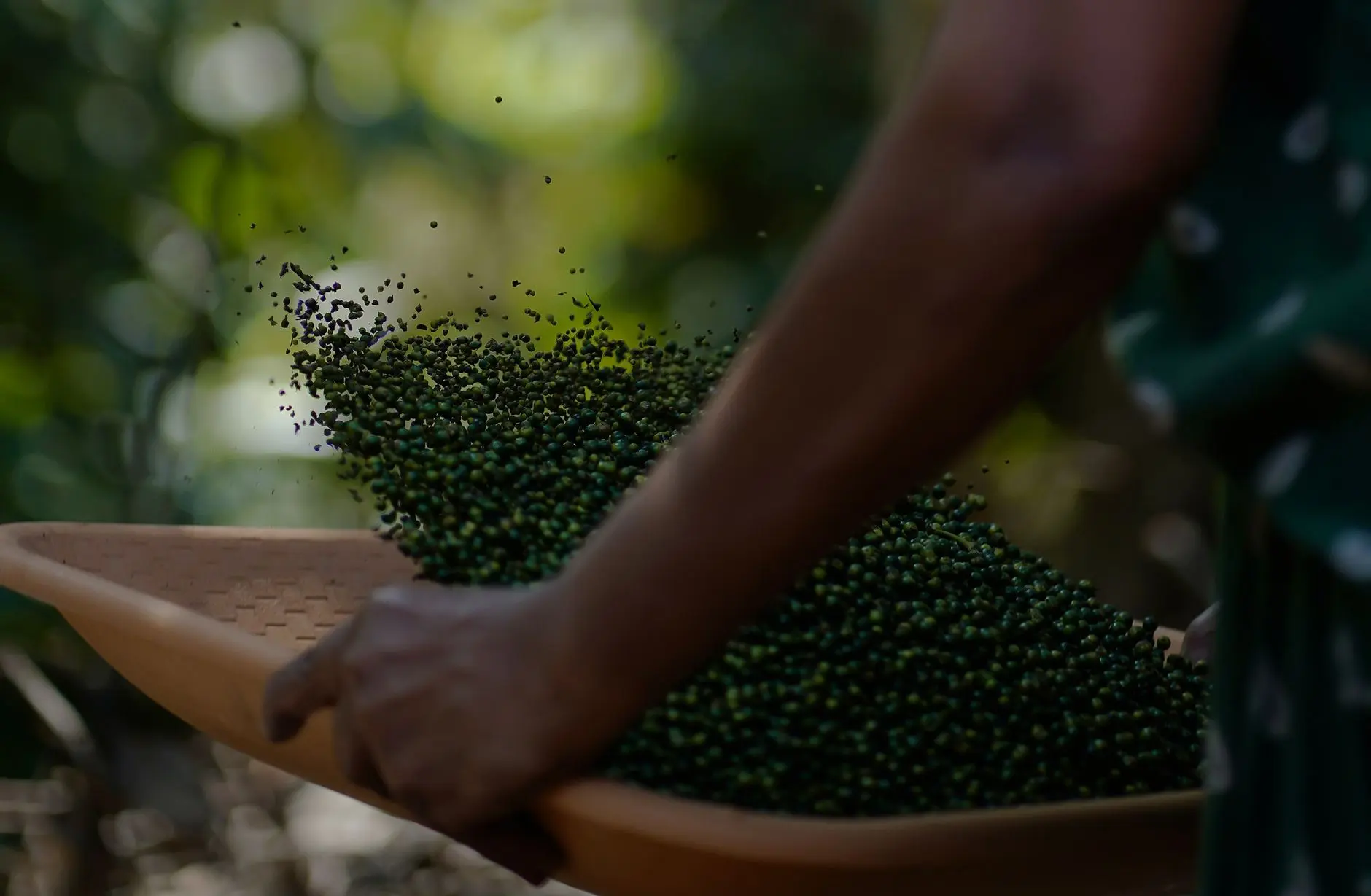
Black pepper (काली मिर्च) is the dried, unripe drupes of the vine Piper nigrum. It gives a biting, warm pungency and is used whole, freshly cracked or ground across Indian cooking.
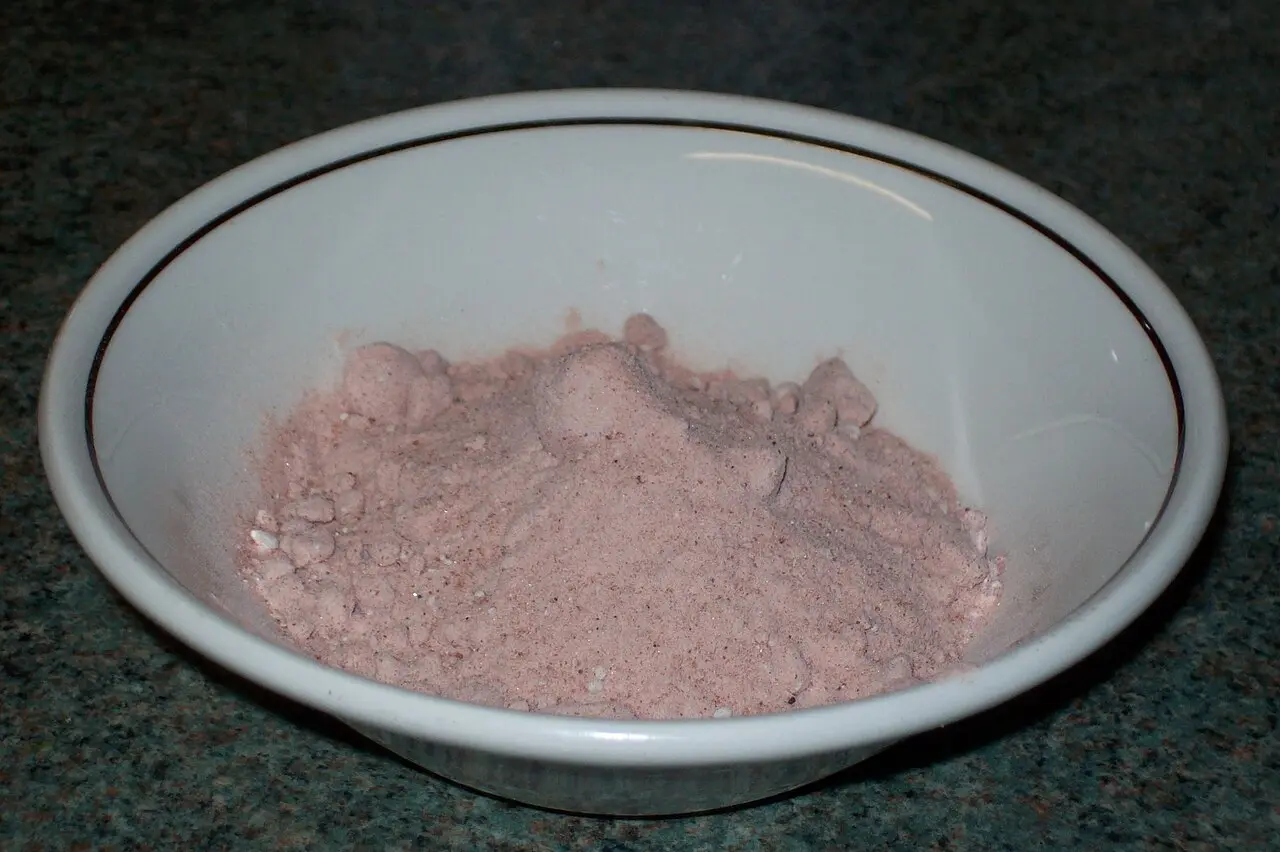
Kala namak is the sulfur-scented salt you finish chaats and cool summer drinks with. A pinch brings a tangy, savory edge to bhel puri, jaljeera, and raita.
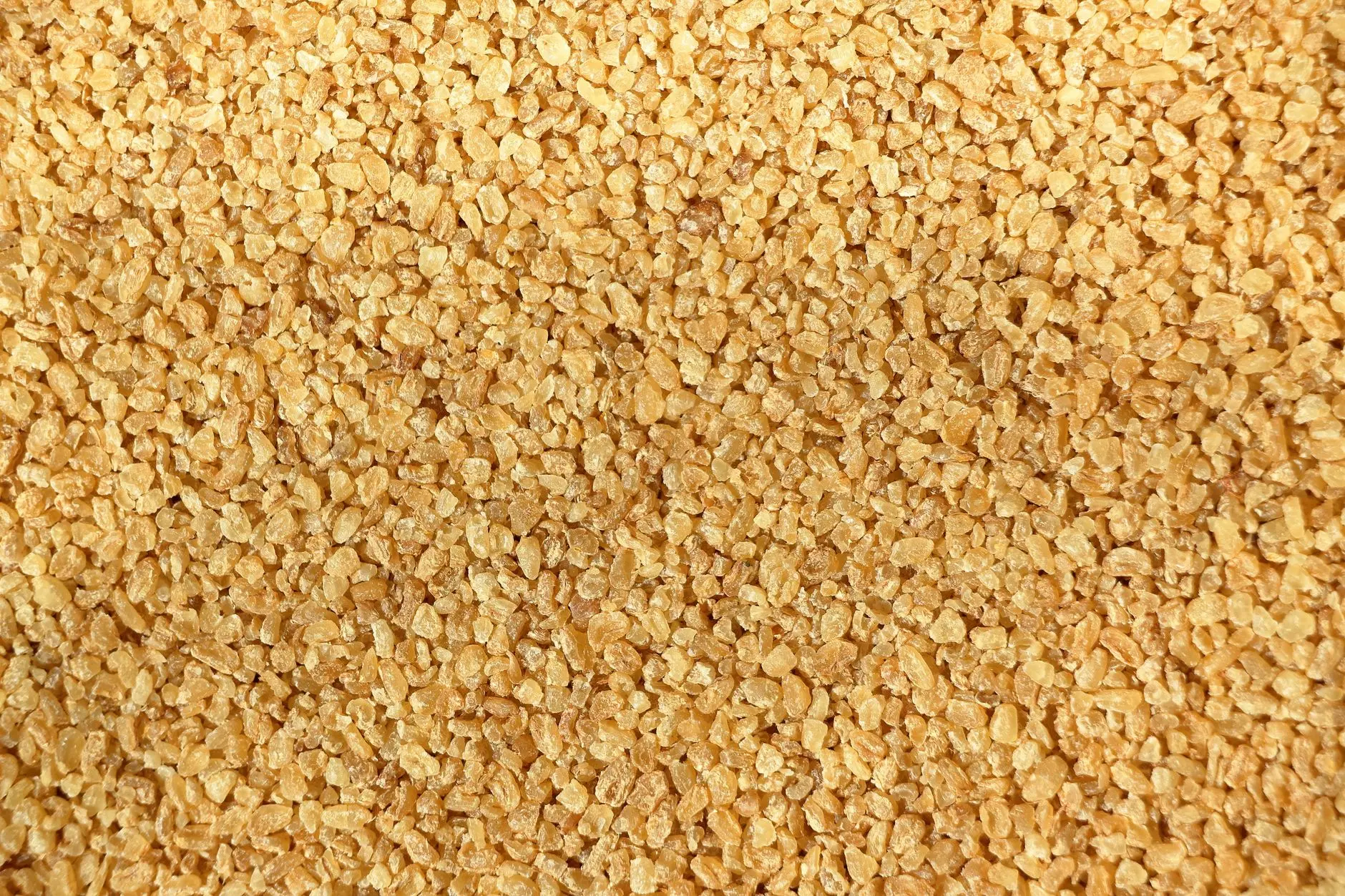
Broken wheat, or daliya, is whole raw wheat crushed into coarse pieces that keep the germ and bran. Nutty and earthy, it simmers to tenderness for dalia khichdi, lapsi, upma, and Kerala payasam.
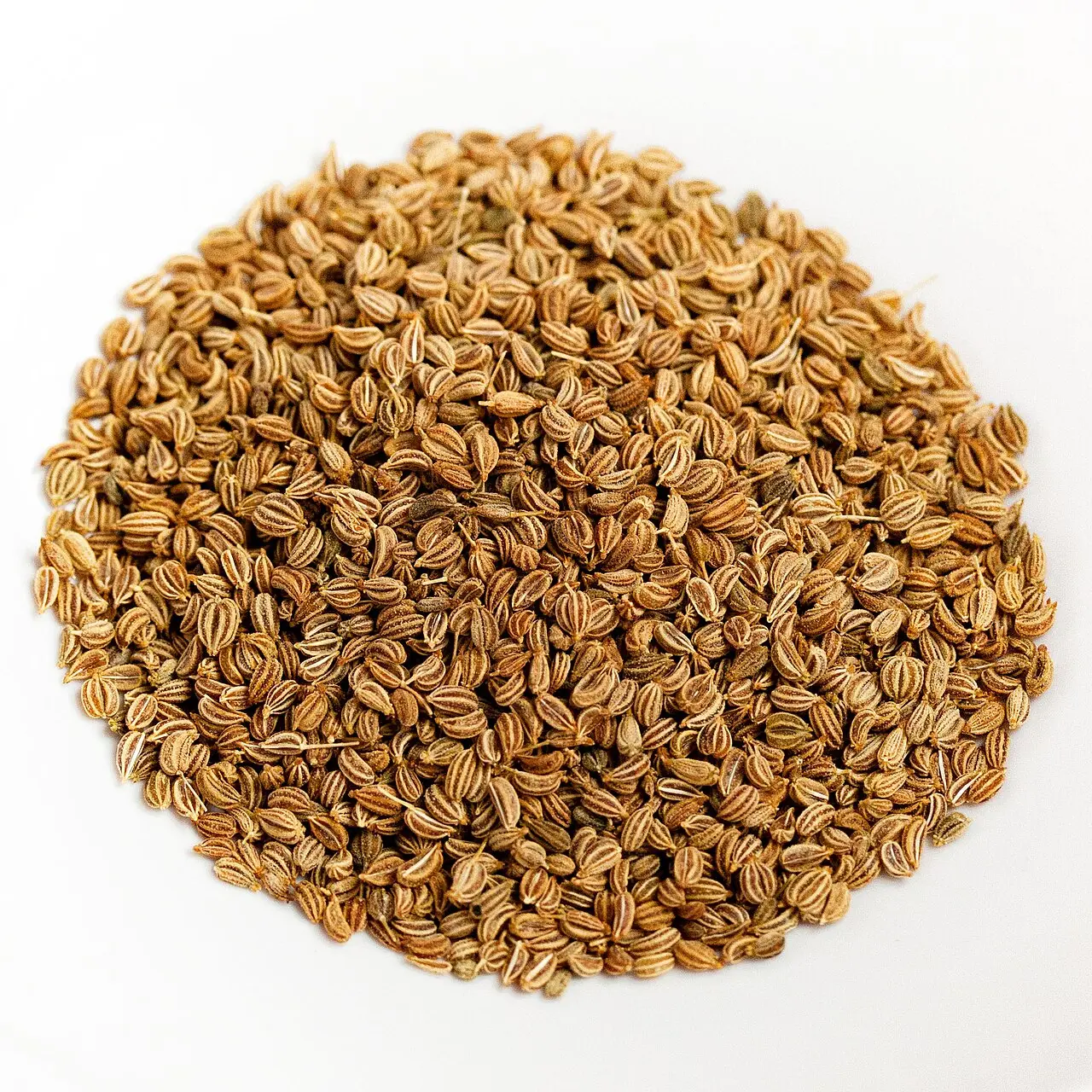
Ajwain, or carom seeds, bring a pungent, thyme-like punch that cuts rich doughs and pakora batters, and wakes up dal or sabzi when bloomed in hot ghee. Use whole, or dry-roast and grind for a mellower herbal finish.
Sprinkle चाट मसाला (Chaat masala) at the end for a sharp, chatpata kick: sour, savory, a little pungent. A fine powder that perks up chaats, fruit, and drinks.
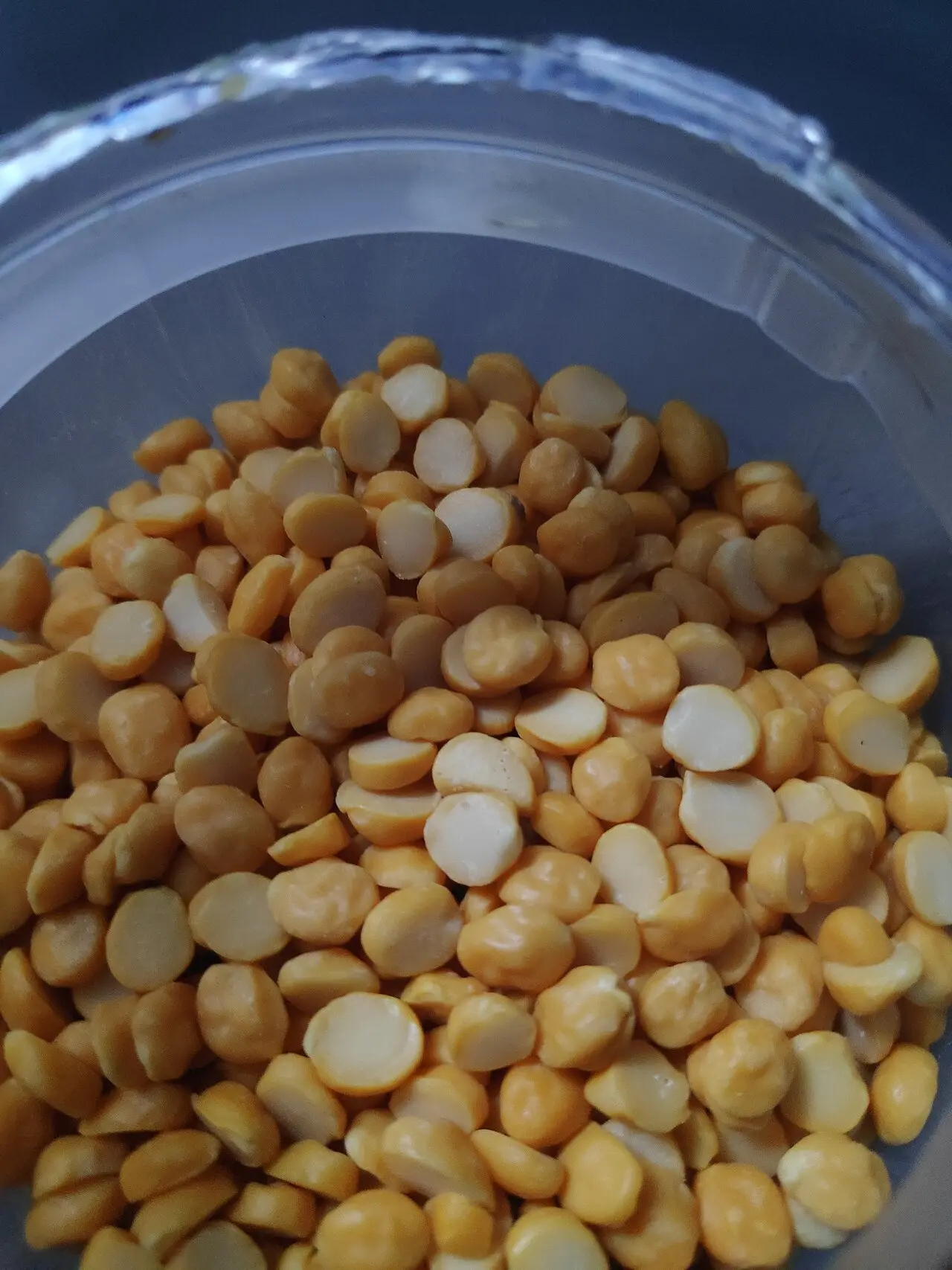
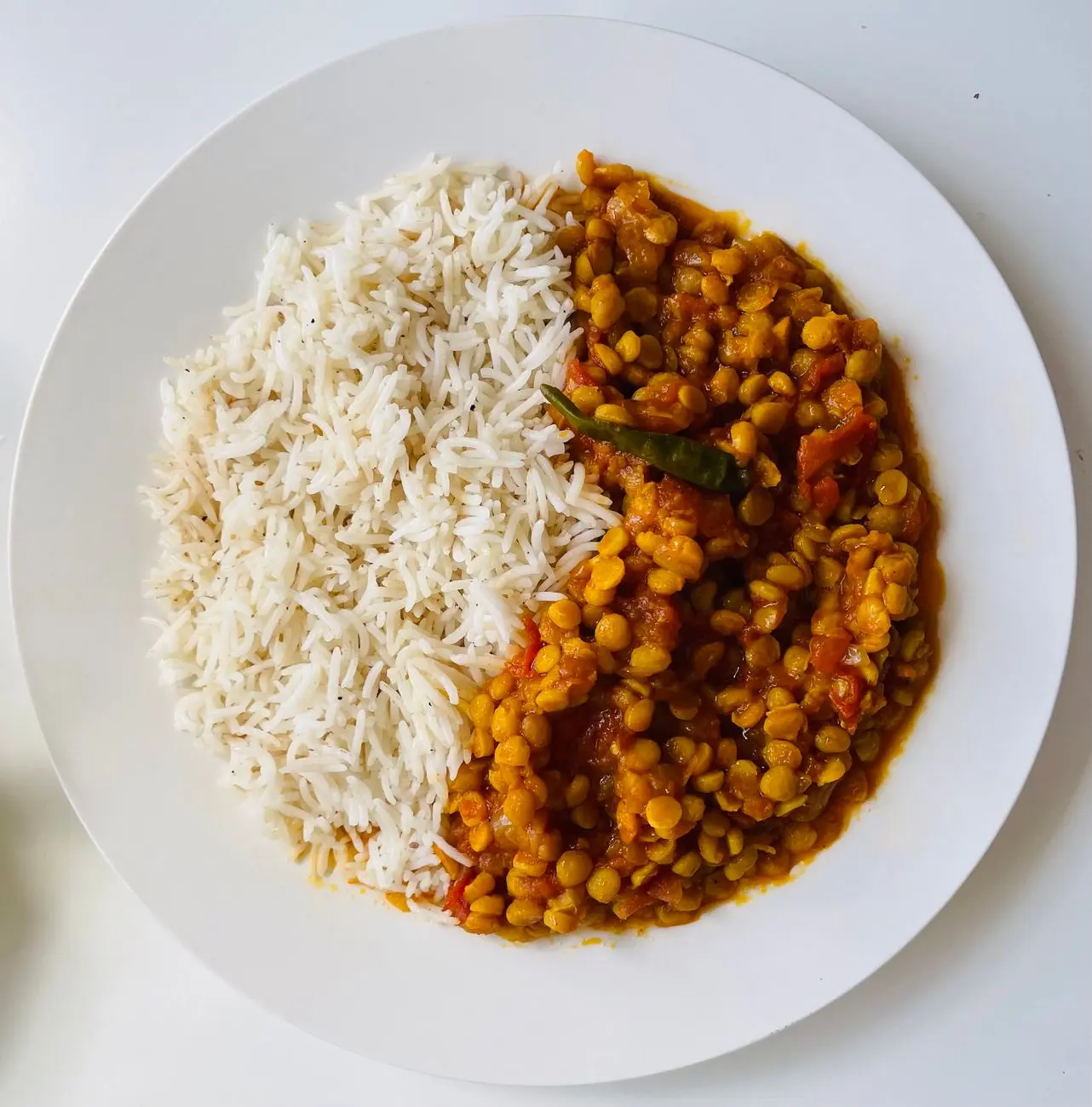
Split, dehusked Bengal gram that cooks to firm, creamy bites with a nutty, mildly sweet taste. Use chana dal for tadka crunch, hearty curries, and sweets like puran or payasam.
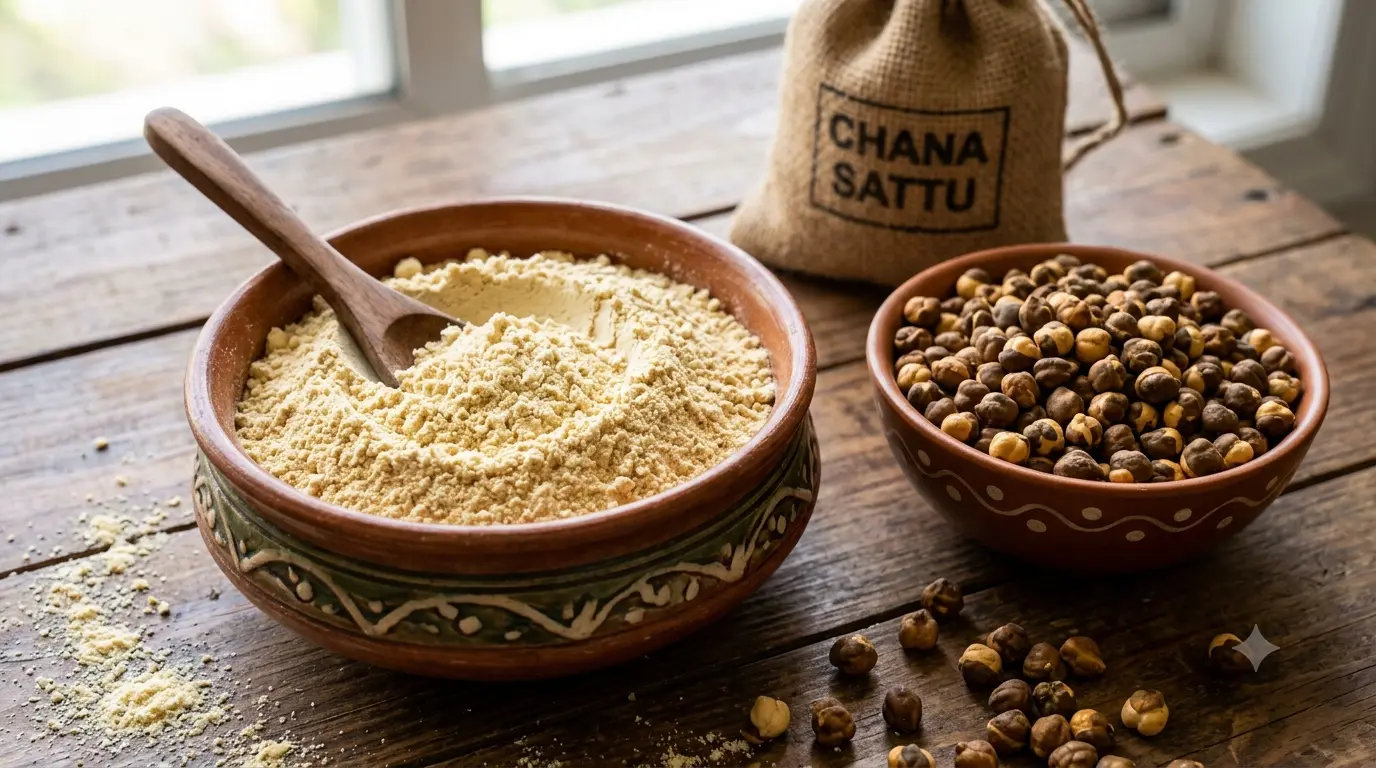
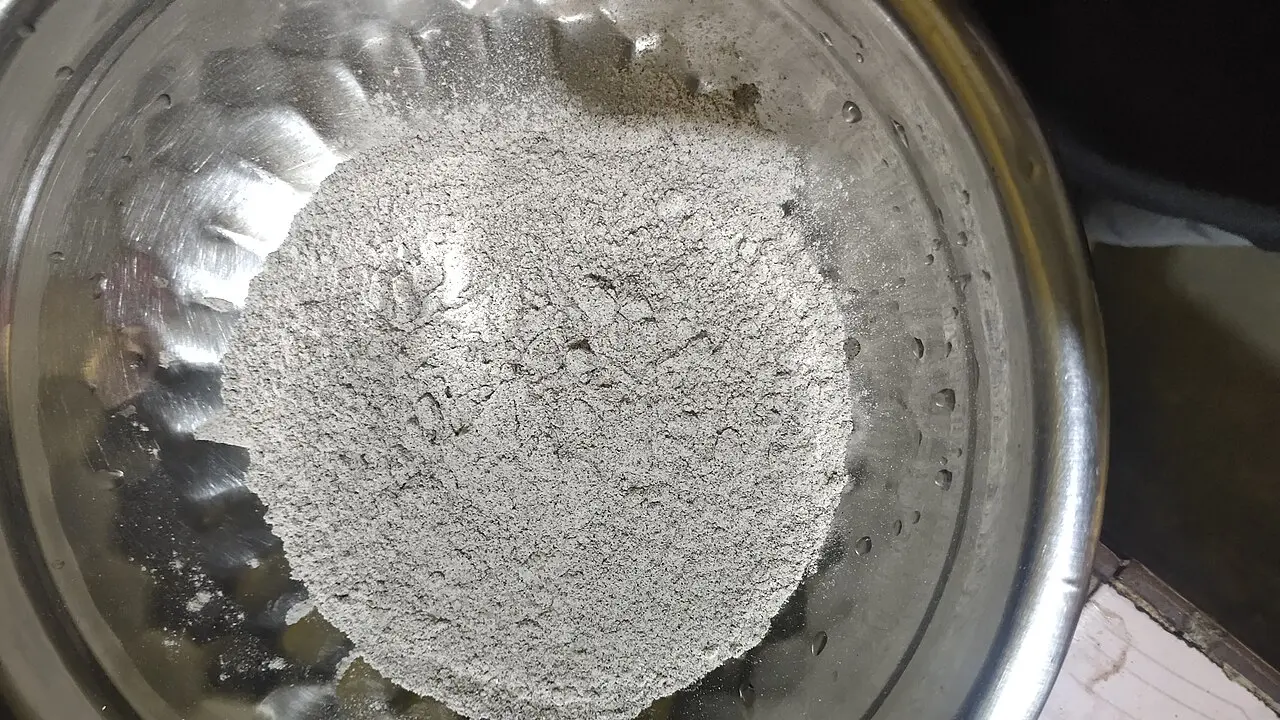
Sattu (सत्तू) is a ready-to-eat roasted gram flour with a nutty, earthy taste. Stir it into cold water for sattu sharbat or pack it into spiced fillings for litti and parathe.
Chole masala (छोले मसाला) is a North Indian spice powder for chickpea curries, tangy-warm with earthy, savory depth. Add it during cooking, in the onion-tomato masala or while simmering the chickpeas.
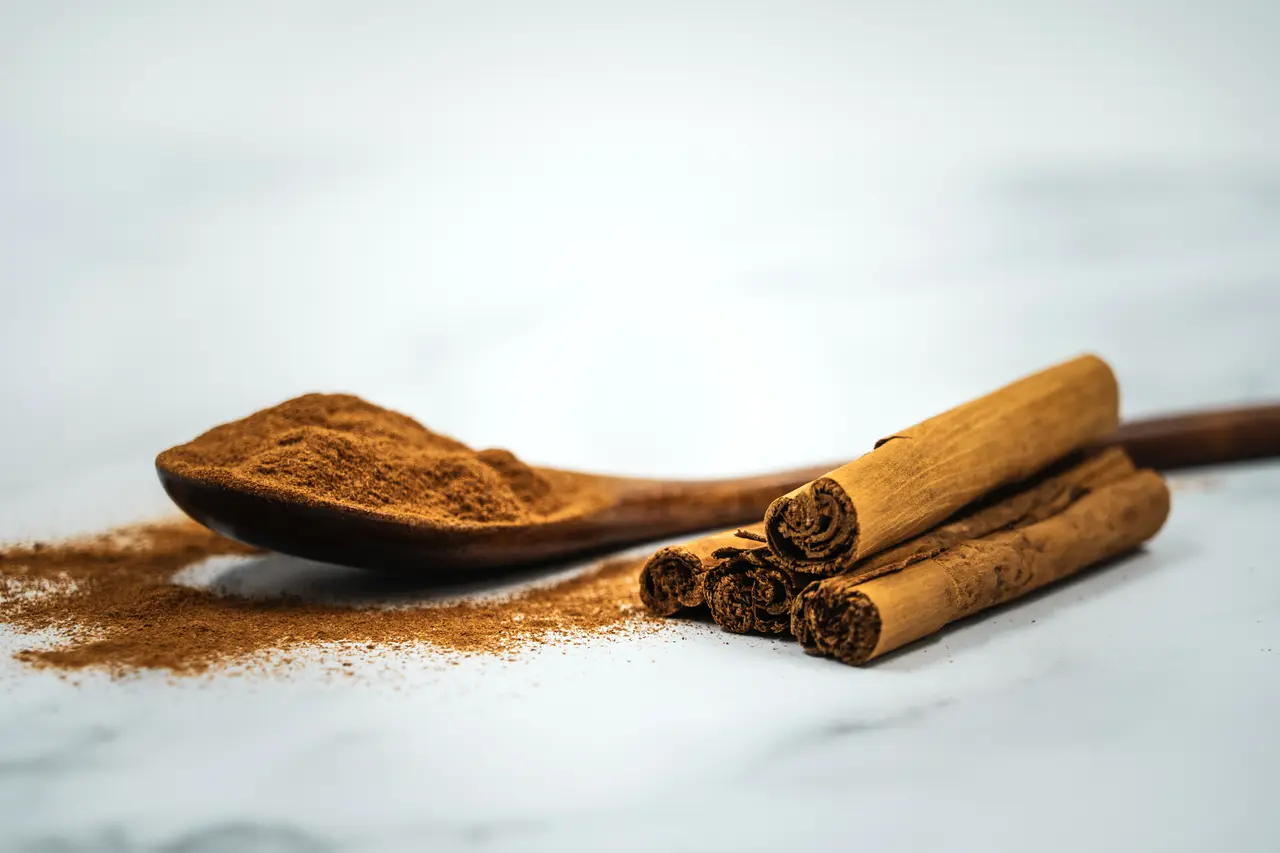
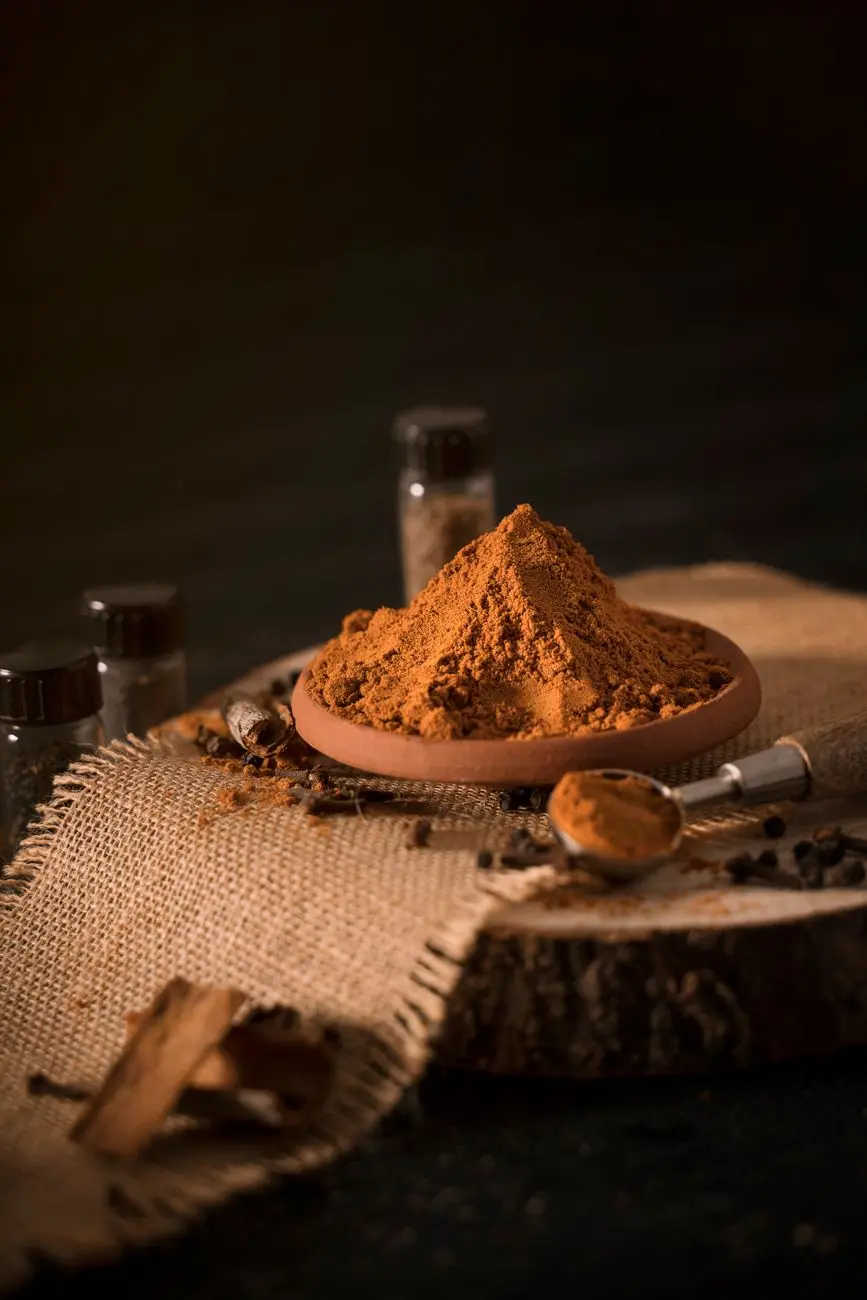
Cinnamon (दालचीनी) is the dried inner bark of Cinnamomum trees, sold as rolled quills, powder and oil; it gives a warm, sweet, aromatic note to biryani, chai and sweets.
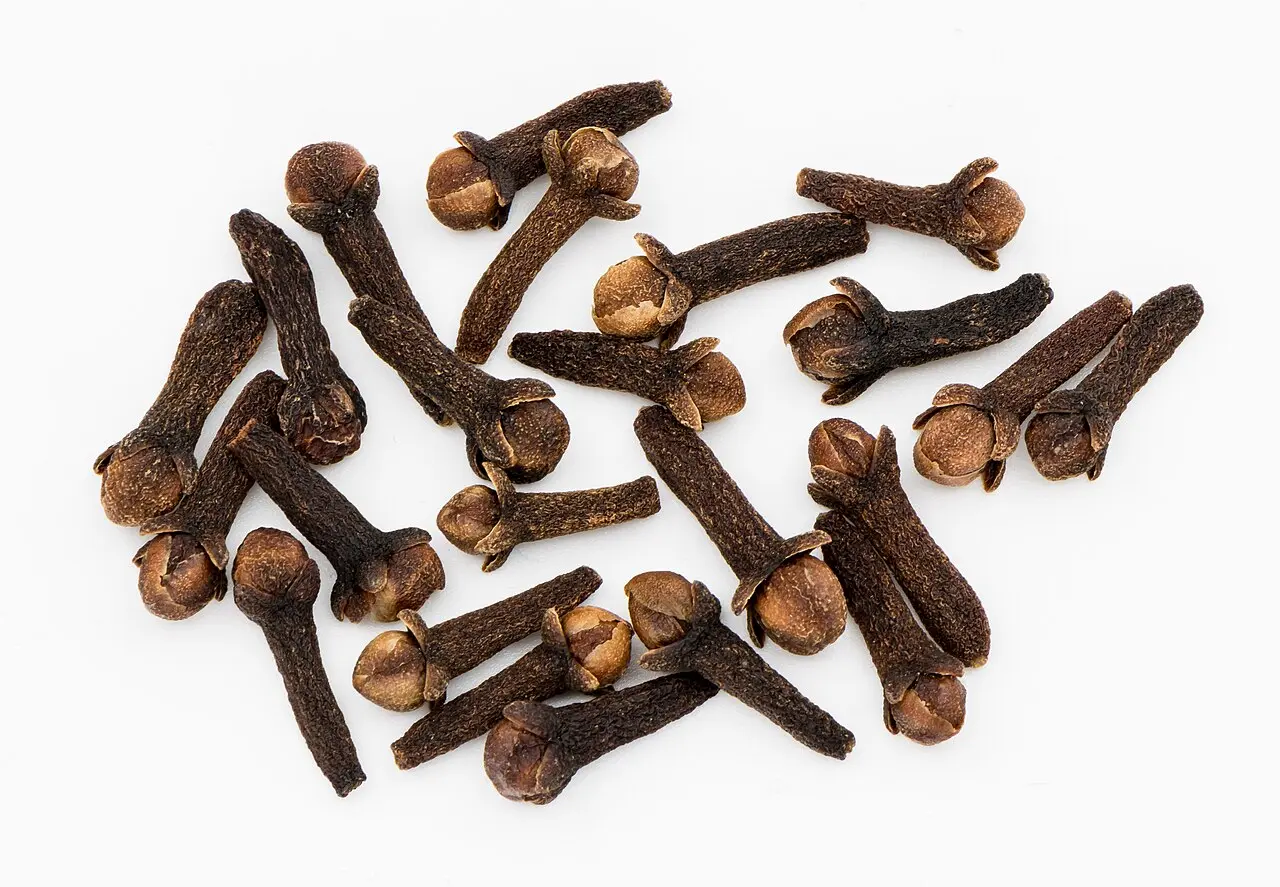
For biryani or pulao, fry whole laung in hot ghee at the start; for chai, simmer it. Clove is the dried flower bud of Syzygium aromaticum, with a warm, pungent aroma.
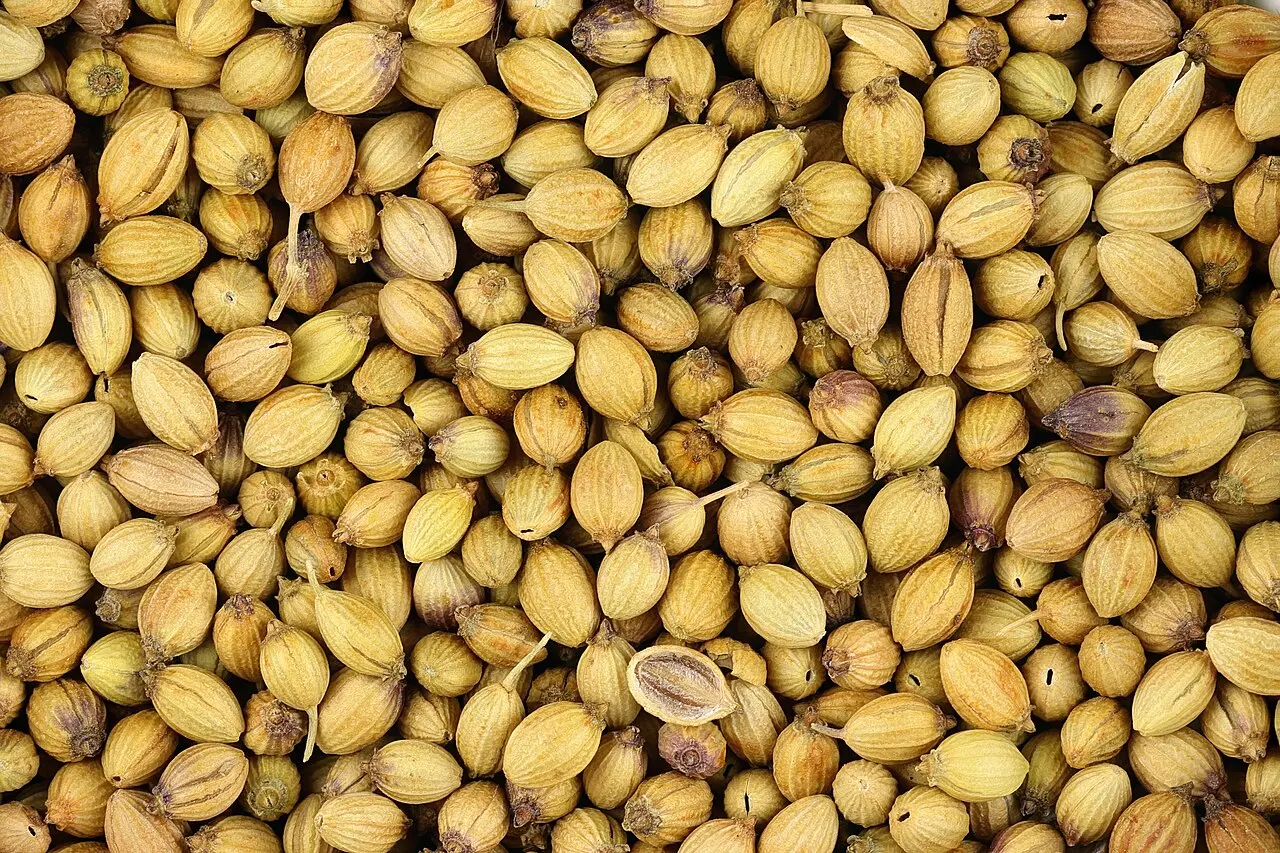
Coriander seeds (धनिया बीज) are the dried fruits of the herb Coriandrum sativum. You use them whole for tadka or as ground coriander powder in everyday Indian curries and spice blends.
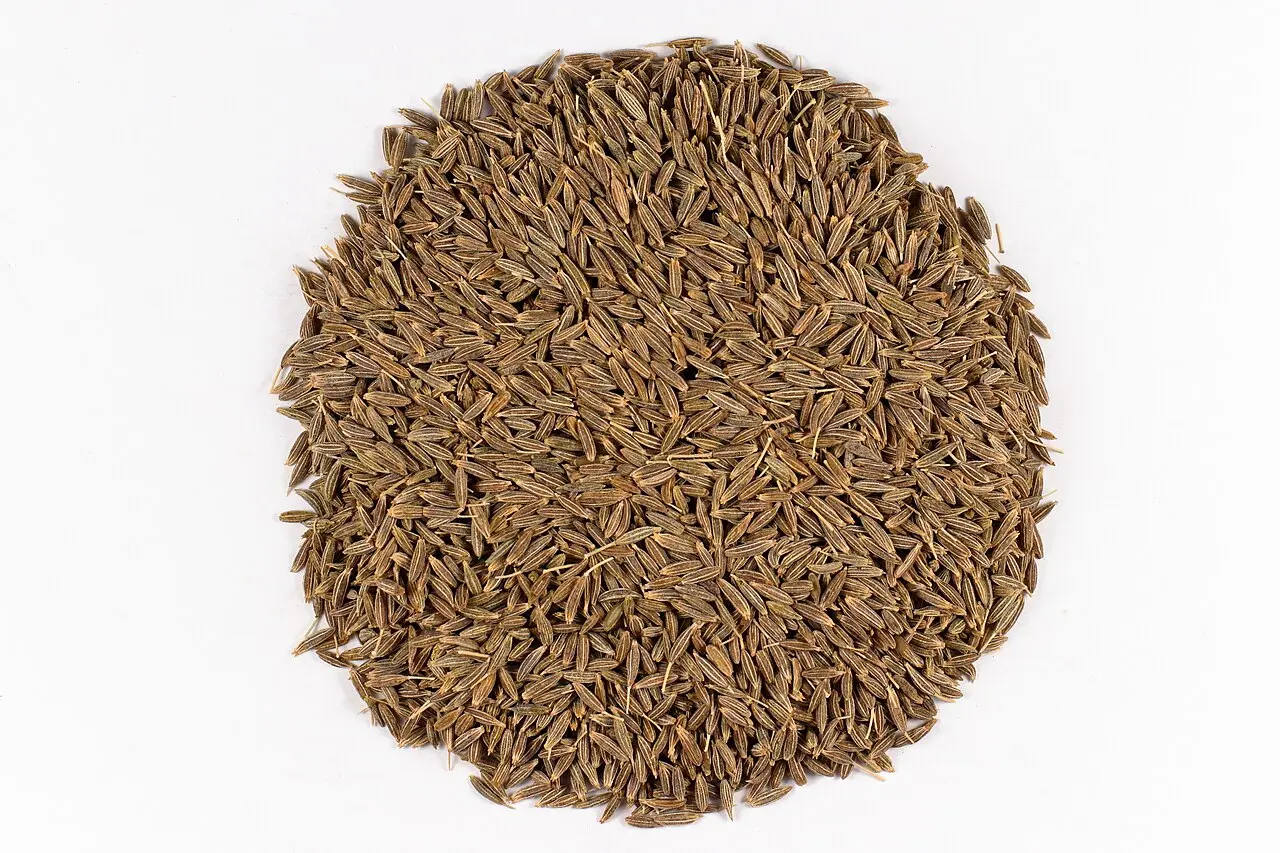
Cumin seeds — jeera (जीरा) — are the dried seeds of Cuminum cyminum used whole for tadka and ground for spice mixes; you’ll see them popped in ghee for jeera rice or blended into gravies.
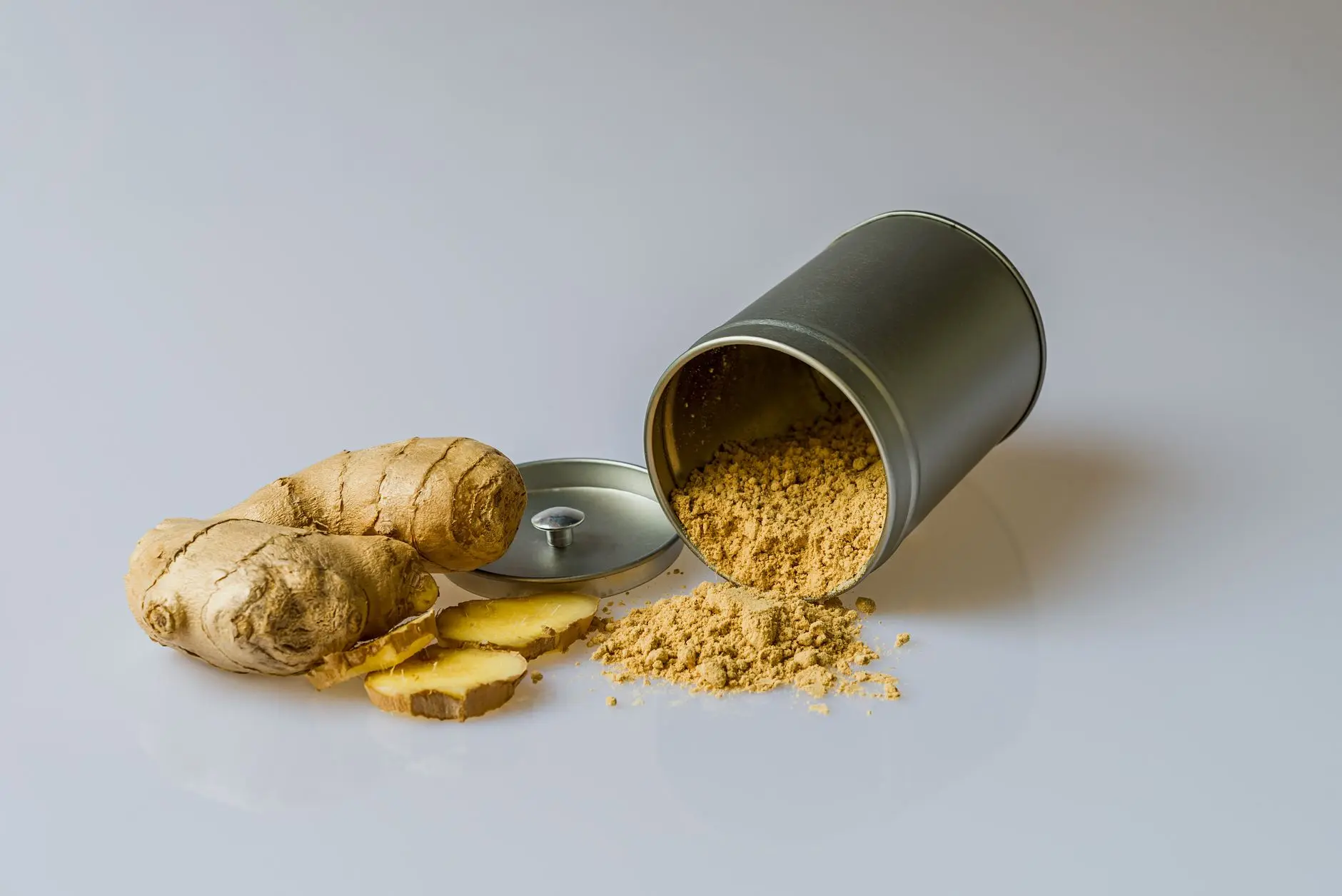
Saunth is dry ginger powder made from peeled, sun-dried rhizomes, ground fine for quick use. Warm, sharp, and pungent, it powers Dum Aloo, Rogan Josh, chukku kaapi, and even gond ke laddu.
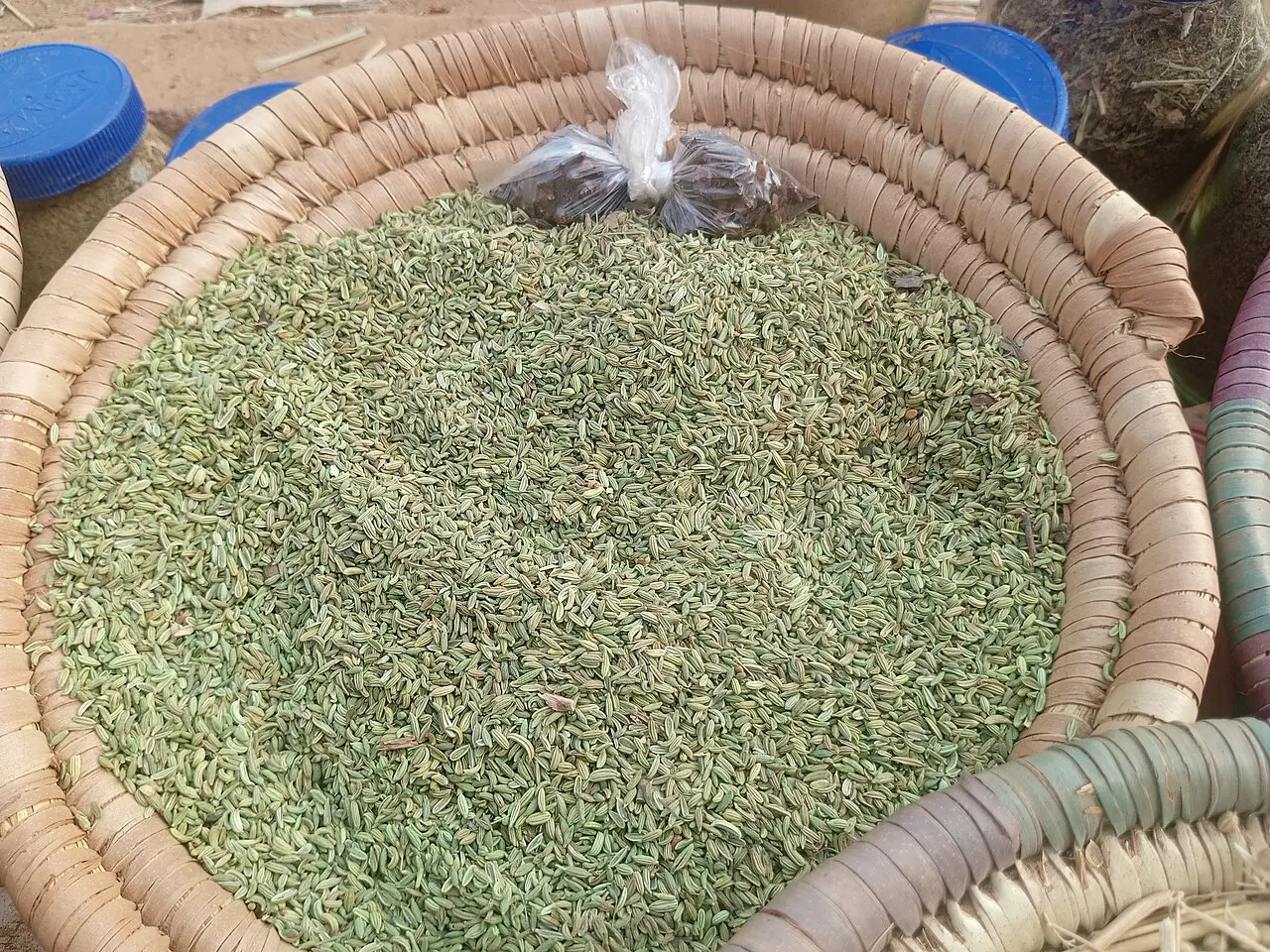
Sweet, aromatic fennel seeds (saunf) you bloom in tadka, grind for Kashmiri gravies, and chew after meals; gentle licorice notes that refresh a dish and your palate.
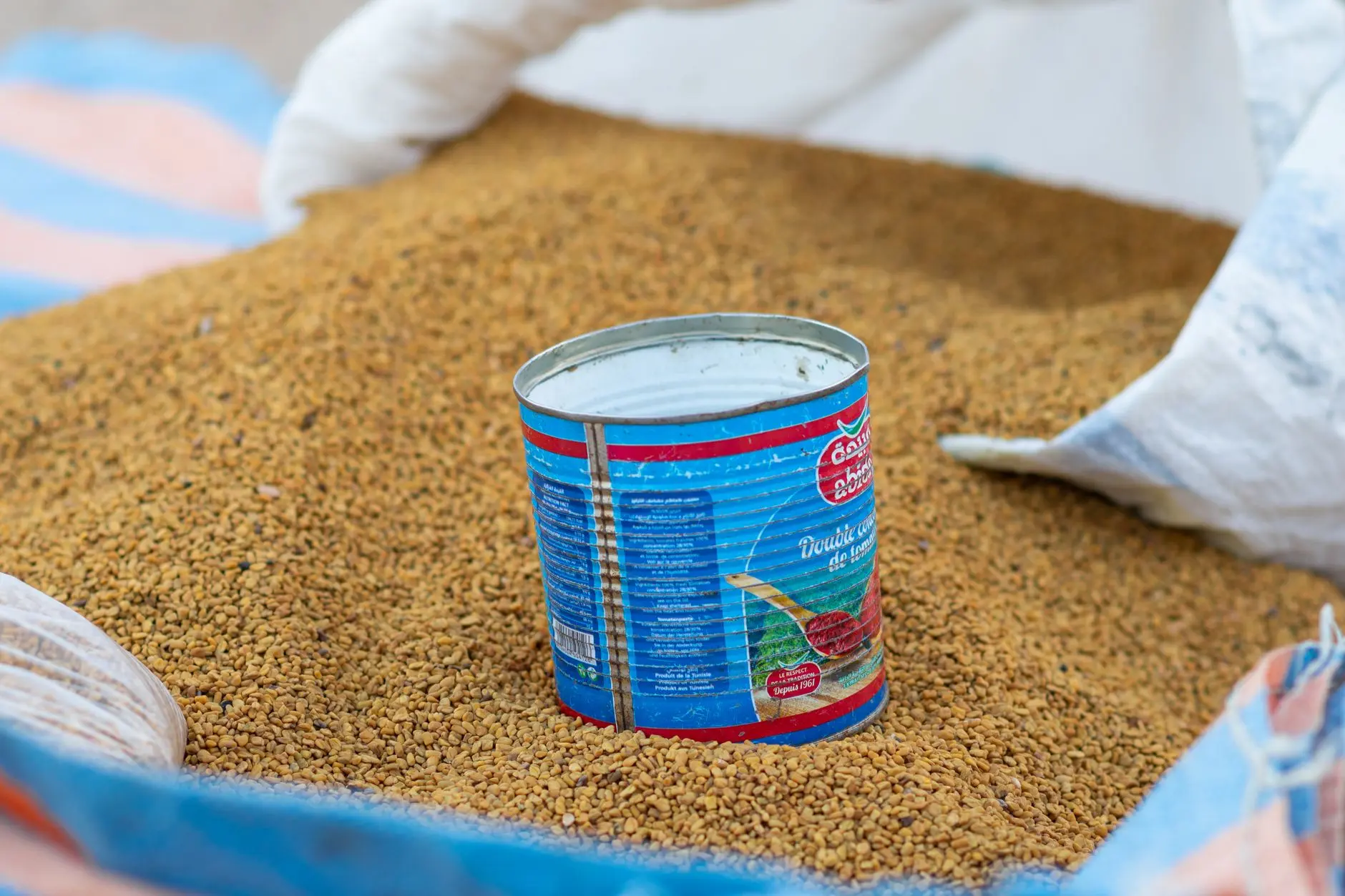
Bitter at first, fenugreek seeds (मेथी दाना) turn warm and nutty when lightly roasted. Use them whole in tadka, pickles, and Panch Phoron, or ground in sambar powder and rasam powder.
Ragi, the small grain of Eleusine coracana, cooks as whole grain, flour, or flakes. Earthy raw, pleasantly nutty when roasted; think ragi mudde, koozh/ambali, mandua ki roti, and quick halwa or laddus.
Your finishing spice for rich curries and pulao: a roasted blend of black pepper, cloves, cinnamon or cassia, cardamom, cumin, coriander, and nutmeg or mace. Sprinkle at the end, or temper whole khada garam masala for a deep base.
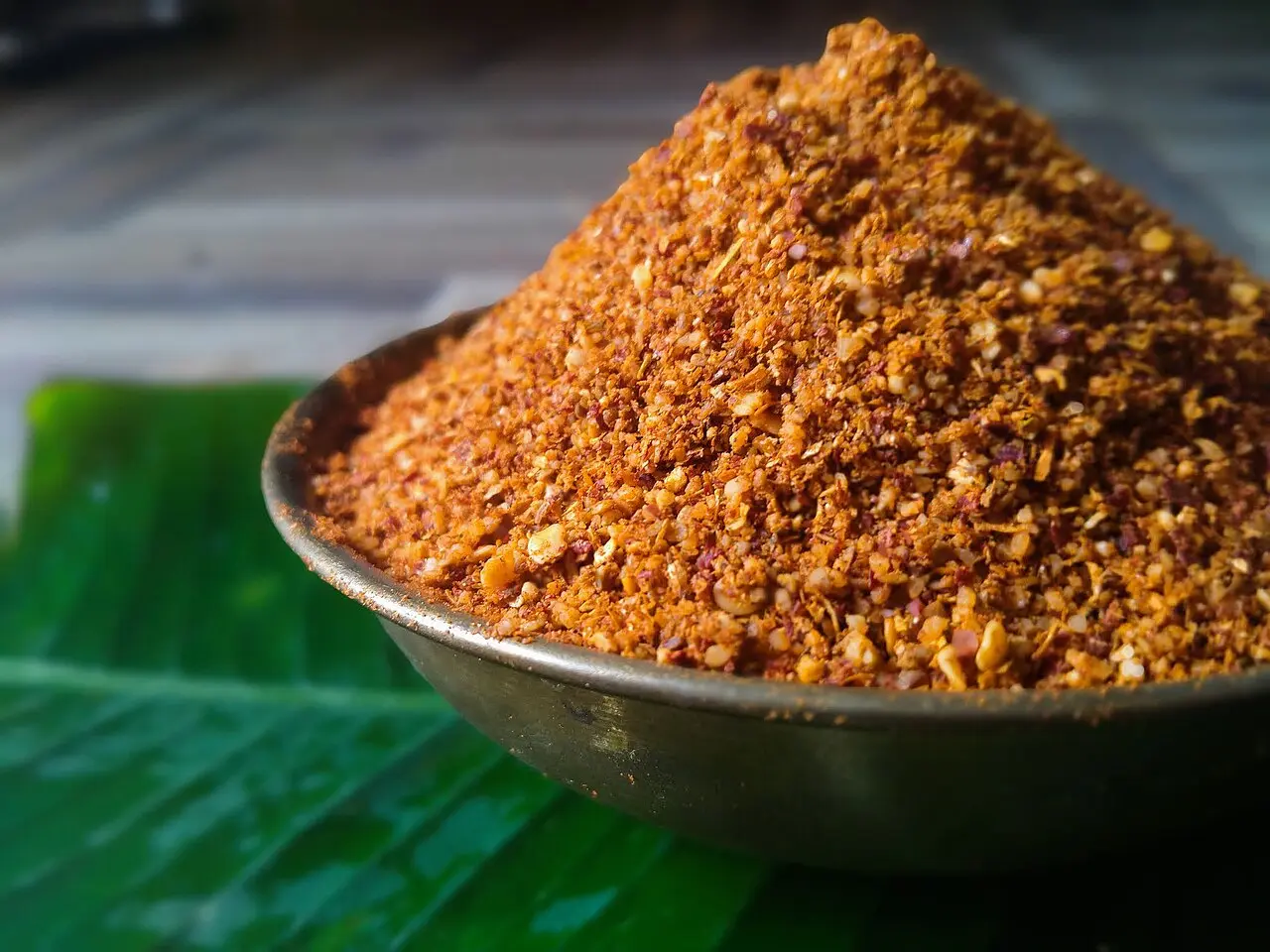
Maharashtra’s goda masala is a dark, slow-roasted blend with sesame, dried coconut and dagad phool. Add during cooking or finish with a small pinch for warm, nutty, earthy aroma in amti, masale bhat, bharli vangi and matki usal.
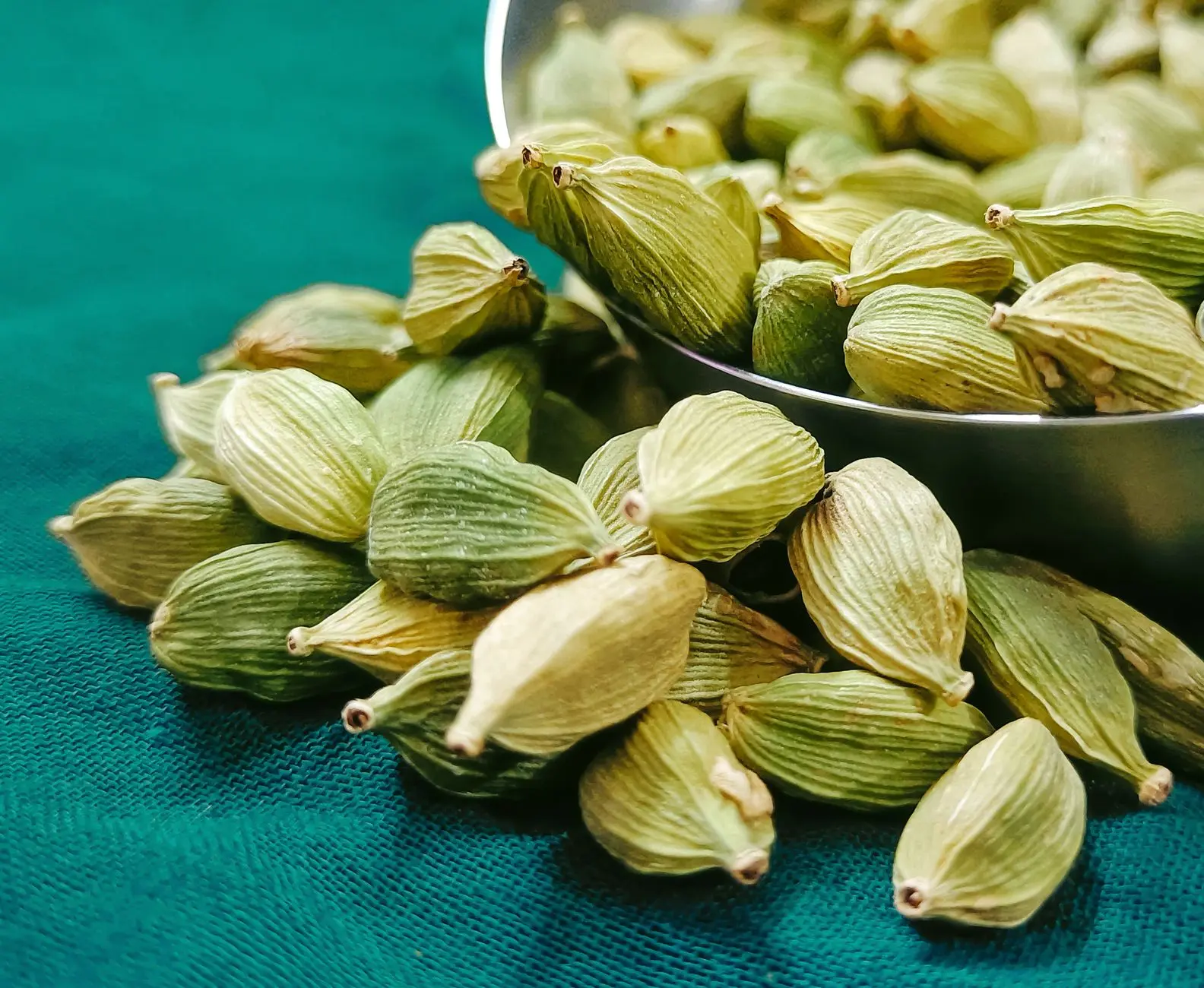
Whole pods of green cardamom, chhoti elaichi, go in early for tadka or chai; powder goes in at the end for kheer and halwa. Choose plump, pale olive-green pods with sticky, fragrant seeds.
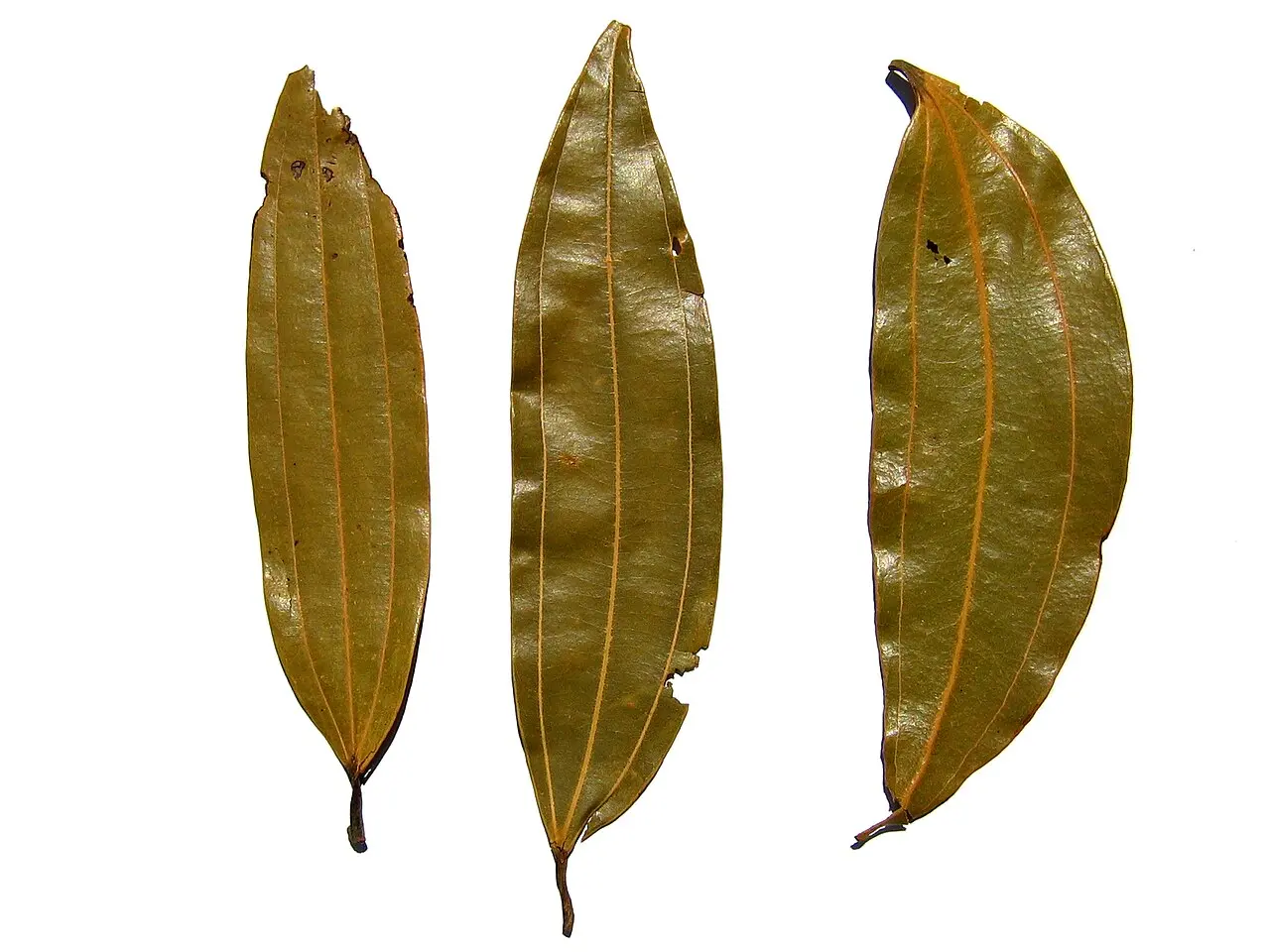
Indian bay leaf (तेज पत्ता) is the dried aromatic foliage of Cinnamomum tamala, sold and used whole. It gives slow-cooked curries and rice a warm, sweet, cinnamon- and clove-like aroma.
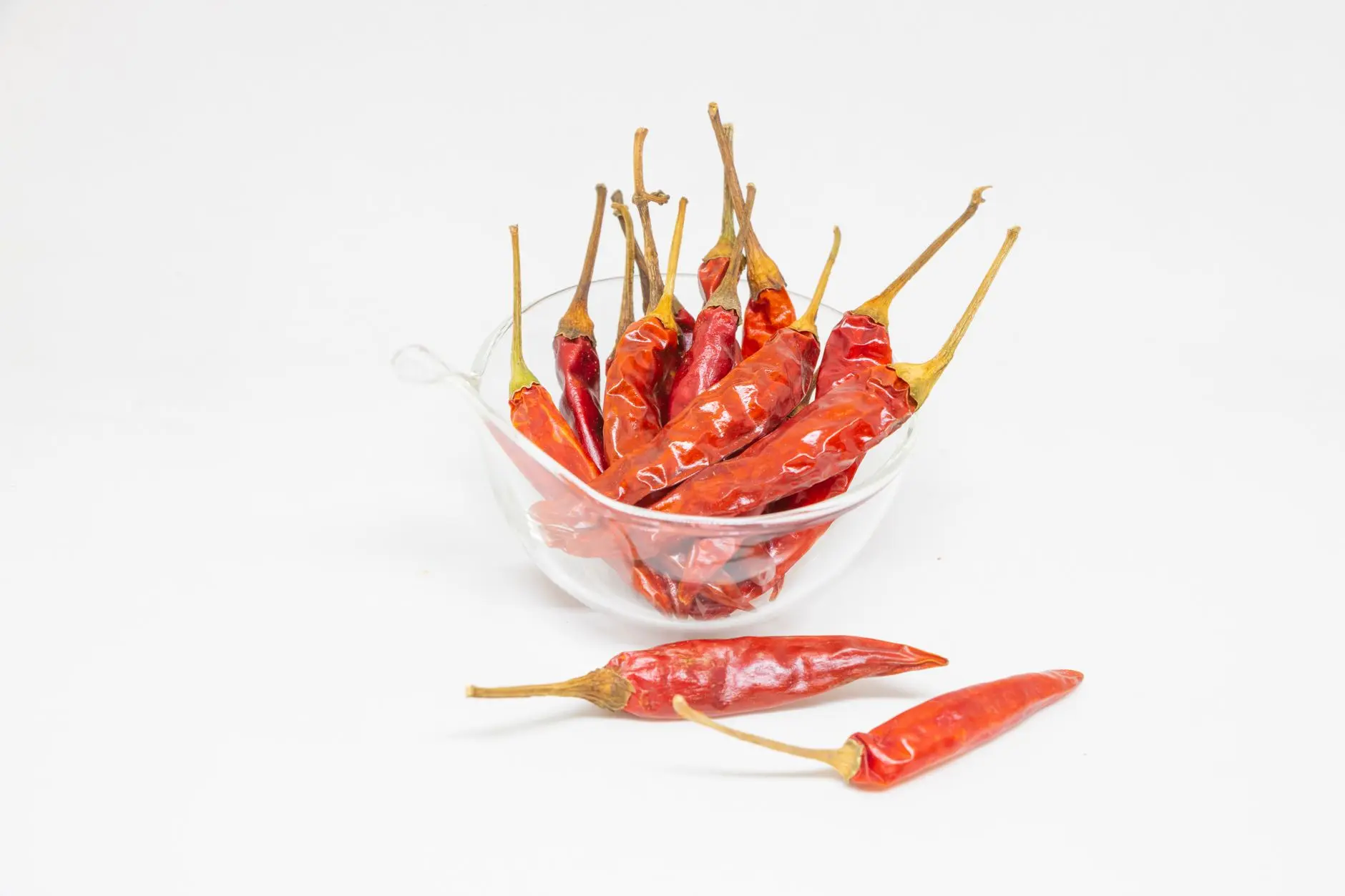
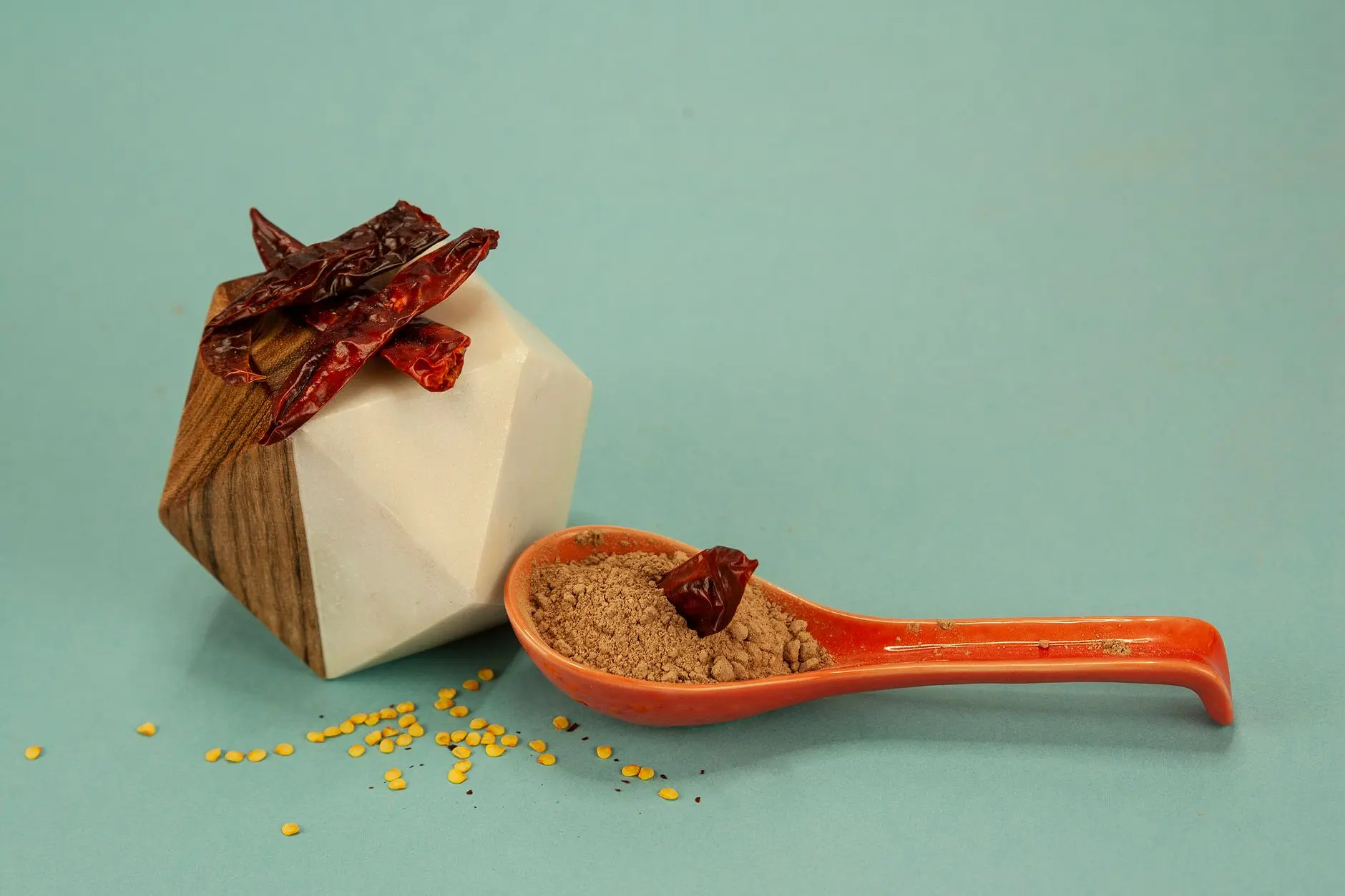
Kashmiri red chilli (कश्मीरी लाल मिर्च) is the dried ripe pod of Capsicum annuum prized for its deep red colour and mild heat; available as whole dried pods, bright crimson powder or a rehydrated paste.
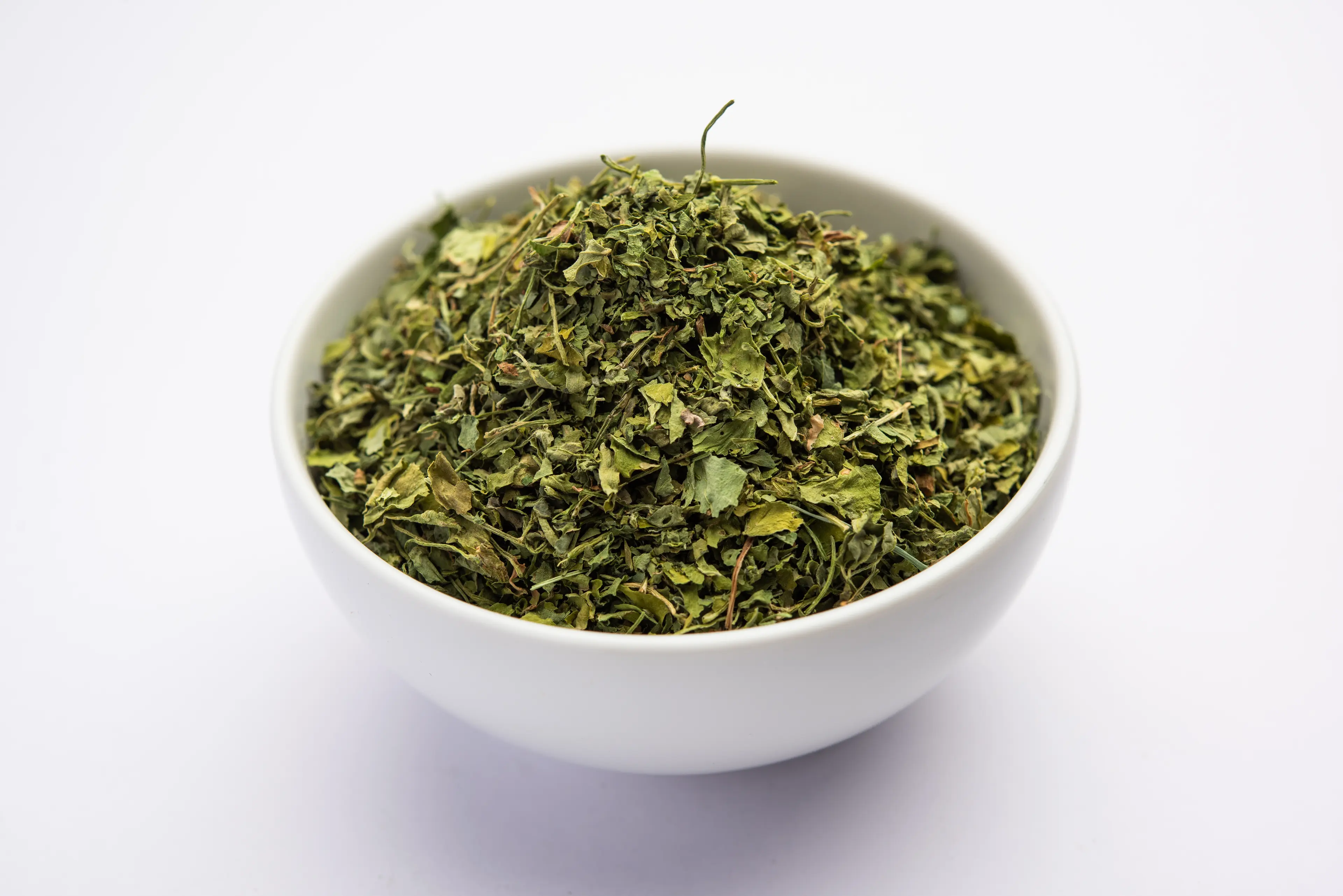
Kasuri methi are sun-dried fenugreek leaves with an earthy, gently bitter aroma that rounds off rich gravies. Sprinkle at the end, or knead into dough for methi parathas and theplas.
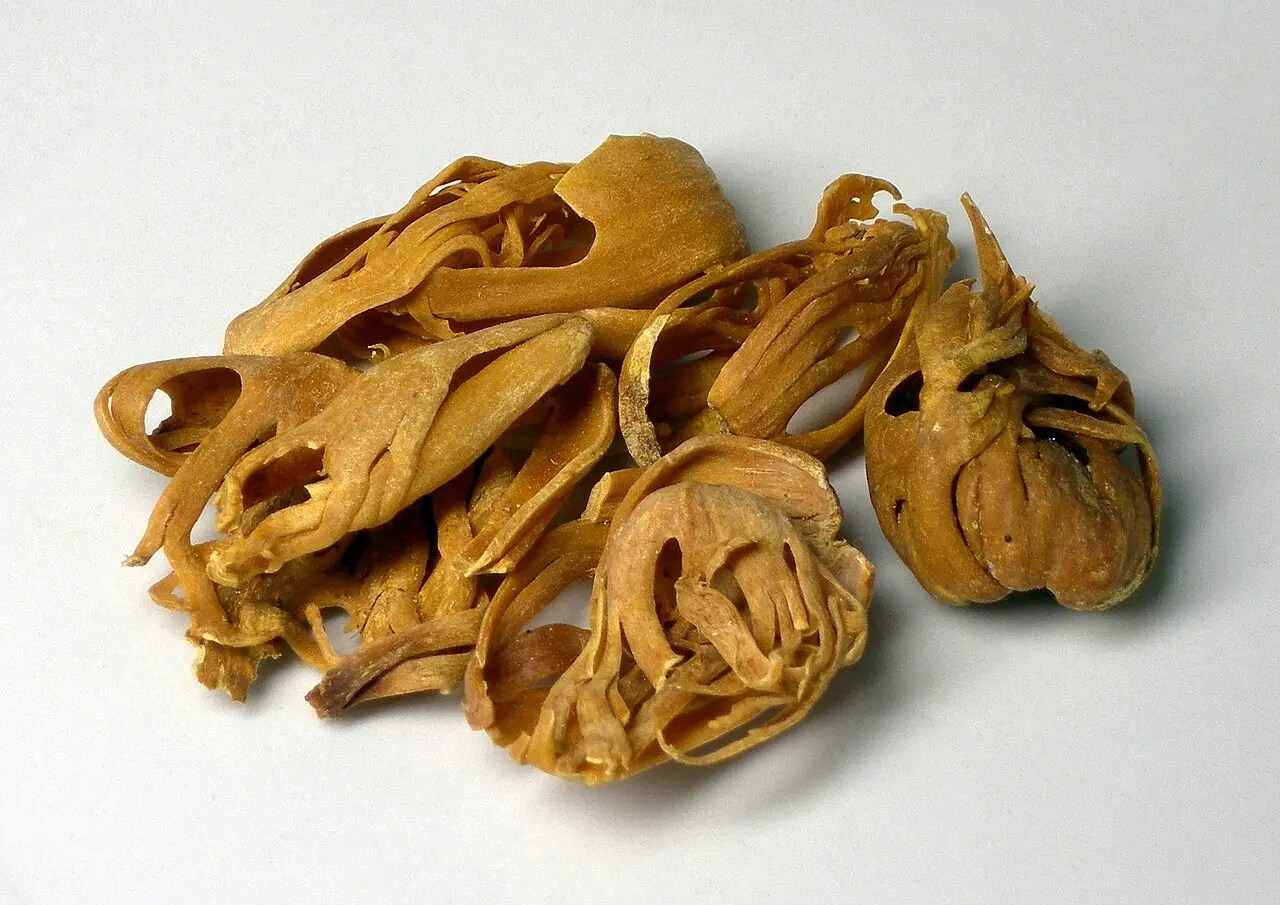
Javitri, the dried lacy aril of nutmeg, brings a warm, aromatic lift. Add a blade to tadka or biryani, or use the reddish-orange powder in kebab marinades and finishing garam masala.
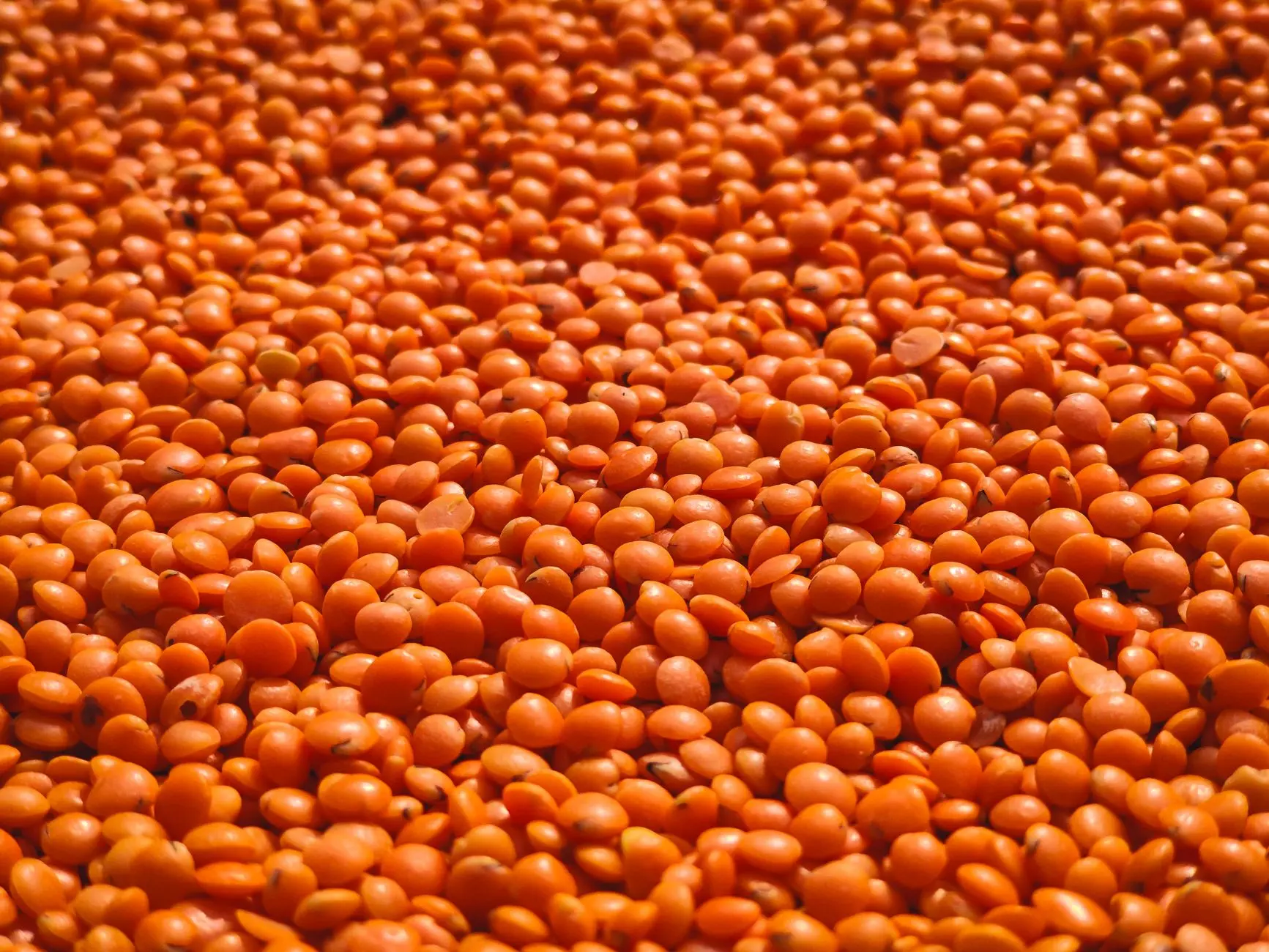
Masoor dal is the split, dehusked lentil that turns tender fast with a gentle earthy, lightly nutty taste. It takes tadka of garlic, cumin and dried chillies beautifully.
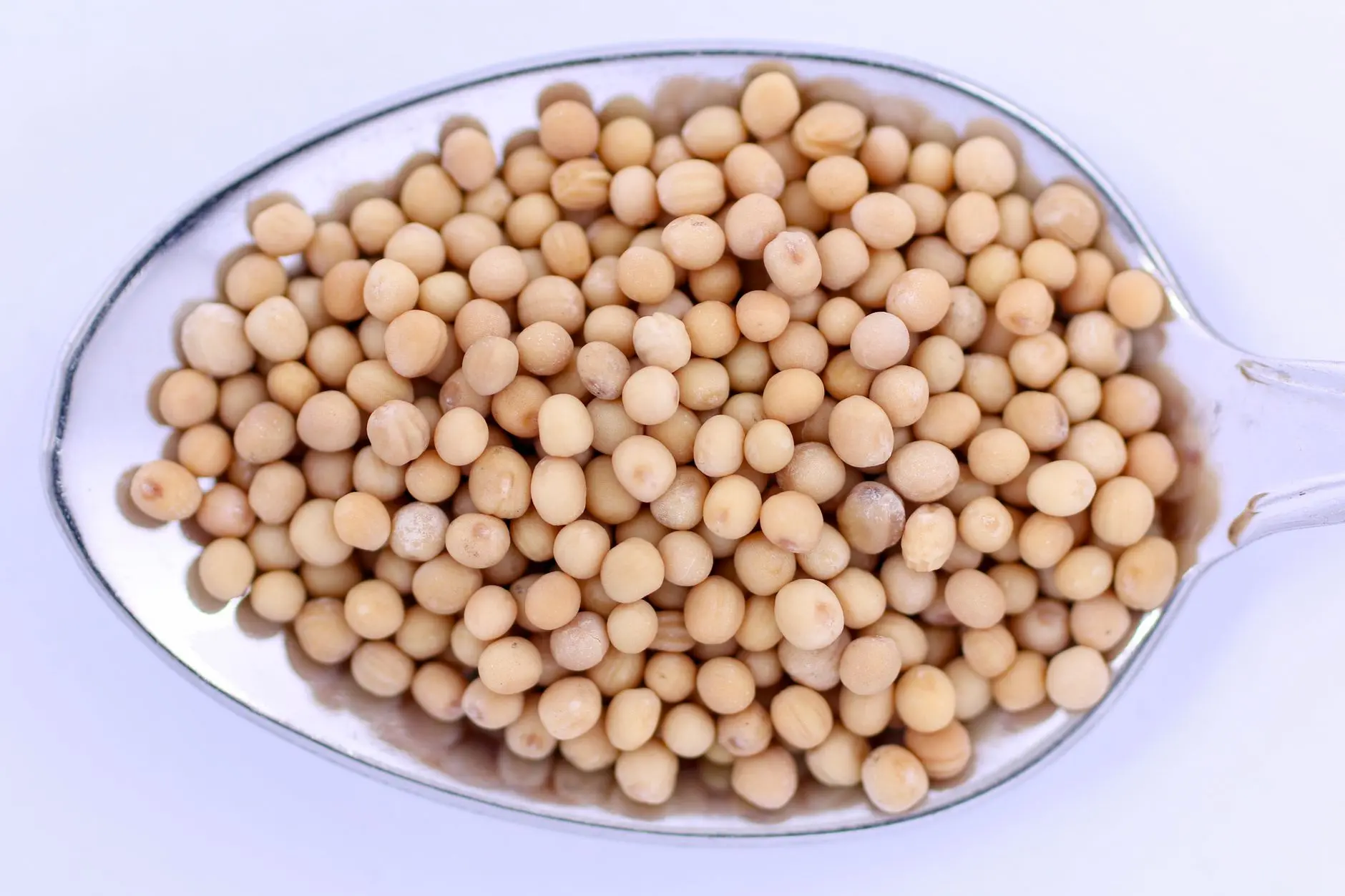
Pop rai in hot oil for a nutty tadka, or grind mustard seeds into a sharp paste for gravies. Essential in South Indian tempering and Bengali Shorshe Ilish.
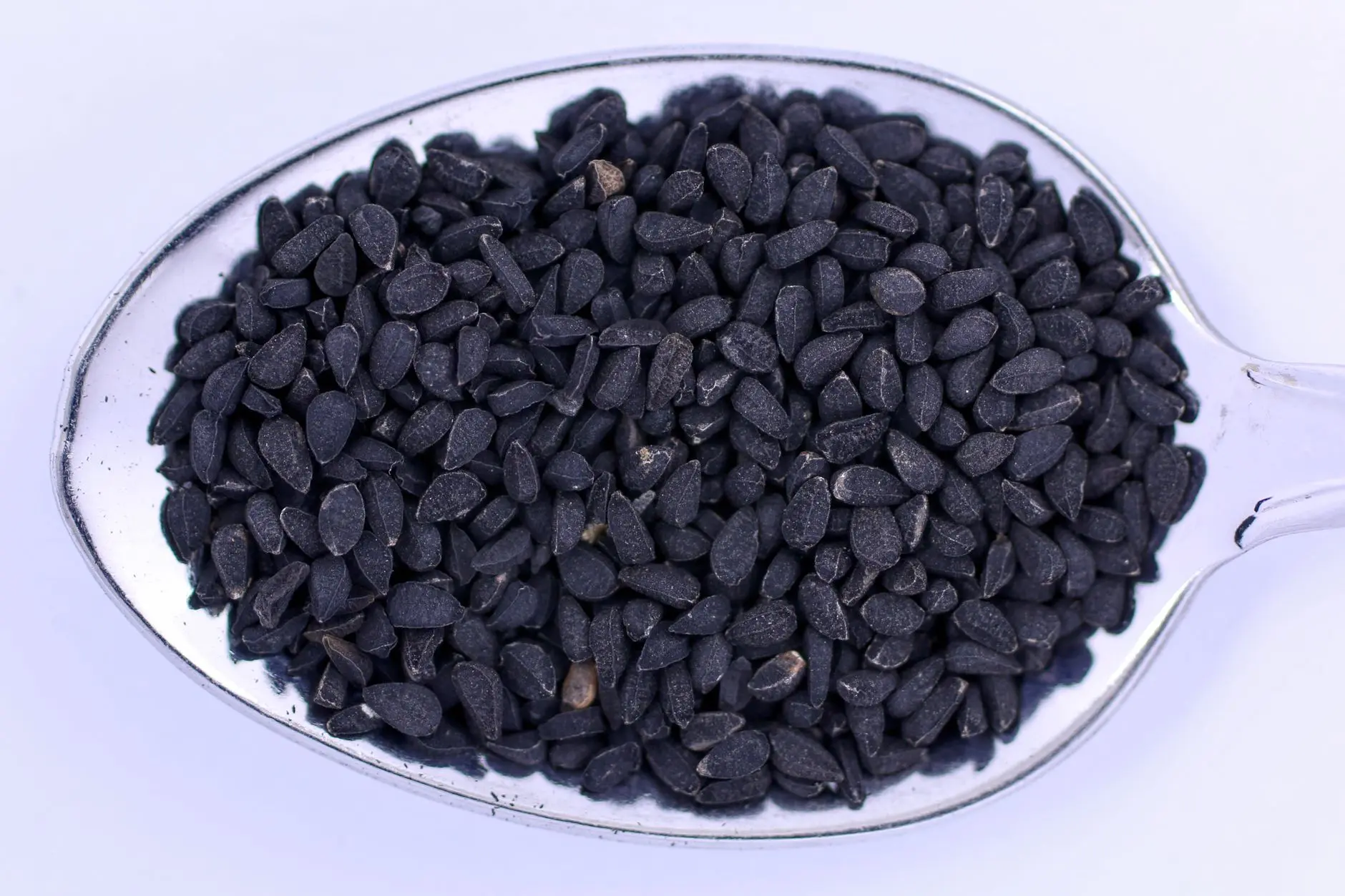
Small, matte-black seeds from Nigella sativa, called kalonji. Use them whole for tadka, doughs, flatbreads, pickles, and panch phoron; toasting softens their raw bitterness into a warm, oregano-pepper aroma.
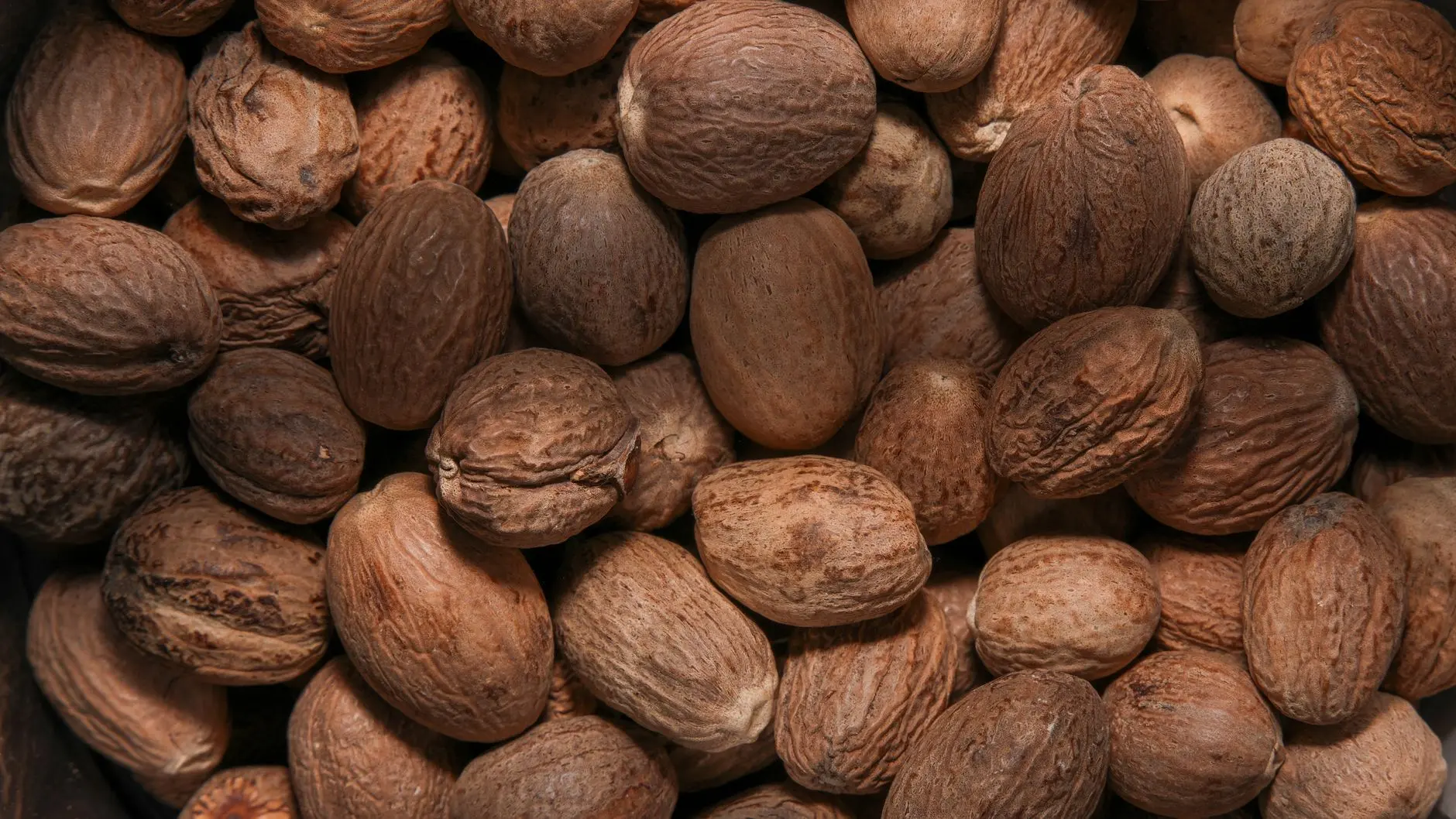
Jaiphal is a warm, sweet-aromatic spice that you grate over a dish at the end or mix into sweets and batters. Whole or ground, it adds a nutty, woody depth.
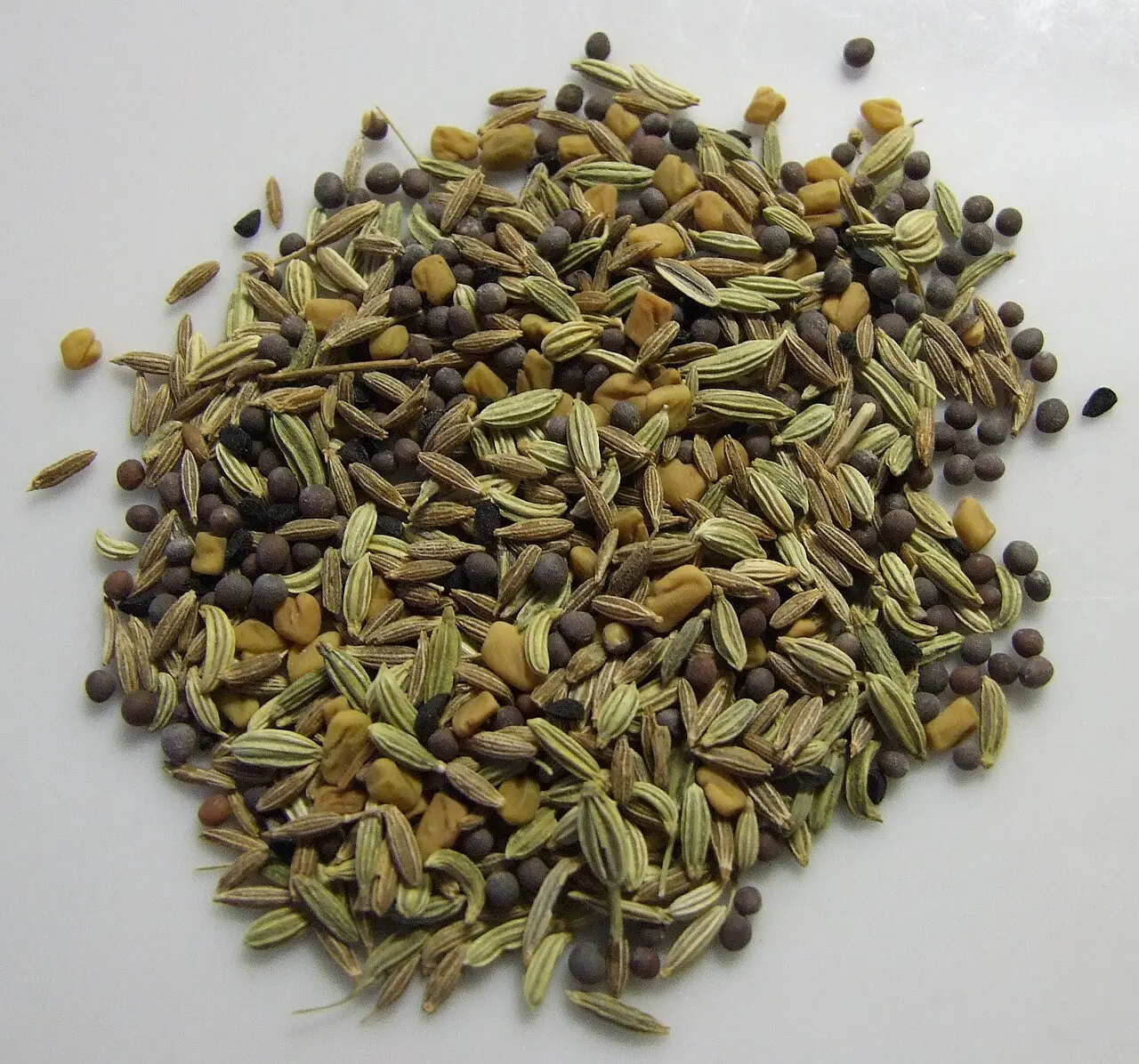
An Eastern Indian five-seed whole spice mix of equal parts cumin, black or brown mustard, fenugreek, nigella and fennel, used for tadka. It perfumes the oil with pungent, earthy, sweet-bitter notes for labra, panchmishali torkari, dalma and tangy chutneys.
A finely ground, aromatic spice blend for Mumbai’s pav bhaji and tawa pulao with warm, pungent and sour notes from roasted spices and dried mango powder. Stir it into onions and tomatoes while cooking, then finish with a light sprinkle or a butter tadka.
Bajra, or pearl millet, brings a deep earthy, nutty taste to rotla, bhakri, khichdi and Tamil kambu koozh. Cook whole, cracked, as flakes, or milled as bajra atta; cracked grain usually needs 1 cup to 3–4 cups liquid.
A coarse, pungent Indian spice blend of split mustard, fenugreek, fennel, nigella, turmeric, chilli and hing. Use it in pickles and achari dishes, in marinades, tadka, or during cooking.
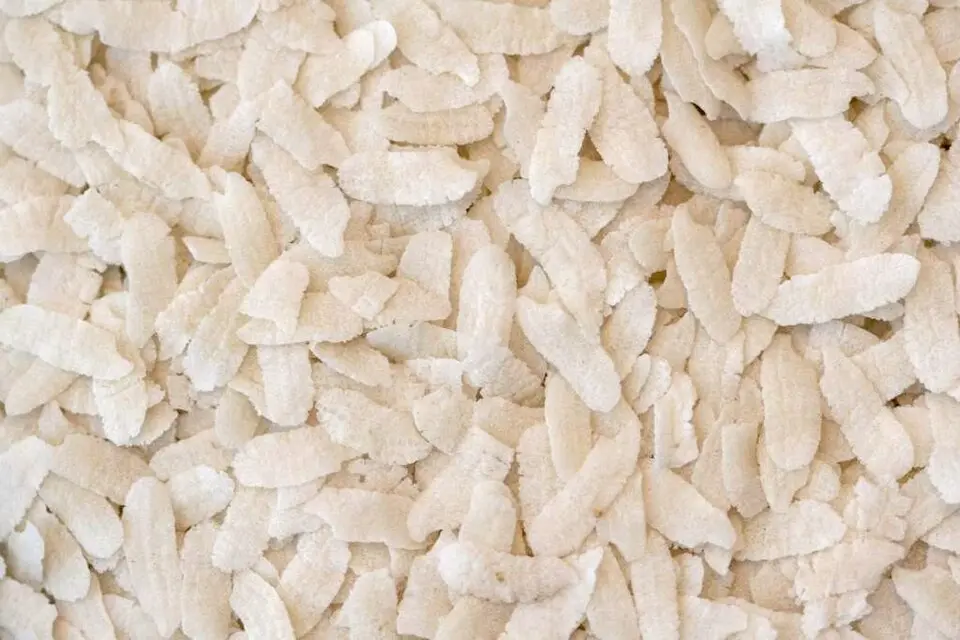
Flattened, parboiled rice rolled into dry flakes, पोहा drinks up tadka and steams soft in the pan. Choose thick flakes for Kanda Poha; thin works for chivda.
Rasam powder is a South Indian dry spice blend of roasted coriander, cumin, black pepper and dried red chilies, often with a bit of toor dal or chana dal. Add it while boiling the tamarind, tomato and dal broth for rasam so the spices fully infuse.
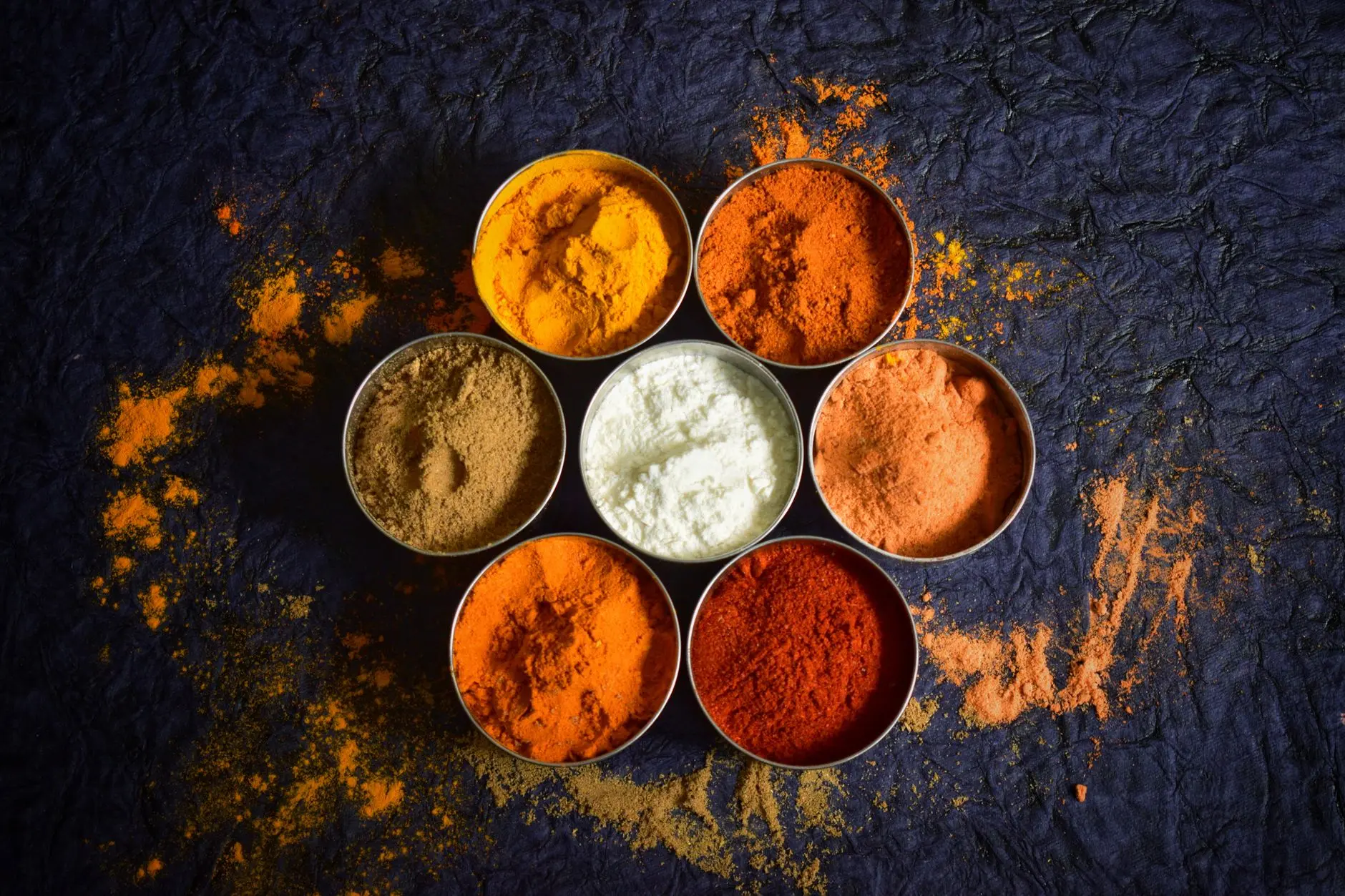
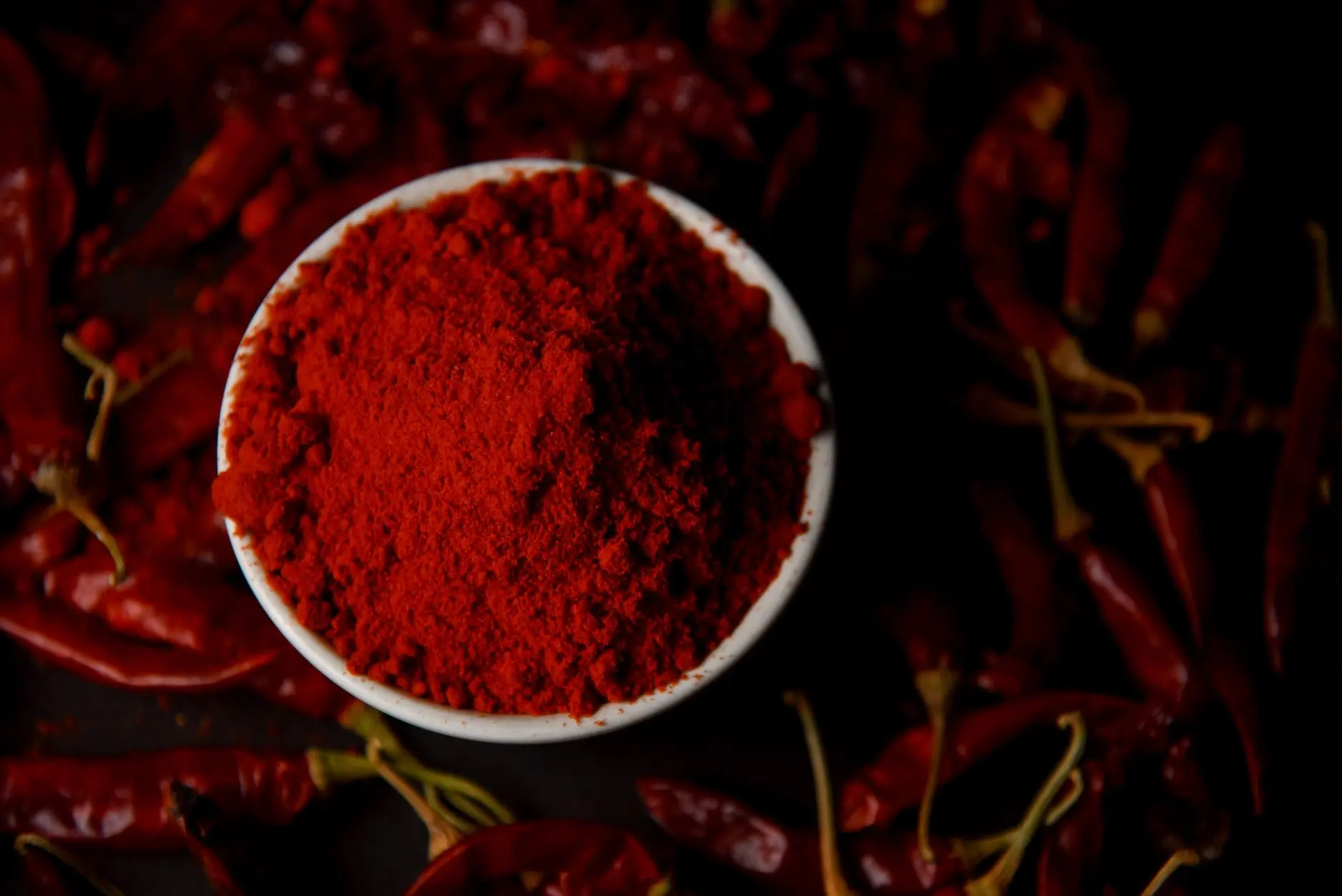
Ground dried ripe pods of Capsicum, red chilli powder (लाल मिर्च पाउडर) is the everyday red spice that gives curries, sambars and pickles their heat and colour.
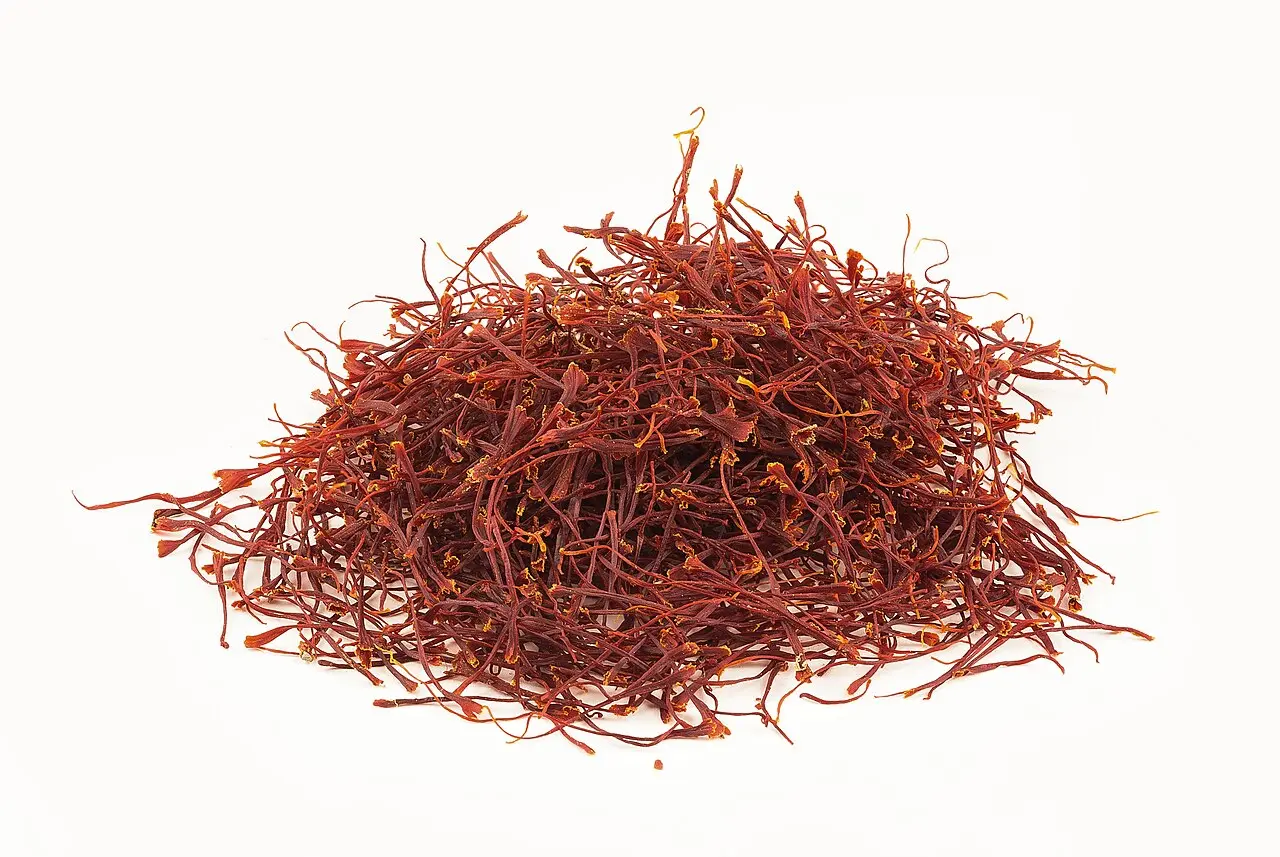
Kesar brings a sweet-floral aroma, warm earthy notes, and a golden hue to biryani, kahwa, and mithai. Infuse the threads in warm milk or syrup, then add at the finish.
Aromatic, nutty, and fiery, sambar powder (सांबर पाउडर) is the South Indian blend for sambar and tamarind-heavy curries, added during cooking so the spices meld with the vegetables.
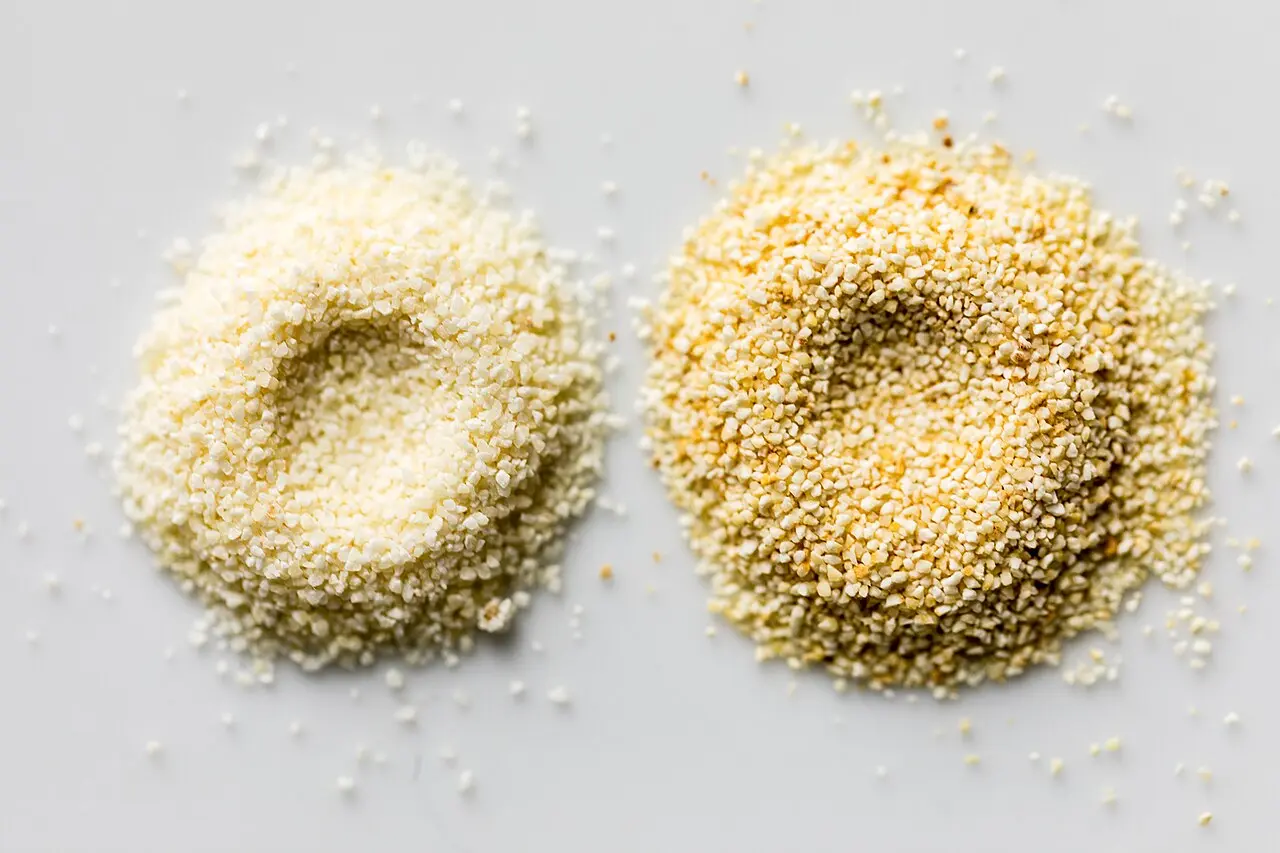
Toast suji till it smells nutty, then stream it into hot liquid while stirring for lump-free upma or halwa. This is the grainy wheat rava you reach for every week.
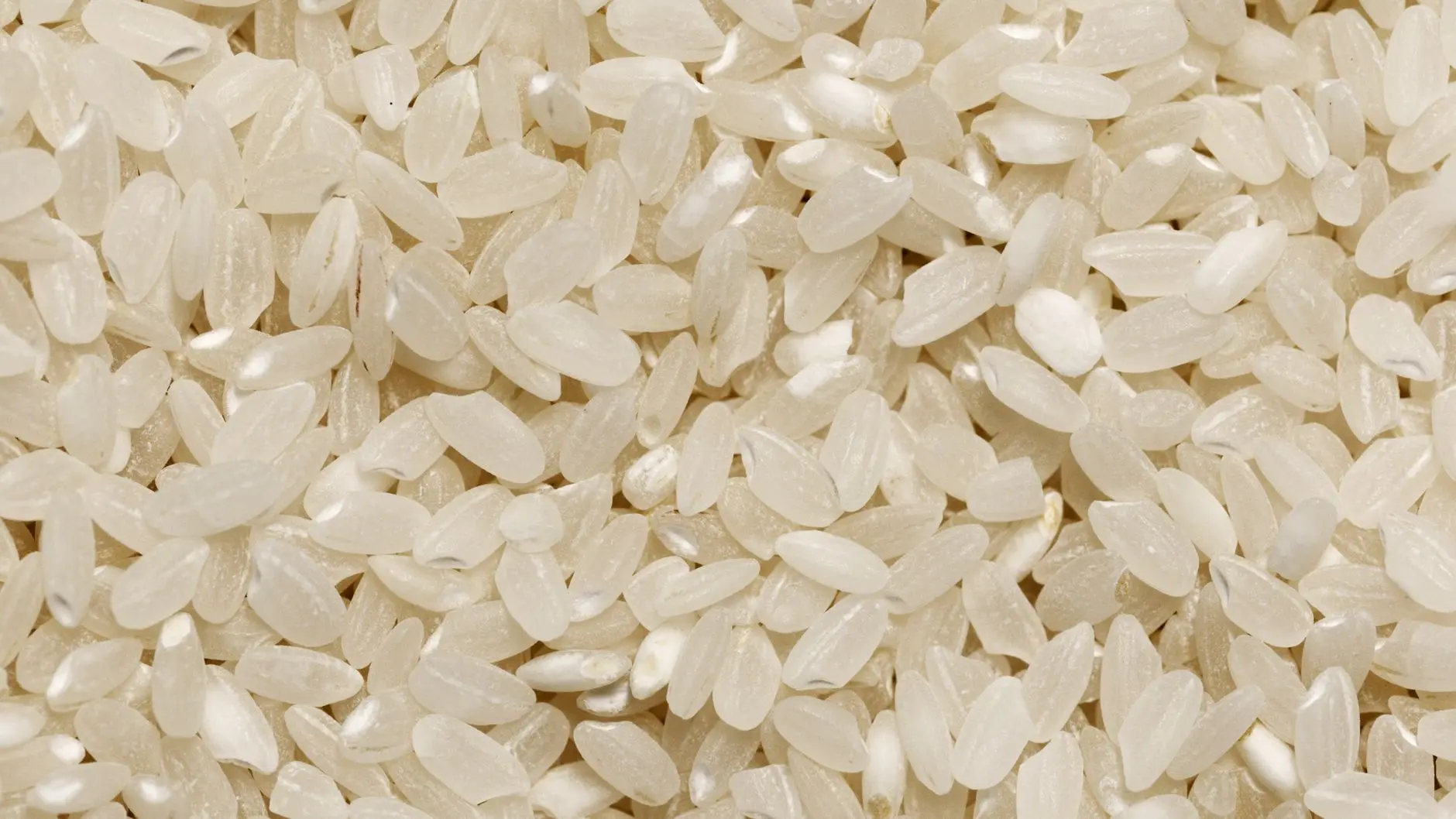
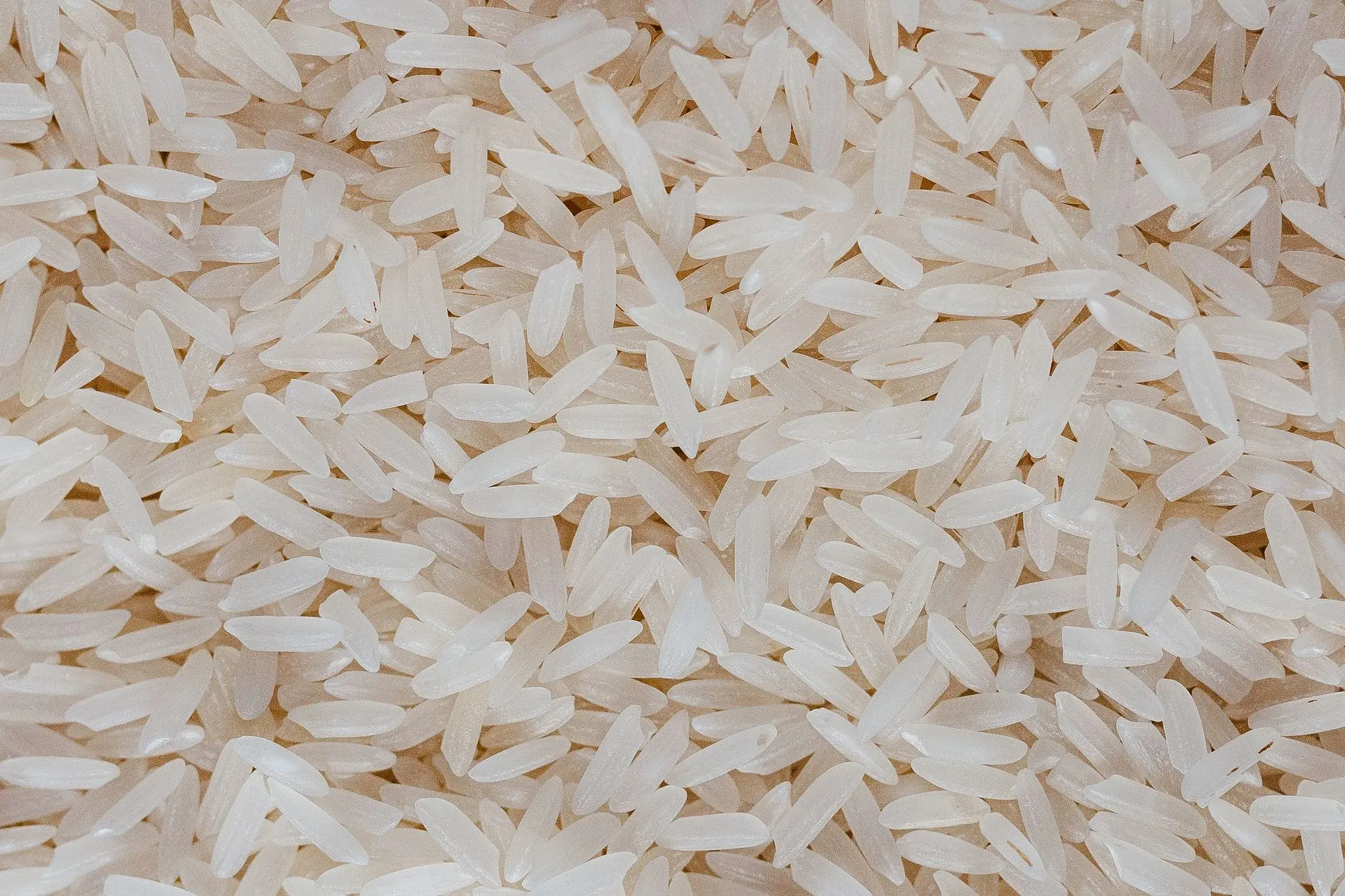
Aromatic, lightweight medium-grain rice that cooks clean and subtly sweet. Everyday South Indian table rice that sits well with sambar, rasam, or curd rice.
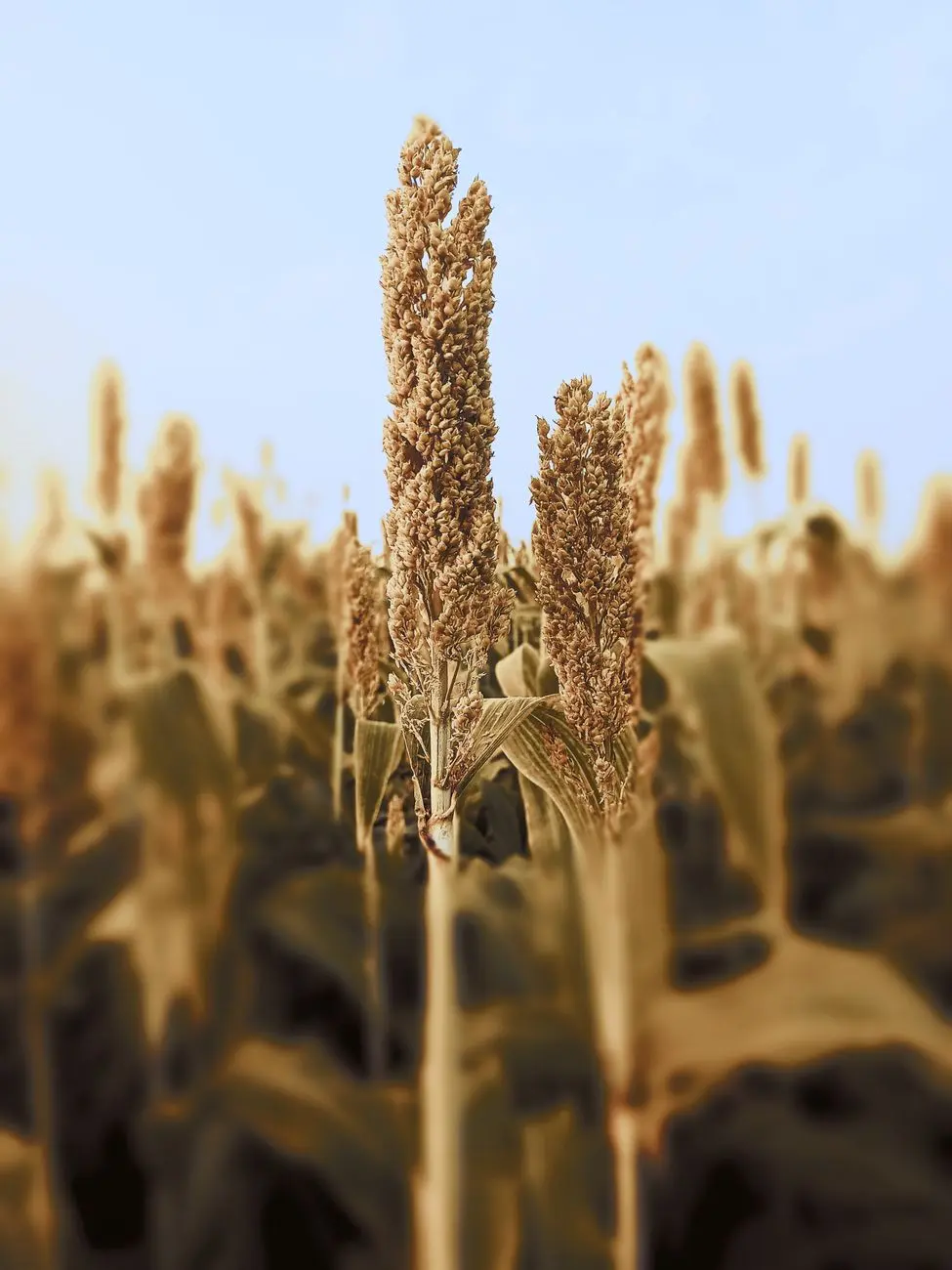
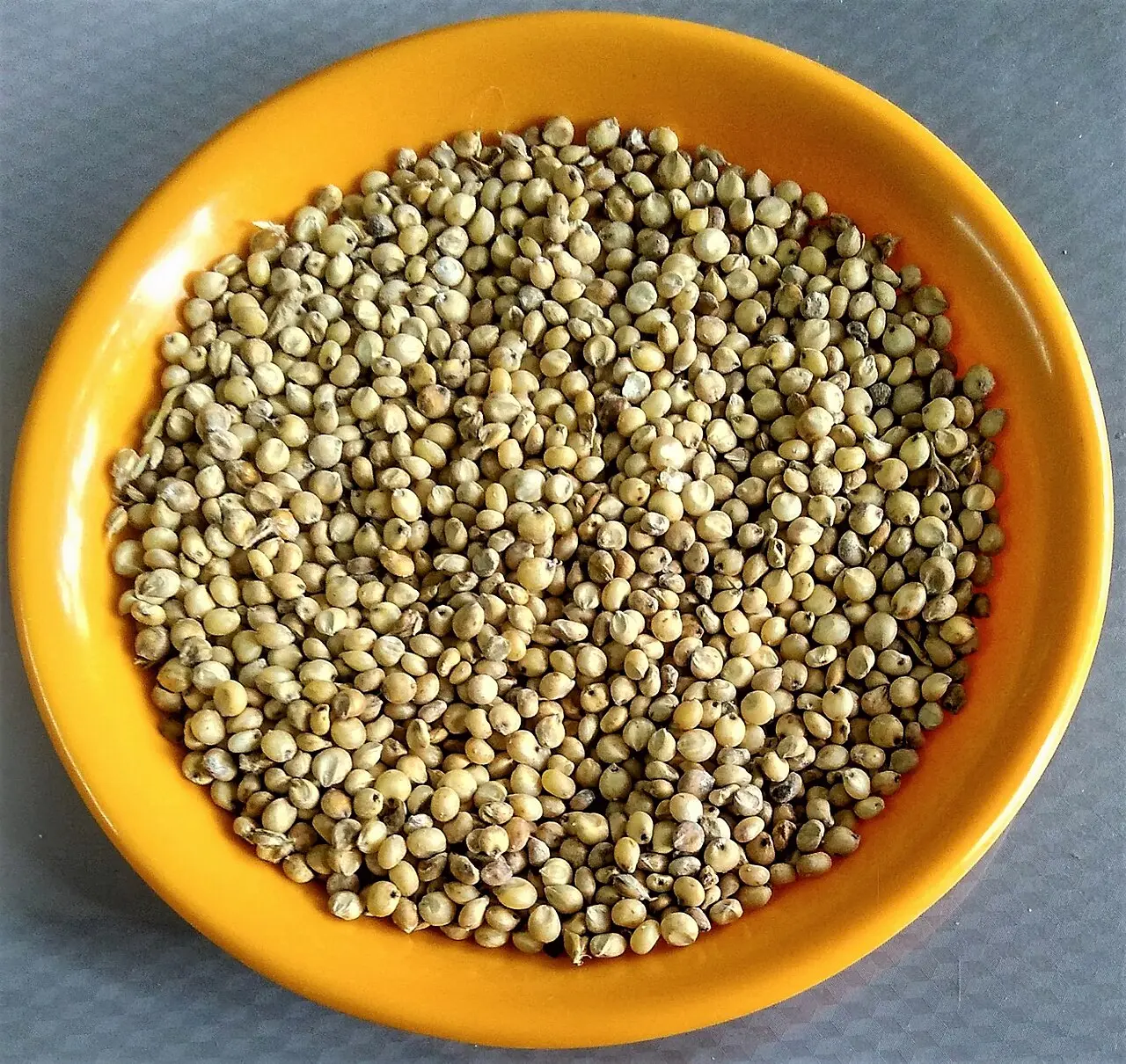
Jowar is an ancient, gluten-free grain with a mild, earthy taste that turns nutty when roasted. Use whole kernels or flour; for bhakri or jolada rotti, mix the flour with hot water before shaping.
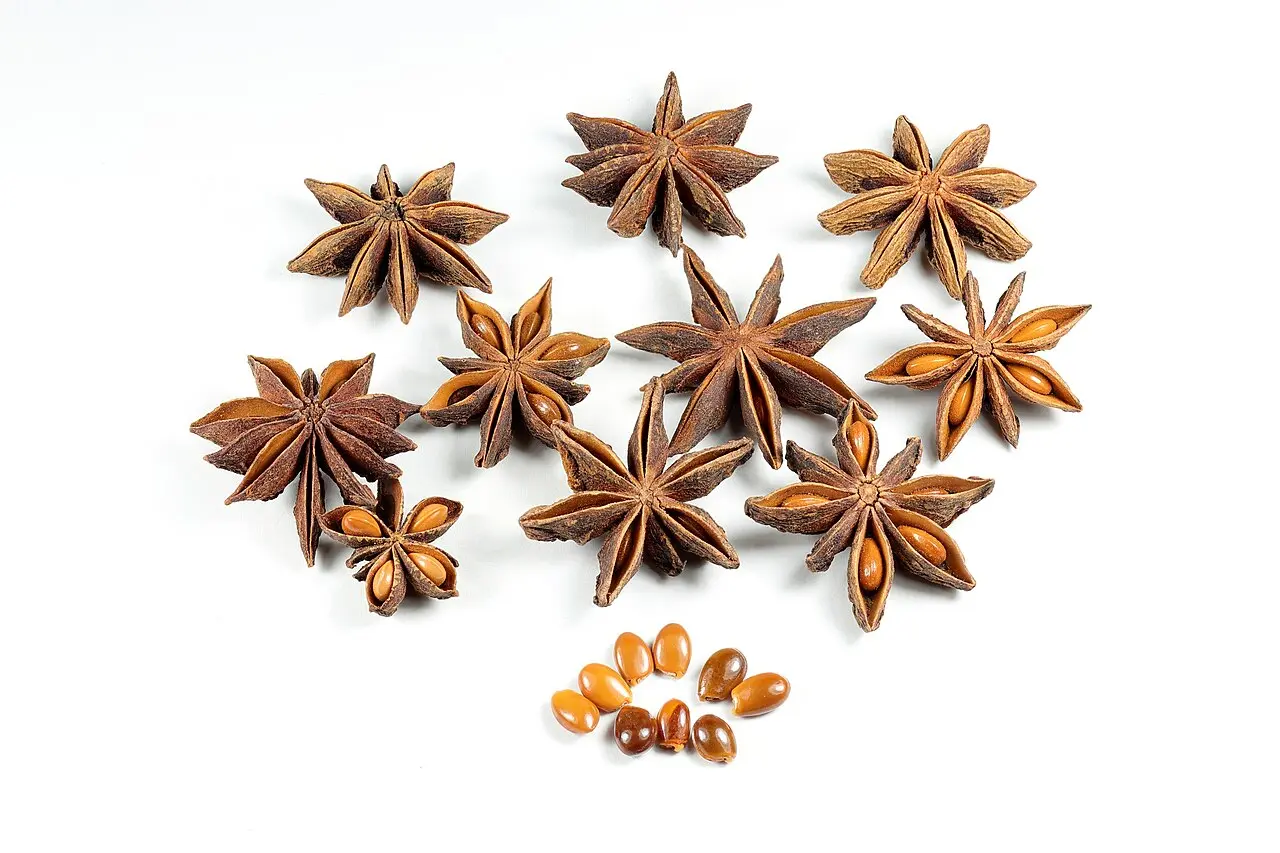
Use chakra phool for a sweet, warm aroma: bloom whole stars in tadka, simmer them in gravies or rice water, or finish with a pinch of the powder for that gentle licorice note.
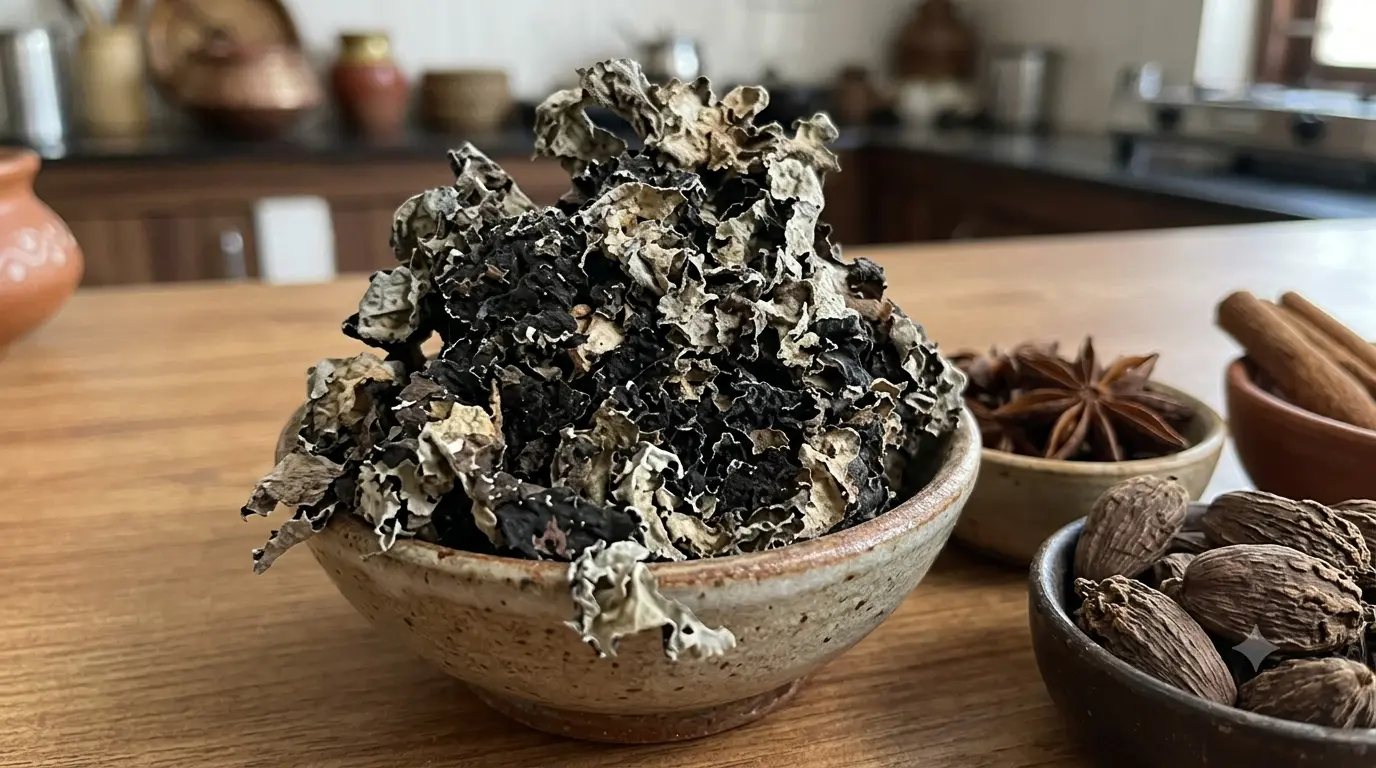
Patthar phool (stone flower) is an edible lichen sold whole and dried. Fry it gently in oil or ghee to bring out an earthy, smoky aroma for Chettinad curries, Goda/Kala masala, and Awadhi potli masala.
Toor dal, अरहर दाल (Arhar dal), is the dried, split pigeon pea that gives sambar, rasam and dal tadka their body. Nutty and mildly earthy, it cooks soft and takes on a ghee–cumin–hing tadka beautifully.
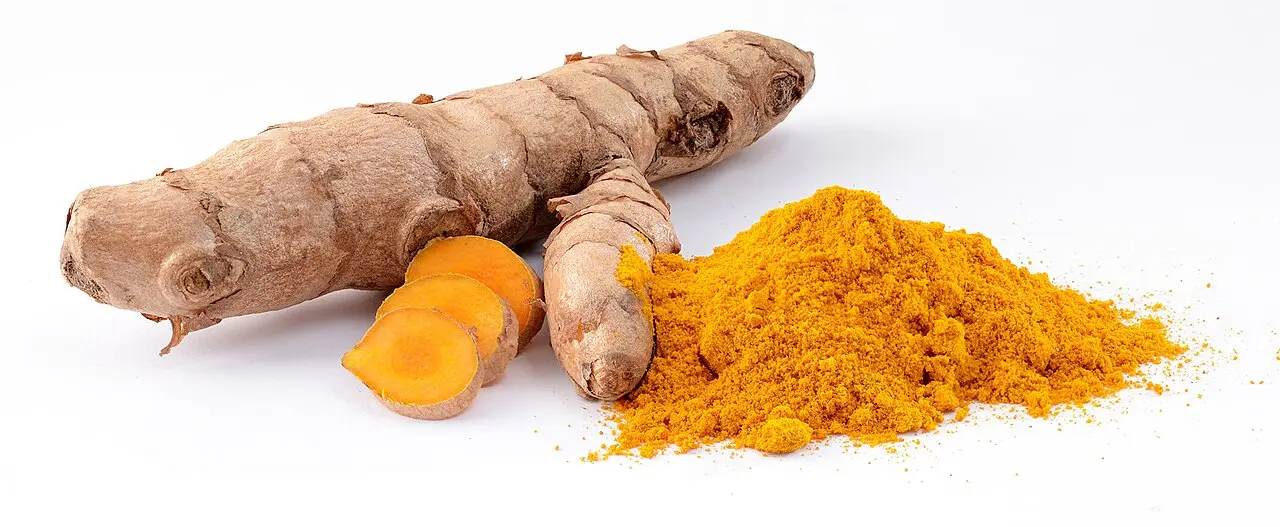
Turmeric, or haldi (हल्दी), is the familiar orange-yellow spice from the underground rhizome of Curcuma longa used for colour and a warm, earthy note in dals, sabzis and curries.
How the Pantry is written
Facts are cross-checked
Every claim is checked against a second, independent search. Anything uncertain is left out.
Editors review every page
Nothing is published until an editor has read it. Traditional uses also need a qualified reviewer.
No miracle cures
Traditional uses are kept apart from cooking advice, with cautions, and never sold as treatment.

 Spice
Spice