
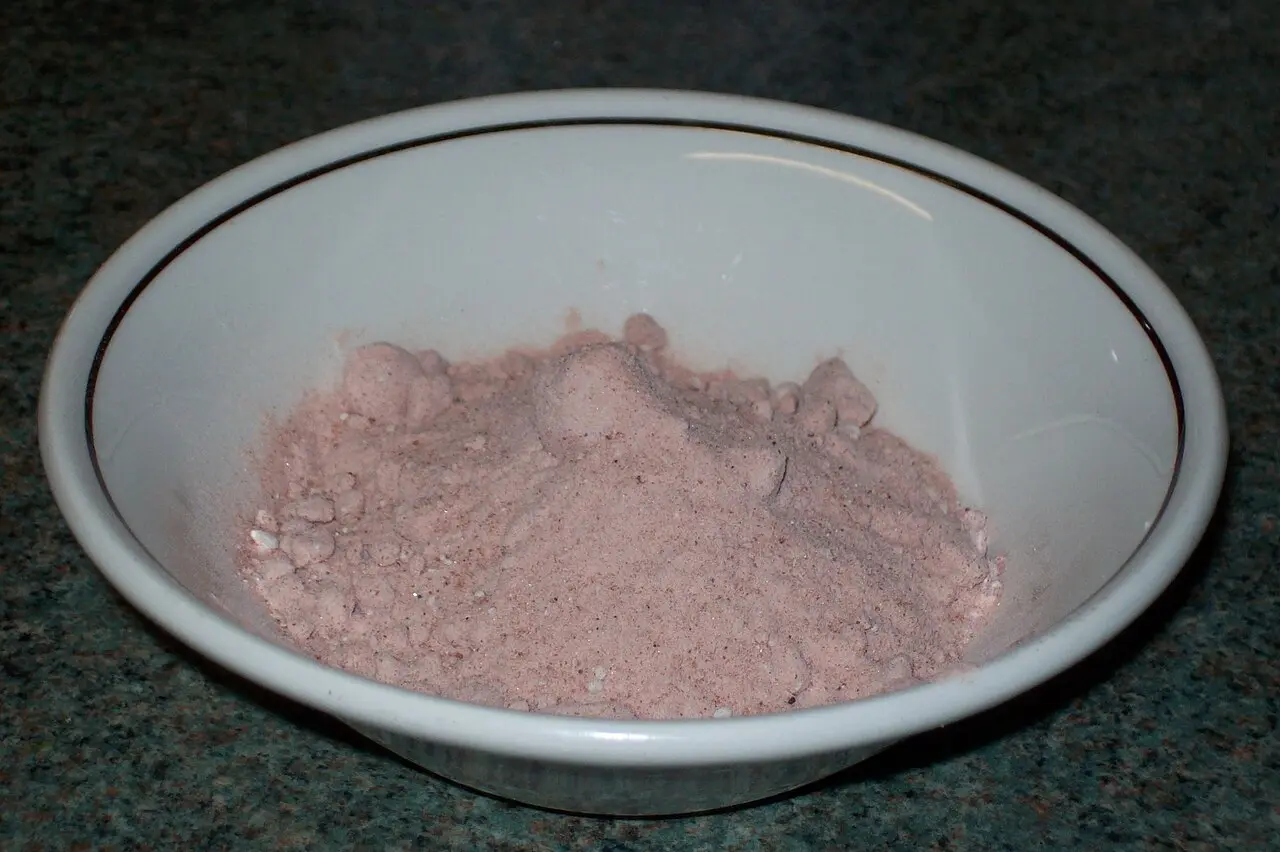
What it is
Black salt, or काला नमक (Kala namak), is a kiln-fired rock salt made by heating raw mineral salt in sealed furnaces with charcoal and botanicals like harad fruit (Terminalia chebula). This firing creates sulfur-rich compounds that give it its signature aroma.
You’ll find it as whole crystalline chunks or already ground into powder. Most home cooks buy and use the powder.
Flavour and aroma
Expect a hard-boiled-egg, sulfurous aroma with a tangy, savory mineral saltiness. It’s pungent, a bit earthy, and adds an umami-like depth to simple snacks and drinks.
Cooking with it
When to add it
How much to use
Use काला नमक as a finishing sprinkle so the sulfur aroma stays bright. It’s the sour-savory touch in street-food chaats like bhel puri, pani puri, and fruit chaat.
Stir it straight into chilled drinks: jaljeera, shikanji, and spiced chaas. Whisk a pinch into yogurt for raitas such as boondi raita and cucumber raita.
Substitutes
- Chaat masalaprovides a similar sulfurous tang, but account for its added spices and tartness
Origin and where it grows
Black salt originated on the Indian subcontinent and has been noted for millennia in Ayurvedic treatises under the Sanskrit name Sauvarchala lavana. Rajasthan is a premier producing state, where it’s kiln-fired using regional brine and rock minerals around lakes such as Sambhar and Didwana.
Grown in
Buying and storing
How to pick good quality
Authentic whole काला नमक looks brownish-black to deep violet. After milling, it turns a dusty pink or lavender-grey powder.
Storage
Store in a tightly sealed, moisture-proof glass or ceramic container. It readily absorbs moisture and can cake.
Nutrition
Primarily sodium chloride, with trace amounts of iron sulfides, sodium sulfate, potassium, and magnesium.
Frequently asked questions
What is black salt (काला नमक) made from?
It’s a kiln-fired rock salt heated in sealed furnaces with charcoal and botanicals like harad fruit, forming sulfur-rich compounds that create its aroma.
When should I add black salt for best flavor?
Use it as a finishing sprinkle on snacks, fruits, and chaats, or stir it directly into chilled drinks like jaljeera and shikanji.
How much black salt should I use?
A small pinch to 1/4 teaspoon is usually enough for a dish or a pitcher.
Can I substitute chaat masala for black salt?
Yes, in finishing uses. Chaat masala contains black salt and gives a similar sulfurous tang, but account for its added spices and extra tartness.
Why is my black salt pink after grinding?
Whole काला नमक is brownish-black to deep violet, but once milled it naturally turns a dusty pink or lavender-grey.
Related ingredients
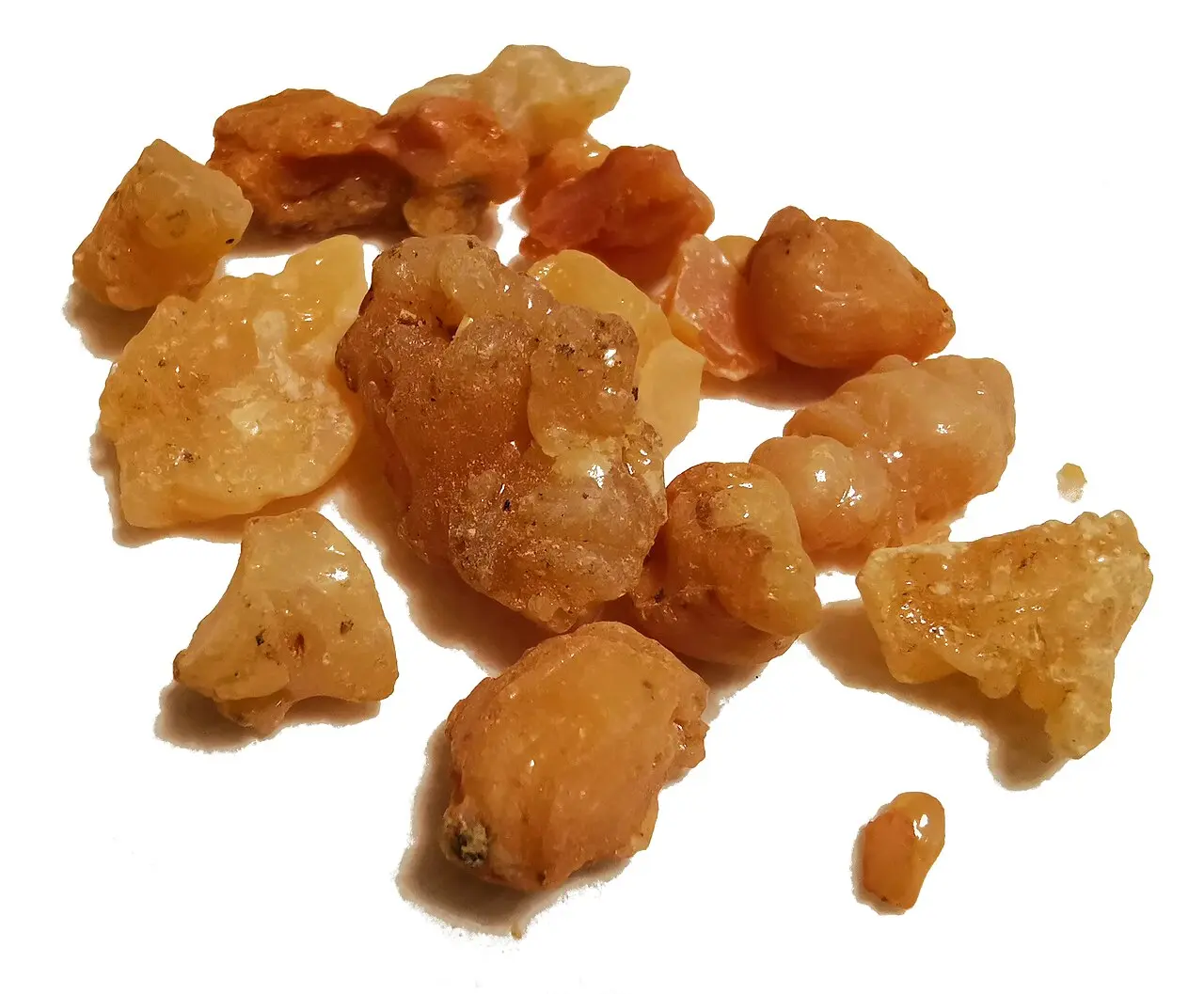 Spice
SpiceAsafoetida
हींग (Hing)
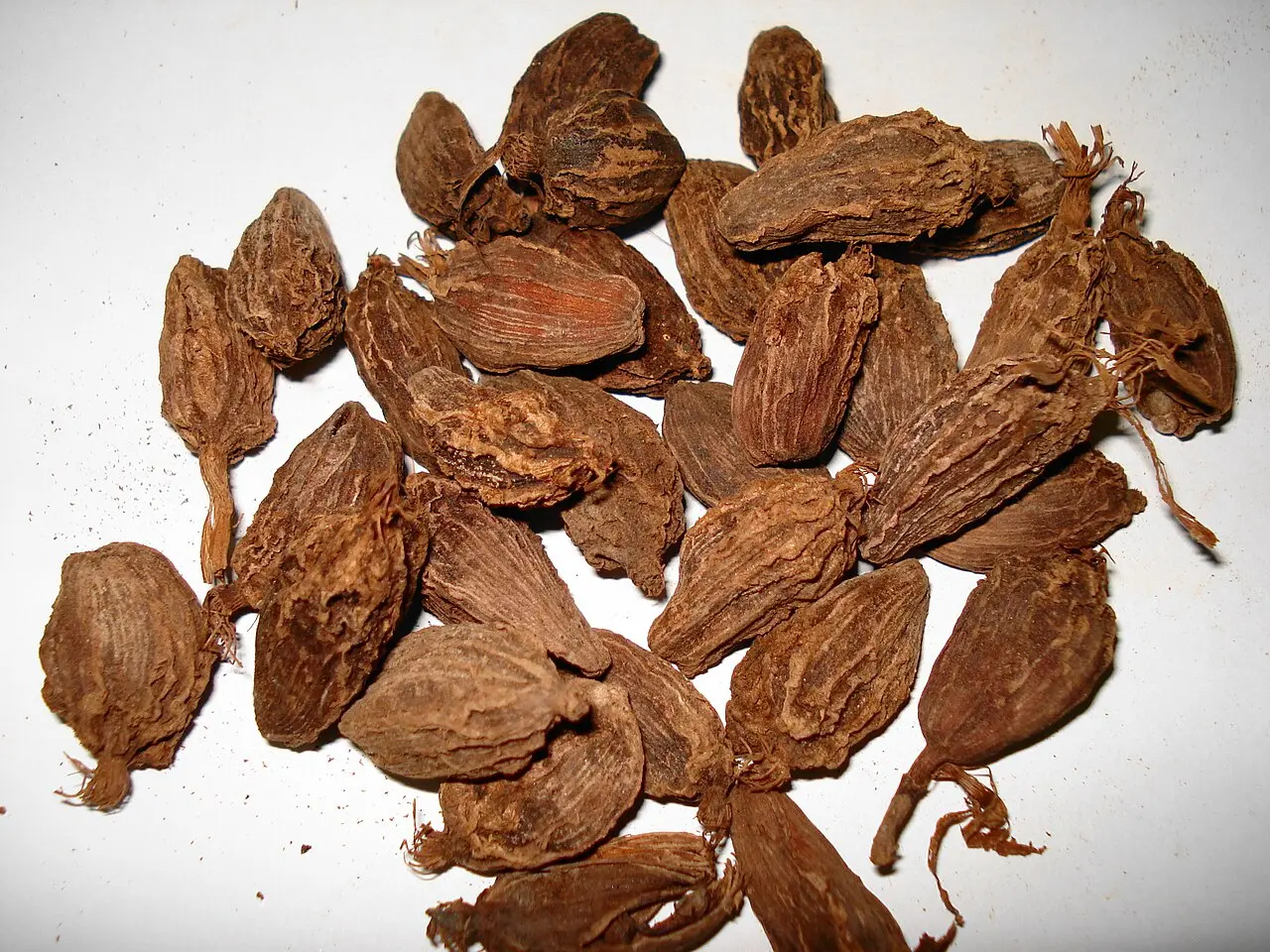 Spice
SpiceBlack cardamom
बड़ी इलायची (Badi elaichi)
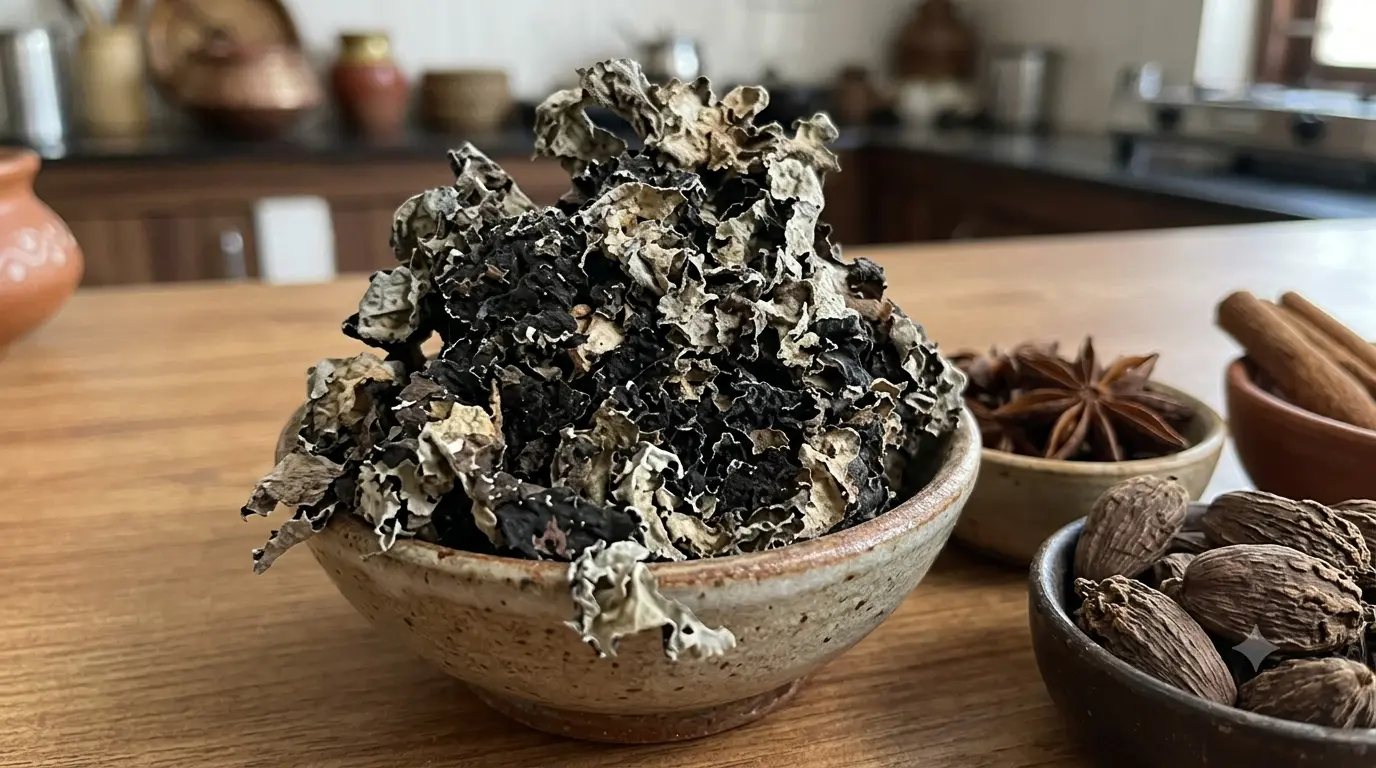 Spice
SpiceStone flower
पत्थर फूल (Patthar phool)
 Spice
SpiceBlack pepper
काली मिर्च (Kali mirch)
 Spice
SpiceCarom seeds
अजवाइन (Ajwain)
 Spice
SpiceClove
लौंग (Laung)