
What it is
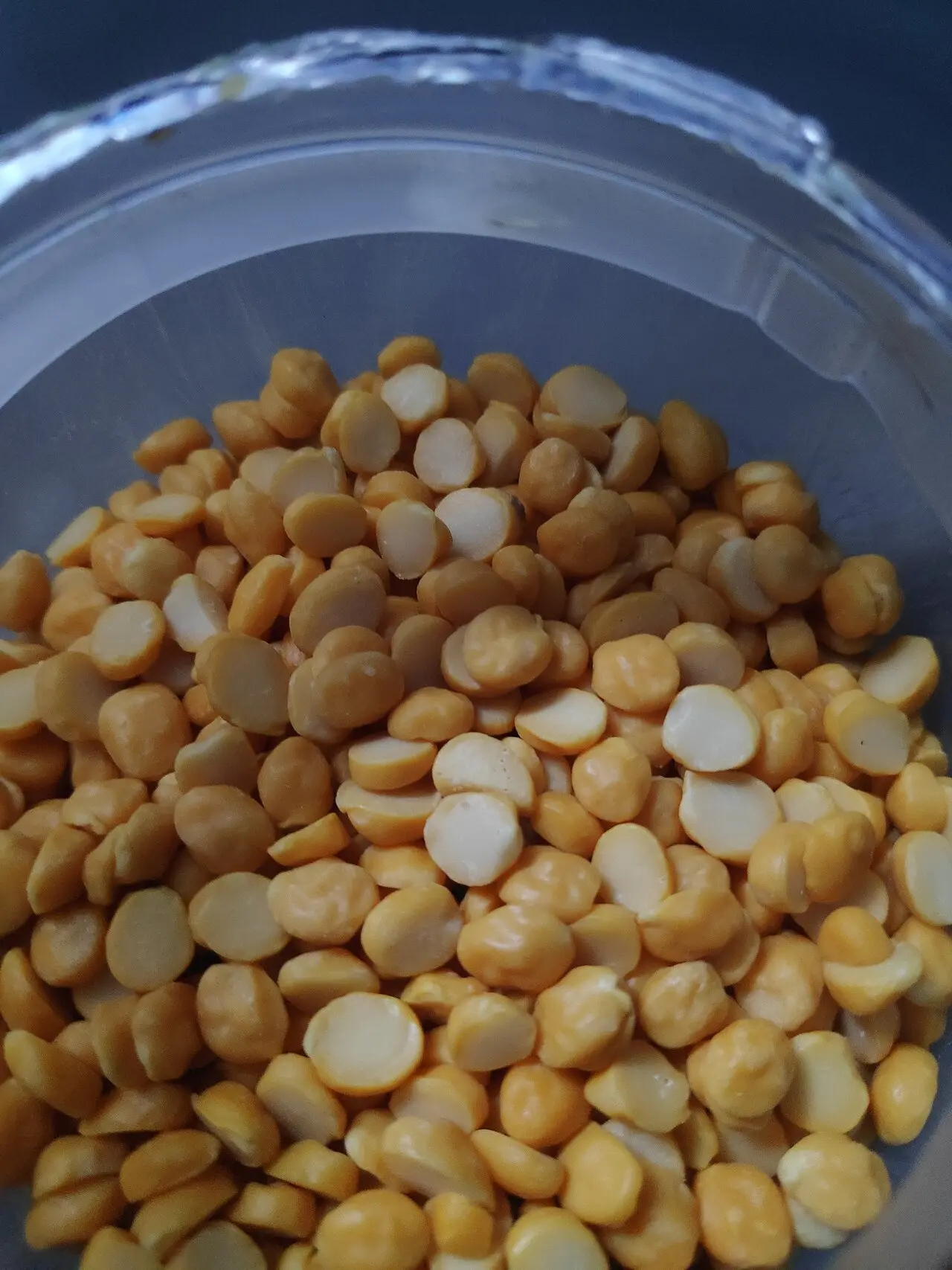
Chana dal is the split, dehusked seed of the desi chickpea or Bengal gram (Cicer arietinum L.). You know it as चना दाल (Chana dal).
It’s sold and stored as a dried split pulse. Around India you’ll hear Kadalai Paruppu (Tamil), Senaga Pappu (Telugu), Kadale Bele (Kannada), Kadala Parippu (Malayalam), and Harbhara Dal (Marathi).
Flavour and aroma
Naturally nutty with a mild sweetness. When cooked, the grains stay separate with a creamy interior instead of dissolving. Frying the raw dal in hot oil releases a deep roasted aroma and gives a crisp crunch.
Cooking with it
When to add it
For chutneys and rice, fry raw chana dal in hot oil or ghee during tadka so you get that toasty aroma and a crunchy bite.
For main-course curries and stews, soak it and add at the start, then simmer or pressure-cook until tender. It forms the base of Bengali Cholar Dal, simmered with whole spices, raisins, and toasted fresh coconut.
For sweets, boil and mash the dal and cook it with jaggery or sugar for puran or payasam. The sweetened paste with cardamom is the classic puran inside Maharashtrian puran poli. Coarsely ground soaked dal with onions and green herbs is the foundation of South Indian masala vada.
Substitutes
- Yellow split peassimilar cooking time and grain firmness, though with a slightly earthier, starchier flavor
Origin and where it grows
Chickpea cultivation traces back to the Fertile Crescent and has been documented across the Indian subcontinent since Harappan antiquity. In India, major producing states include Maharashtra, Madhya Pradesh, Rajasthan, and Gujarat.
Grown in
Buying and storing
How to pick good quality
Pick uniform golden-yellow kernels with even splitting. Avoid dal with powdery bits, broken fragments, or any sign of dampness.
Simple adulteration check
FSSAI’s DART manual notes that adding concentrated hydrochloric acid to a water extract of chana dal reveals synthetic Metanil Yellow if an immediate magenta or pink color appears. FSSAI also warns of mixing with Kesari dal (Lathyrus sativus), identifiable by its wedge-shaped, flat exterior and slanted cut.
Storage
Keep dry chana dal in a tightly sealed, food-grade container in a cool, moisture-free pantry, protected from insect infestation.
Shelf life: Up to twelve months when sealed and kept dry and dark.
Nutrition
A dense source of plant protein and complex carbohydrates with an exceptionally low glycemic index and high dietary fiber.
Frequently asked questions
What is chana dal?
It’s the split, dehusked seed of the desi chickpea or Bengal gram (Cicer arietinum L.).
When should I add chana dal to the pot?
For tadka, fry the raw dal in hot oil or ghee to add crunch to chutneys and rice. For curries and stews, soak it and add at the start, then simmer or pressure-cook until tender.
What texture and flavor should I expect?
Cooked chana dal stays firm and separate with a creamy interior, with a naturally nutty, mildly sweet taste. Frying it releases a deep roasted aroma and a crisp bite.
Which dishes use chana dal?
Bengali Cholar Dal with whole spices, raisins, and toasted fresh coconut; the sweet puran for Maharashtrian puran poli; South Indian masala vada; and payasam.
What can I substitute for chana dal?
Yellow split peas work in curries and stews with similar cooking time and grain firmness, though they taste a bit earthier and starchier.
Related ingredients
 Lentil and pulse
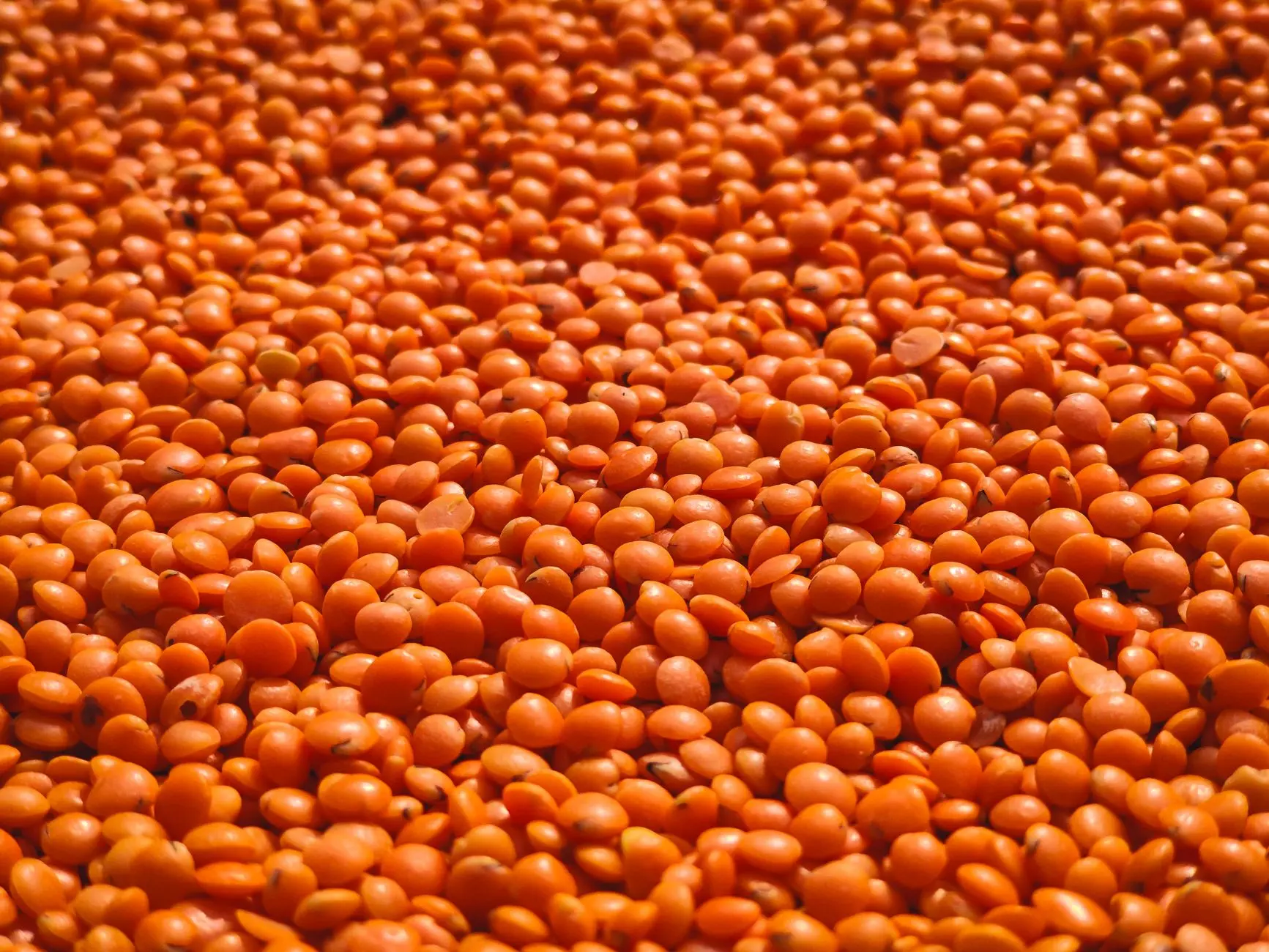
Masoor dal
मसूर दाल (Masoor dal)
 Lentil and pulse
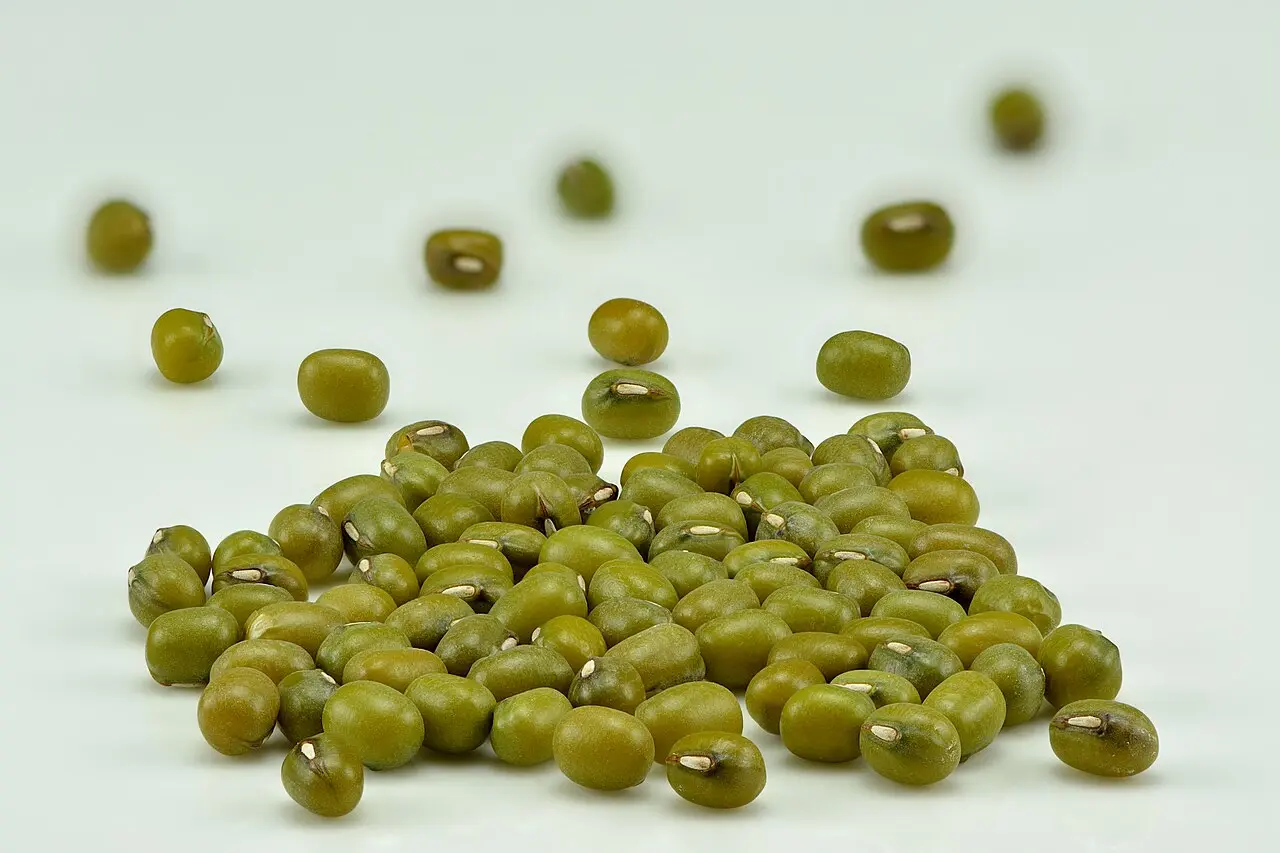
Moong dal
मूंग दाल (Moong dal)
 Lentil and pulse
Toor dal
अरहर दाल (Arhar dal)
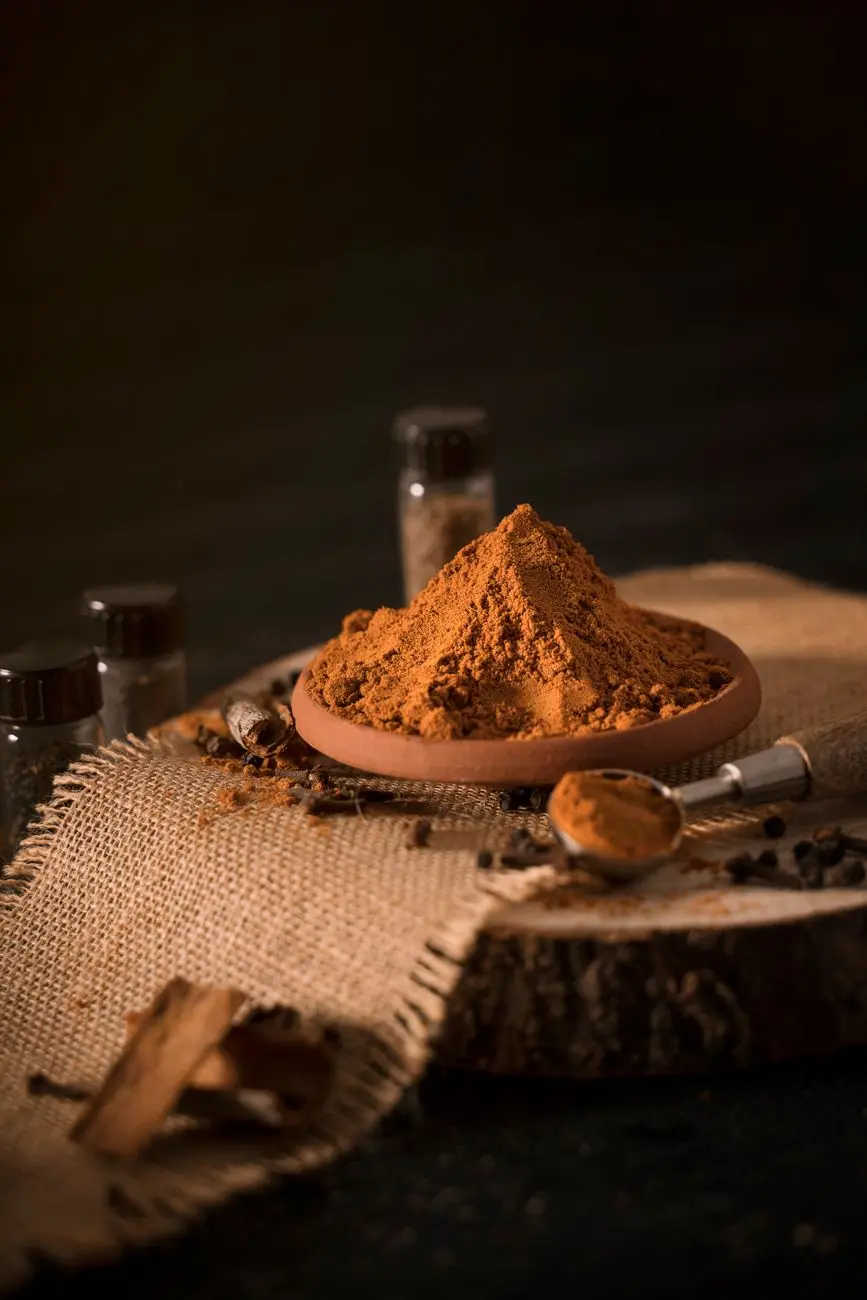 Spice blend
Goda masala
गोडा मसाला (Goda masala)
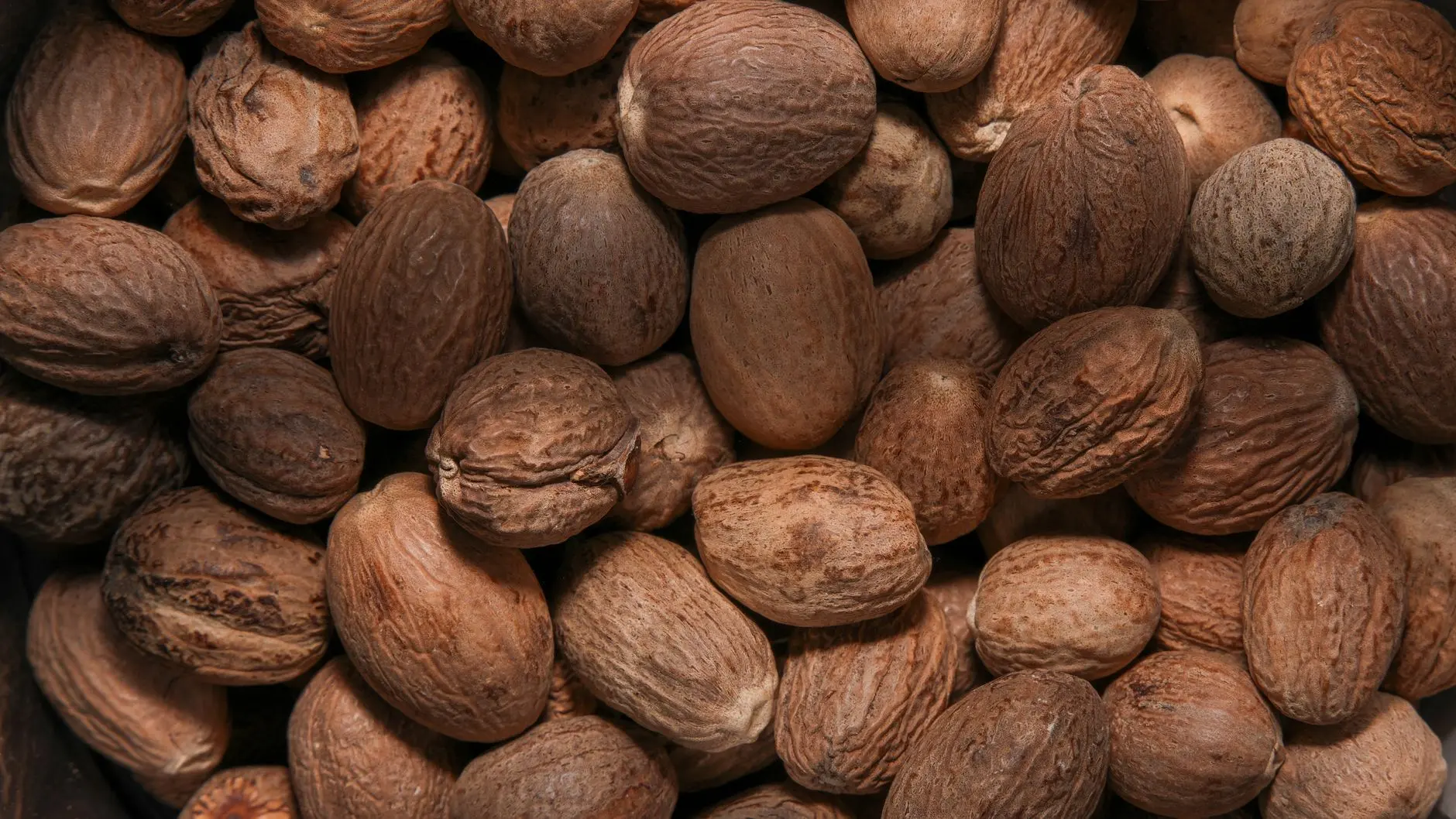 Spice
SpiceNutmeg
जायफल (Jaiphal)
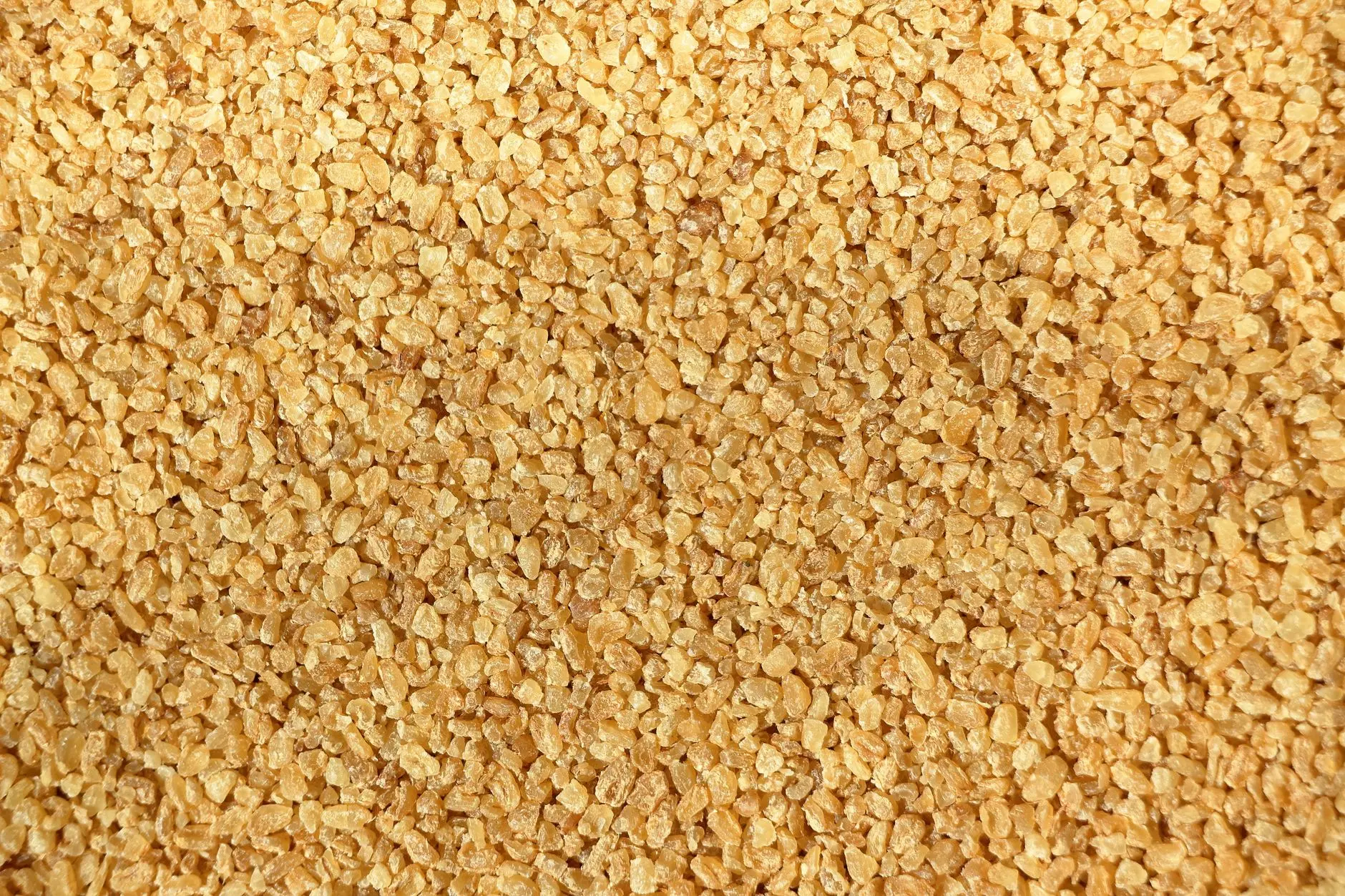 Grain and rice
Broken wheat
दलिया (Daliya)