

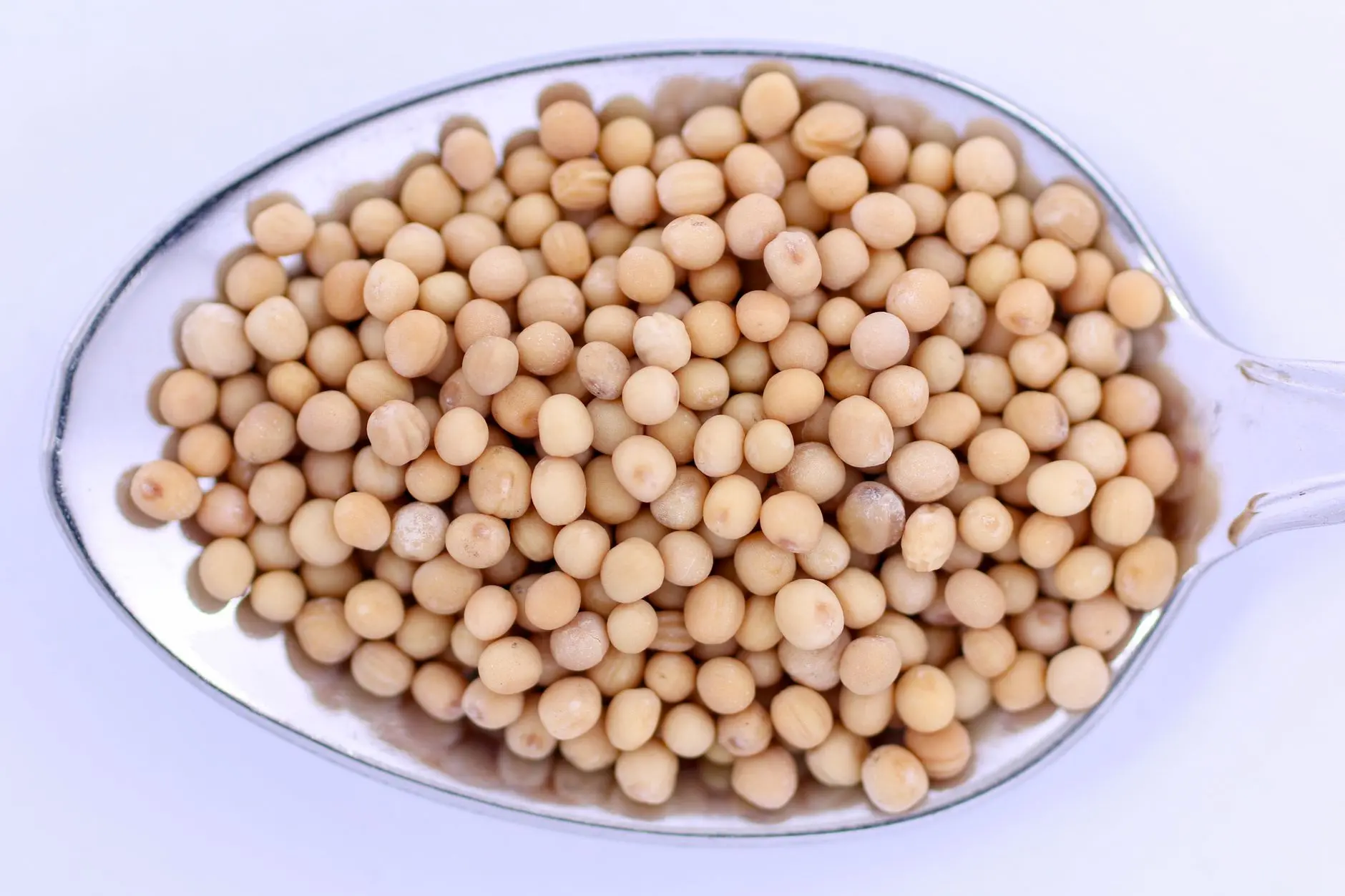
What it is
Mustard seeds are the dried, tiny round seeds from plants of the Brassicaceae family, mainly Indian brown mustard (Brassica juncea) and black mustard (Brassica nigra).
In Indian kitchens you’ll meet them as whole rai, ground to powder, or wet-ground into a pungent paste.
Flavour and aroma
Intact seeds have virtually no smell. When they crackle in hot oil they give a pleasant toasted, nutty savor. Crush them with liquid and an enzymatic reaction releases isothiocyanates, giving a sharp, nose-clearing bite.
Cooking with it
When to add it
For tadka, heat oil and add whole seeds first so they pop and release aromatic oils. This is the base for South Indian dishes like sambar, rasam and poriyal.
Mustard paste is stirred into simmering gravies to build body and pungency; it’s the hallmark in Bengali fish like Shorshe Ilish. Powdered mustard seasons spice blends and pickles.
Substitutes
- Yellow mustard seedsProvides a milder flavor with lower heat; use in equal proportion
Origin and where it grows
Rajasthan is India’s leading producer of rapeseed and mustard. Madhya Pradesh, Uttar Pradesh and Haryana are major producers as well. In the east, West Bengal is an important mustard-growing state.
Grown in
Buying and storing
How to pick good quality
Choose seeds that are uniform in size, clean, hard, and free from moisture, off-odors, or powdery residues.
Simple adulteration check
To detect adulteration with toxic argemone seeds, examine a few under magnification: authentic mustard seeds have a smooth surface and show yellow flesh when crushed, while argemone seeds are rough and grainy with white flesh inside.
Storage
Store mustard seeds in an airtight glass or food-grade container in a dry, cool cabinet away from heat, moisture, and direct sunlight.
Nutrition
A dense source of dietary fiber, vegetable protein, healthy fatty acids, and essential minerals including calcium, magnesium, and phosphorus.
Frequently asked questions
How do I use mustard seeds for tadka?
Fry whole seeds in hot oil as the opening step so they pop and release their aromatic oils. This is standard for sambar, rasam, and poriyal.
What’s the flavor difference between tempering and making a paste?
Tempering whole seeds turns them nutty and toasty. Grinding with liquid releases isothiocyanates, giving an assertive, sharp pungency.
Can I swap yellow mustard seeds for brown or black?
Yes. Yellow mustard seeds give a similar texture but a milder, less pungent bite; use them in equal proportion.
Which Indian states produce mustard?
Rajasthan leads India’s rapeseed-mustard production. Madhya Pradesh, Uttar Pradesh, Haryana, and West Bengal also contribute significantly.
How can I check for argemone adulteration at home?
Look under magnification: true mustard seeds are smooth with yellow flesh when crushed, while argemone seeds are rough and show white flesh.
Related ingredients
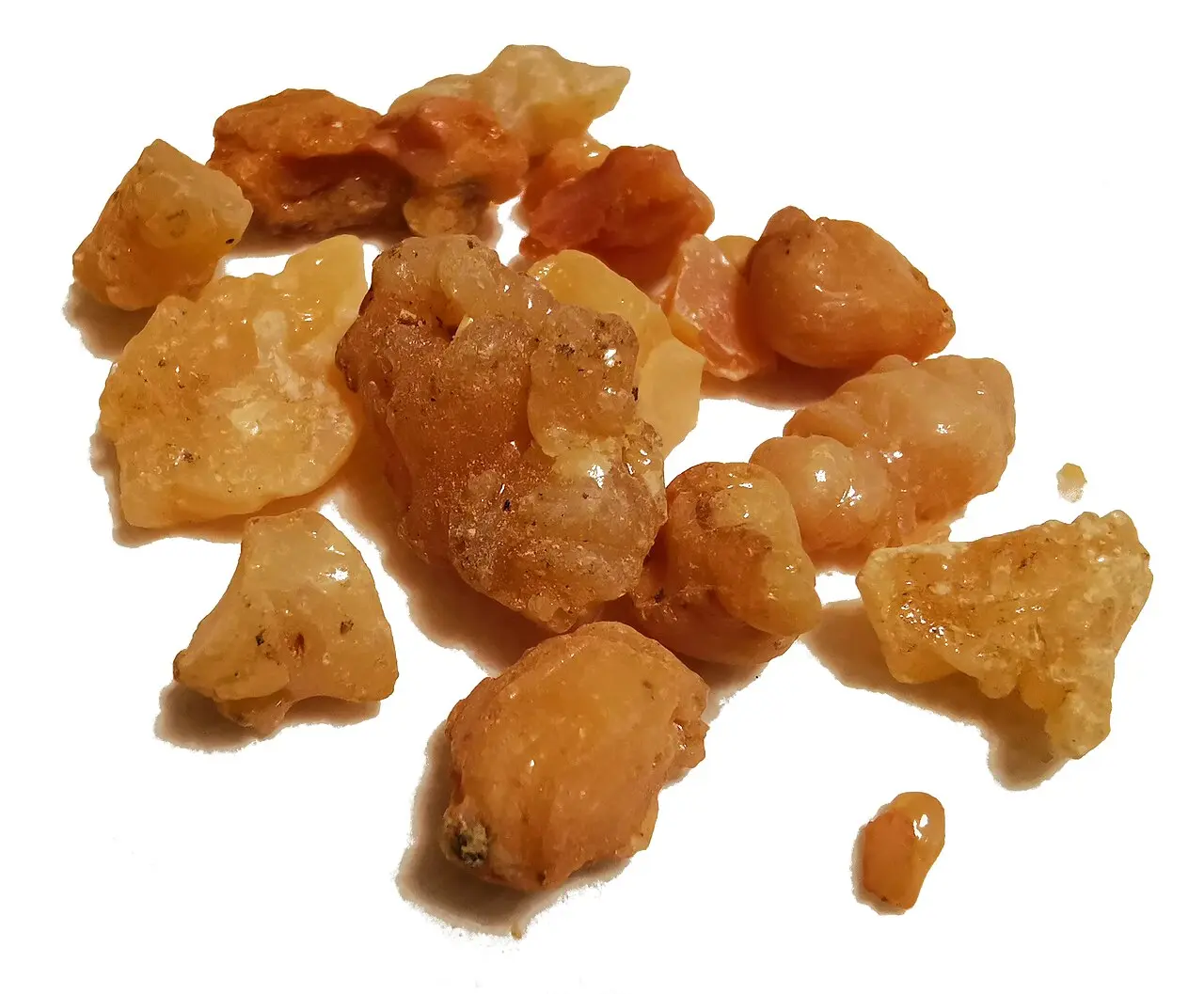 Spice
SpiceAsafoetida
हींग (Hing)
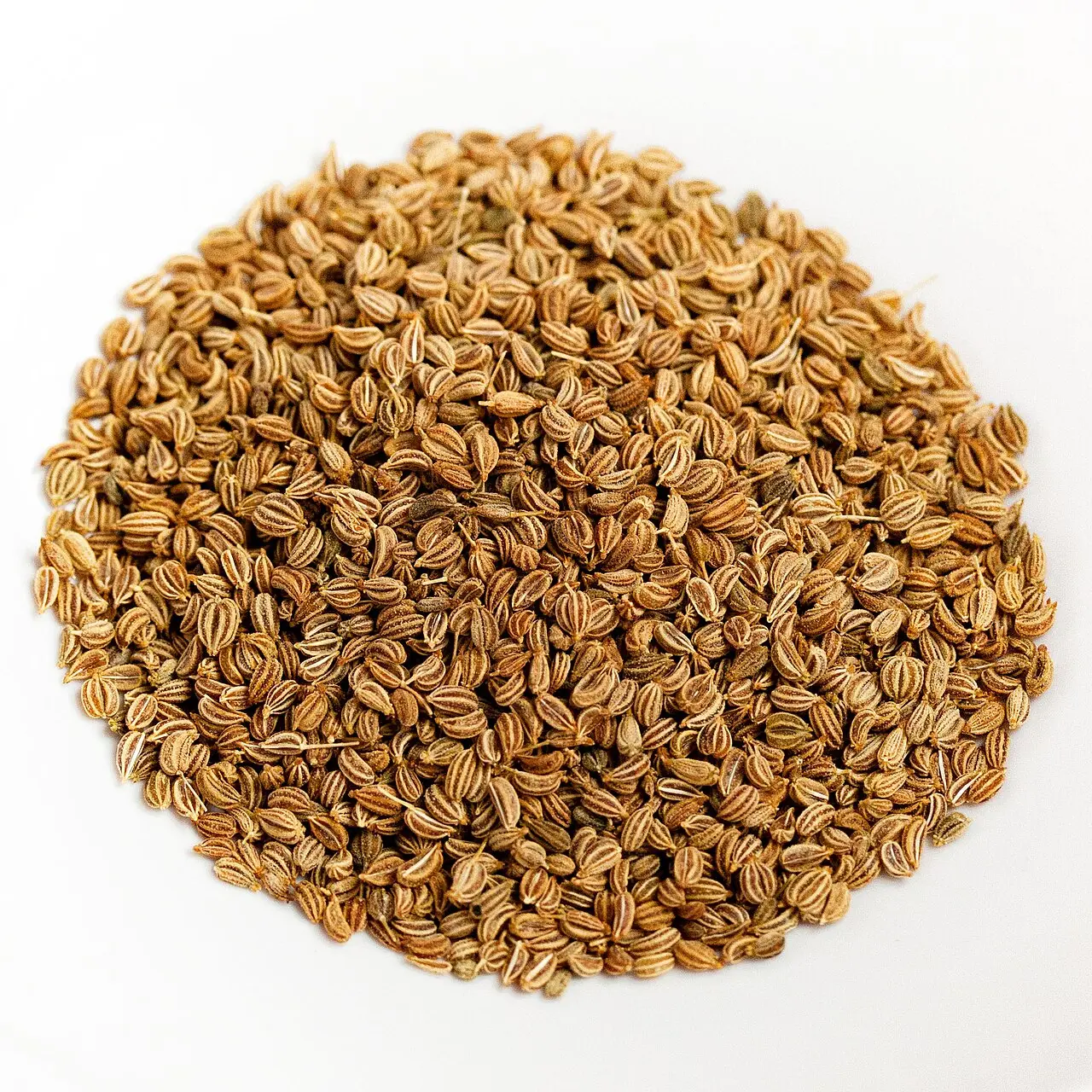 Spice
SpiceCarom seeds
अजवाइन (Ajwain)
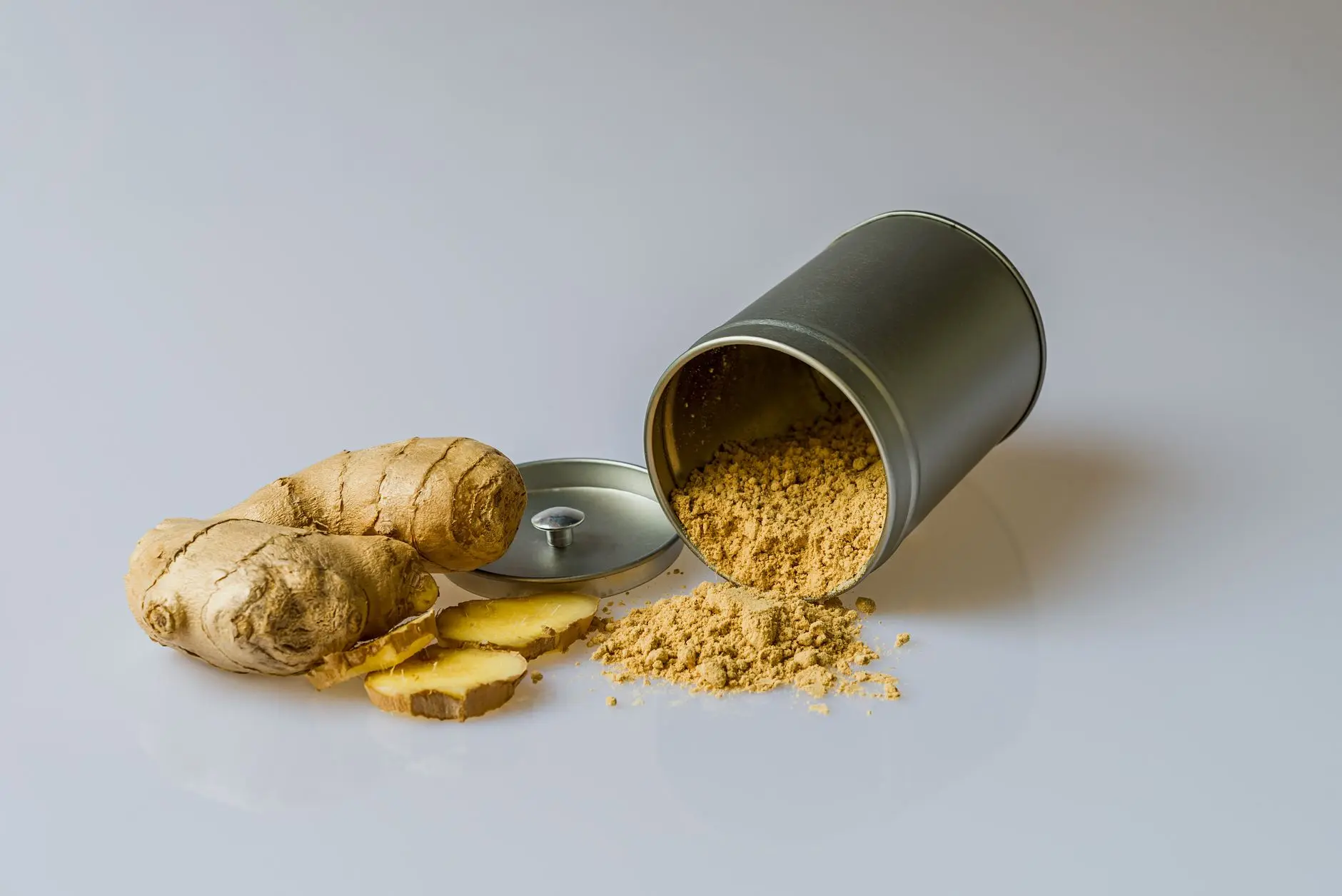 Spice
SpiceDry ginger powder
सोंठ (Saunth)
 Spice
SpiceNigella seeds
कलौंजी (Kalonji)
 Spice
SpiceBlack cardamom
बड़ी इलायची (Badi elaichi)
 Spice
SpiceBlack pepper
काली मिर्च (Kali mirch)