
What it is
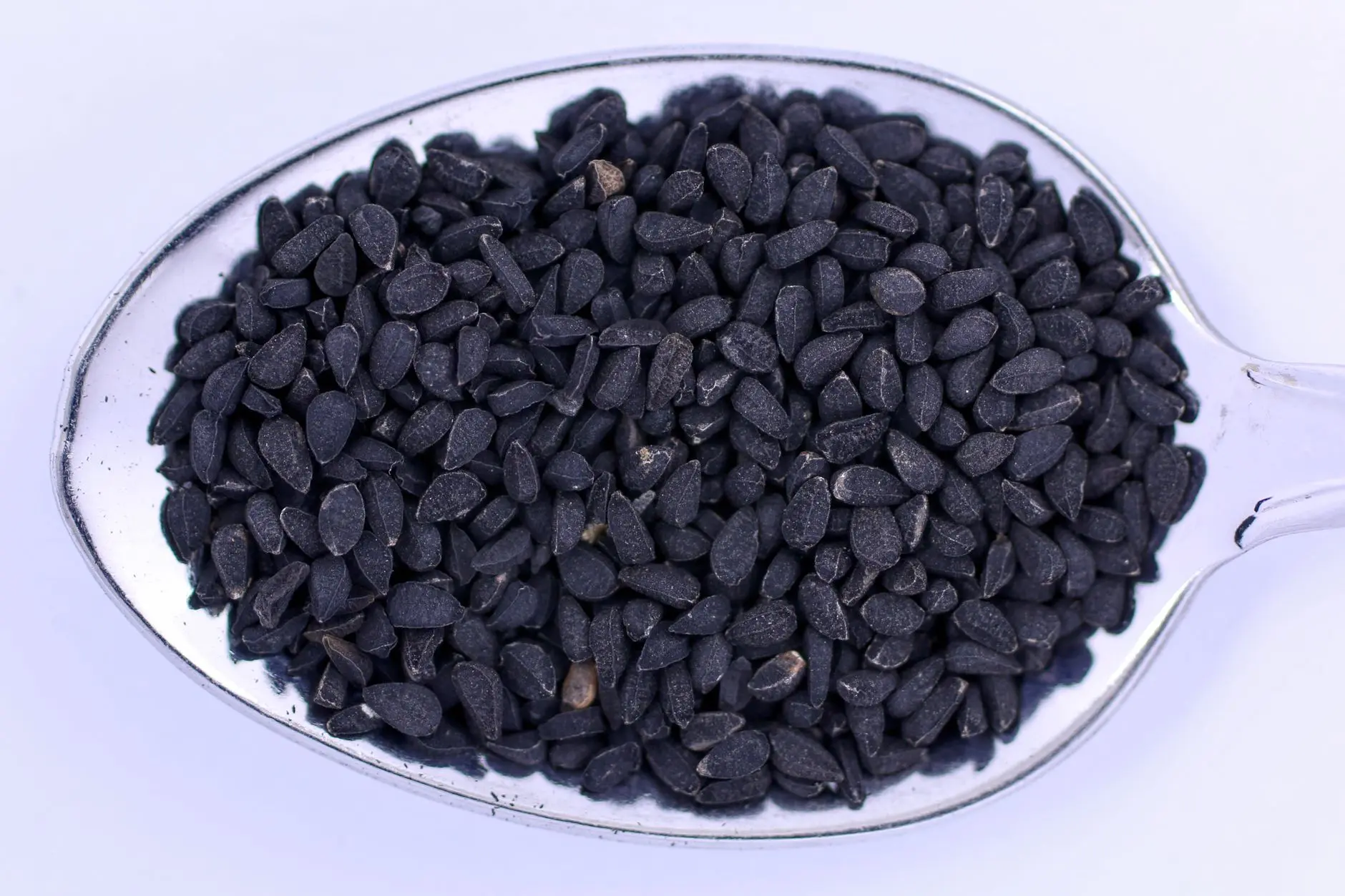
Nigella seeds are the small, matte-black, angular seeds of Nigella sativa, an annual herb in the buttercup family. In the kitchen you use the dried mature seeds, most often whole.
They are often misnamed as black onion seeds or black cumin, but they are botanically distinct. Cold-pressed black seed oil from these seeds is used in traditional wellness practices and topical formulations.
Flavour and aroma
Raw kalonji is astringent and distinctly bitter. Crush a few and you get a sharp, peppery hit reminiscent of oregano and cracked peppercorns. Gentle toasting or frying in hot oil shifts it to a warm, toasted nutty aroma with notes of onion, oregano, and black pepper.
Cooking with it
When to add it
For everyday cooking, add whole kalonji to hot oil or ghee during tadka so the volatile oils infuse the fat. You can also mix the seeds straight into doughs and batters for snacks and flatbreads.
It is one of the five whole spices in panch phoron. Press the seeds onto naans, kulchas, and parathas, knead into samosa, mathri, or nimki doughs, and use in North Indian pickling mixes for mango, chili, or lemon achaar.
Origin and where it grows
Indigenous to Southwest Asia and the eastern Mediterranean, Nigella sativa has been cultivated for culinary and medicinal uses since antiquity. In India it is commercially grown in Rajasthan, Madhya Pradesh, Bihar, Punjab, Assam, and West Bengal.
Grown in
Buying and storing
Storage
Store whole nigella seeds in an airtight glass or food-grade stainless container in a cool, dry, dark pantry away from moisture.
Nutrition
Nigella seeds contain significant concentrations of thymoquinone, the primary bioactive phytochemical associated with the seed's antioxidant activity.
Frequently asked questions
Are nigella seeds the same as black cumin or onion seeds?
No. They are the seeds of Nigella sativa in the buttercup family and are botanically distinct from true cumin and onions.
When should I add kalonji to the pan?
Add whole seeds to hot oil or ghee during tadka so their volatile oils are extracted into the cooking fat.
What does kalonji taste like, raw vs toasted?
Raw seeds are astringent and bitter; crushed they smell sharp and peppery. Gentle toasting or frying mellows the bitterness into a warm, nutty, oregano-pepper aroma.
How do I use kalonji in Indian cooking?
Use it in panch phoron, press onto naans, kulchas, and parathas, knead into samosa, mathri, or nimki doughs, and add to North Indian pickling spice mixes.
What are some regional names for nigella seeds?
Bengali: Kalo Jeere; Tamil: Karunjeeragam; Telugu: Nalla Jeelakarra; Malayalam: Karinjeerakam; Kannada: Kari Jeerige.
Related ingredients
 Spice
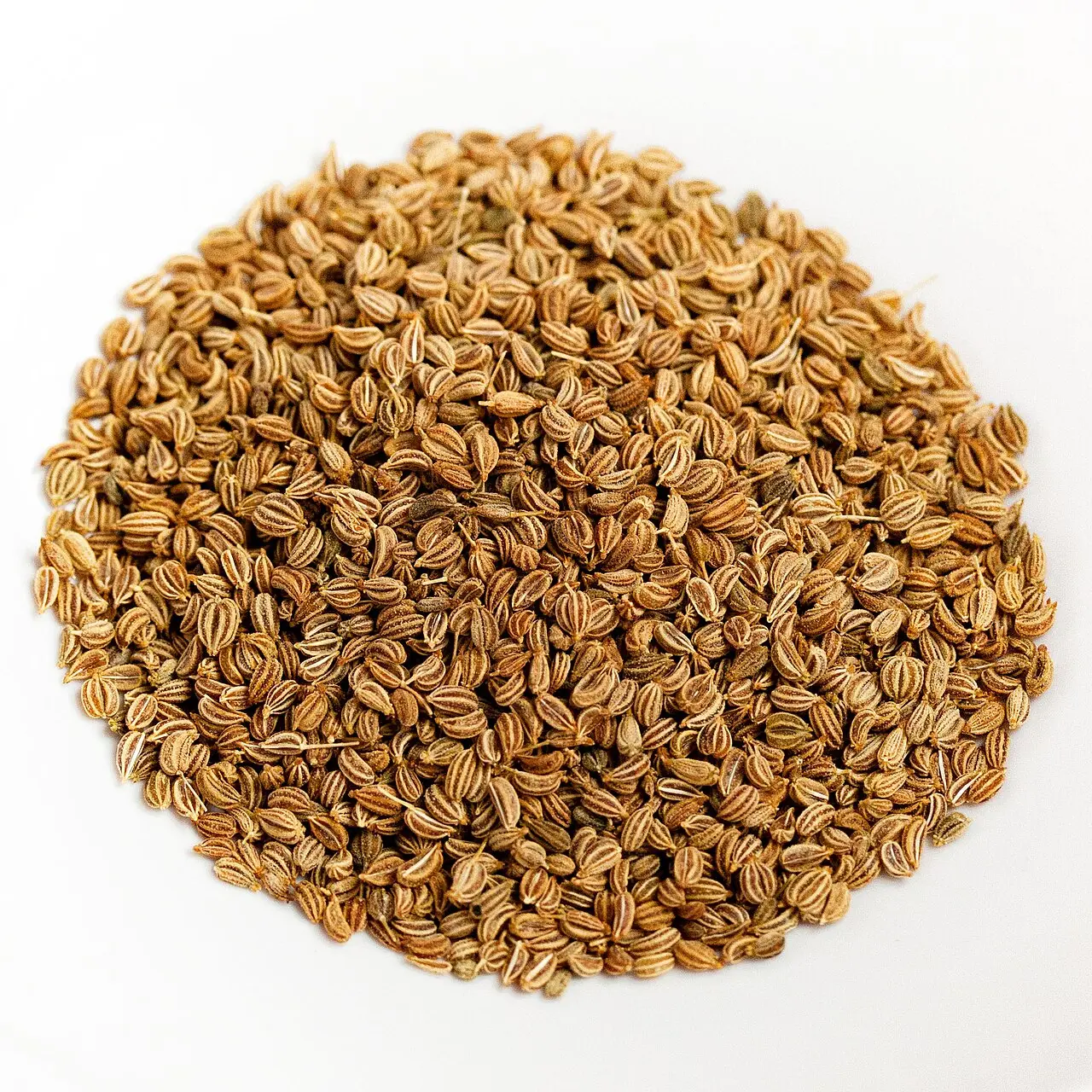
SpiceCarom seeds
अजवाइन (Ajwain)
 Spice
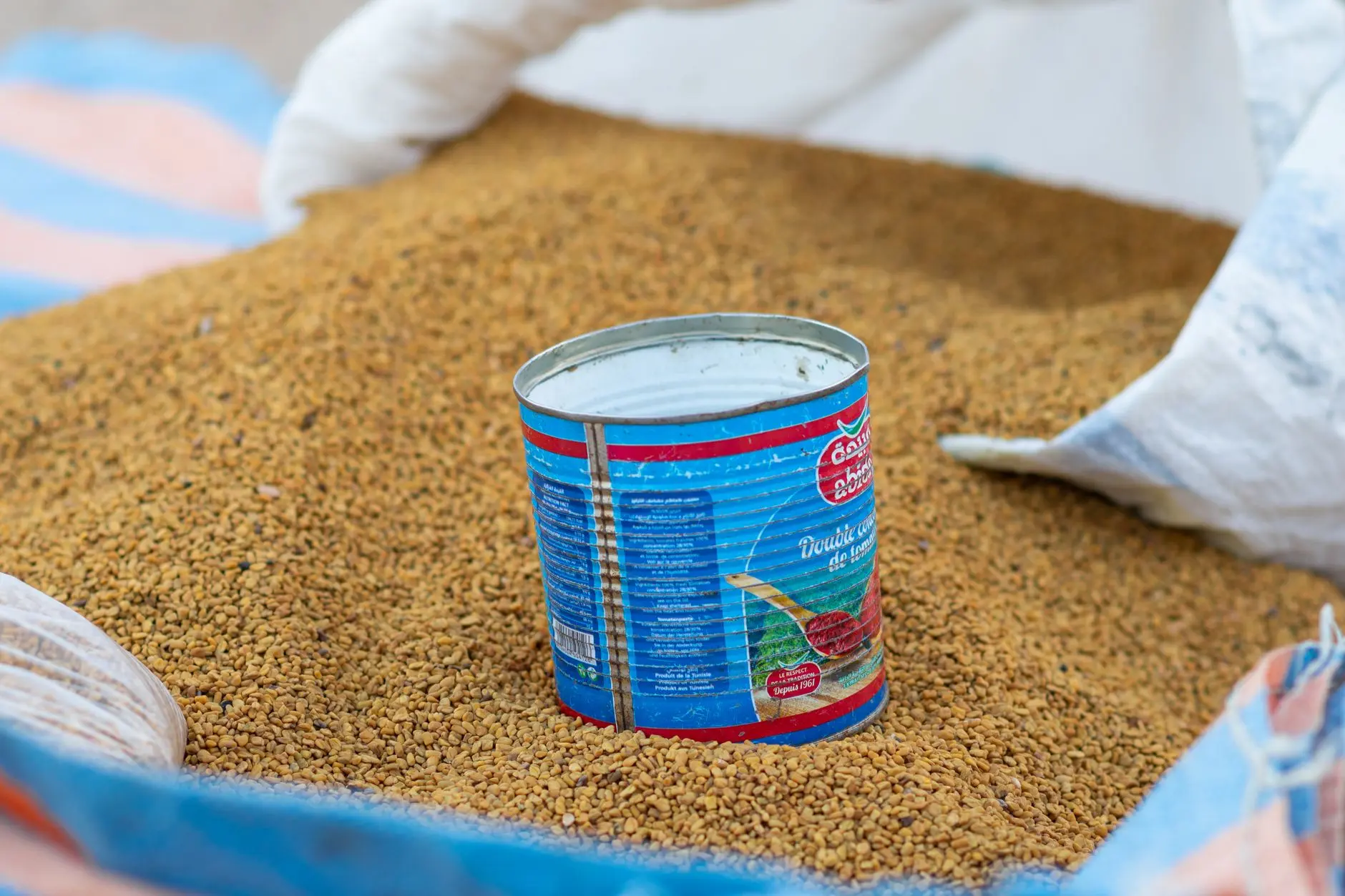
SpiceFenugreek seeds
मेथी दाना (Methi dana)
 Spice
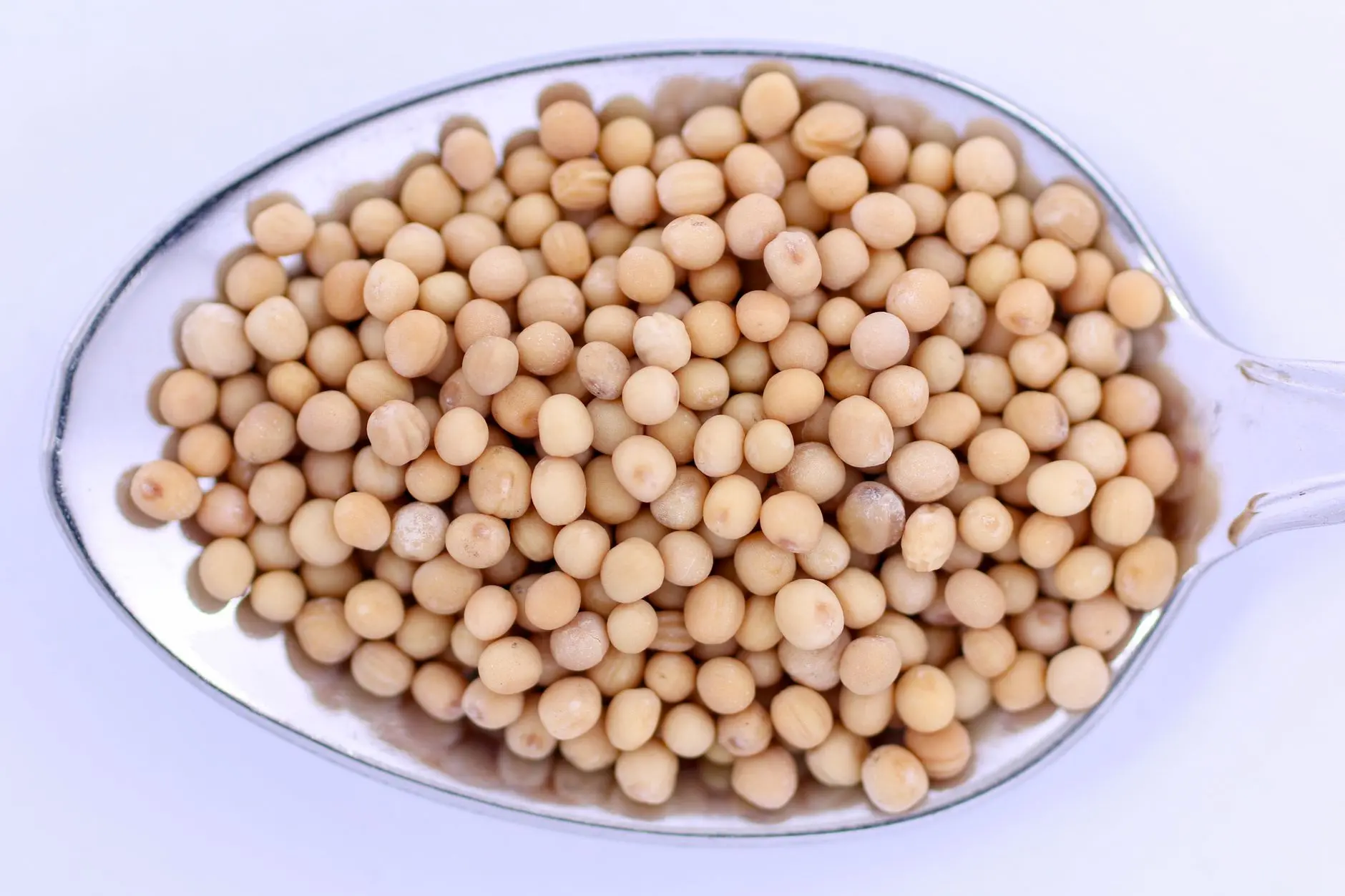
SpiceMustard seeds
राई (Rai)
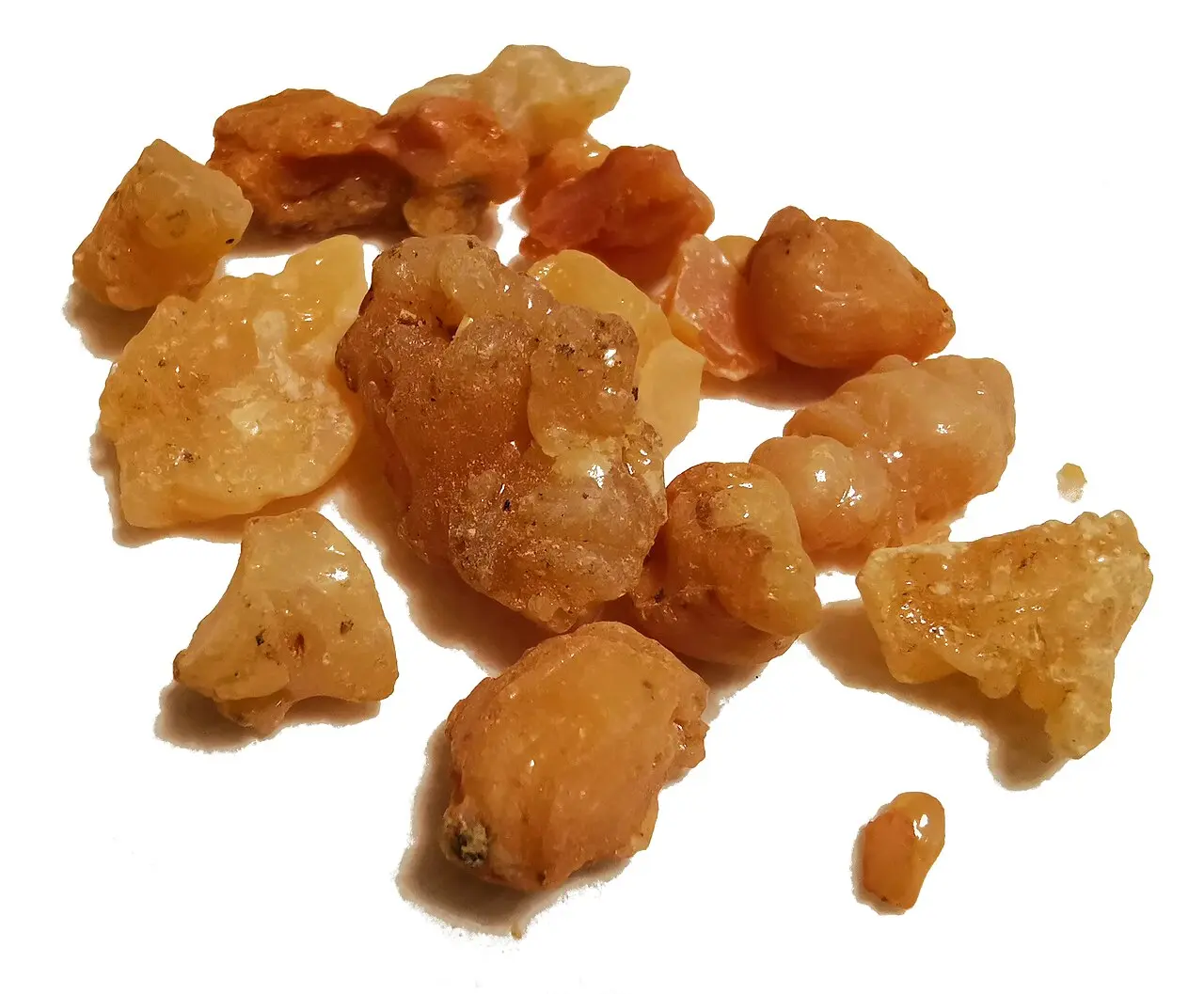 Spice
SpiceAsafoetida
हींग (Hing)
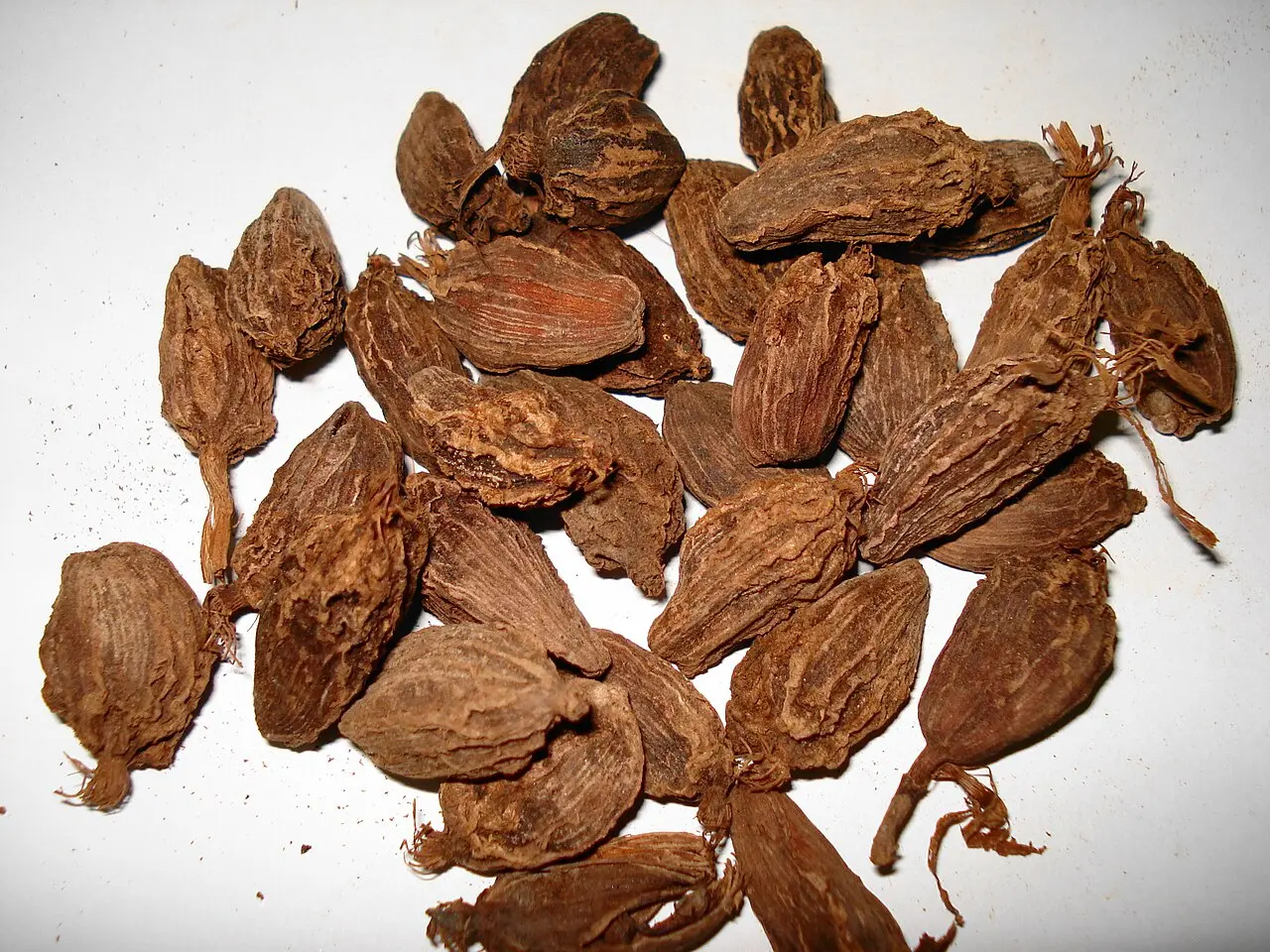 Spice
SpiceBlack cardamom
बड़ी इलायची (Badi elaichi)
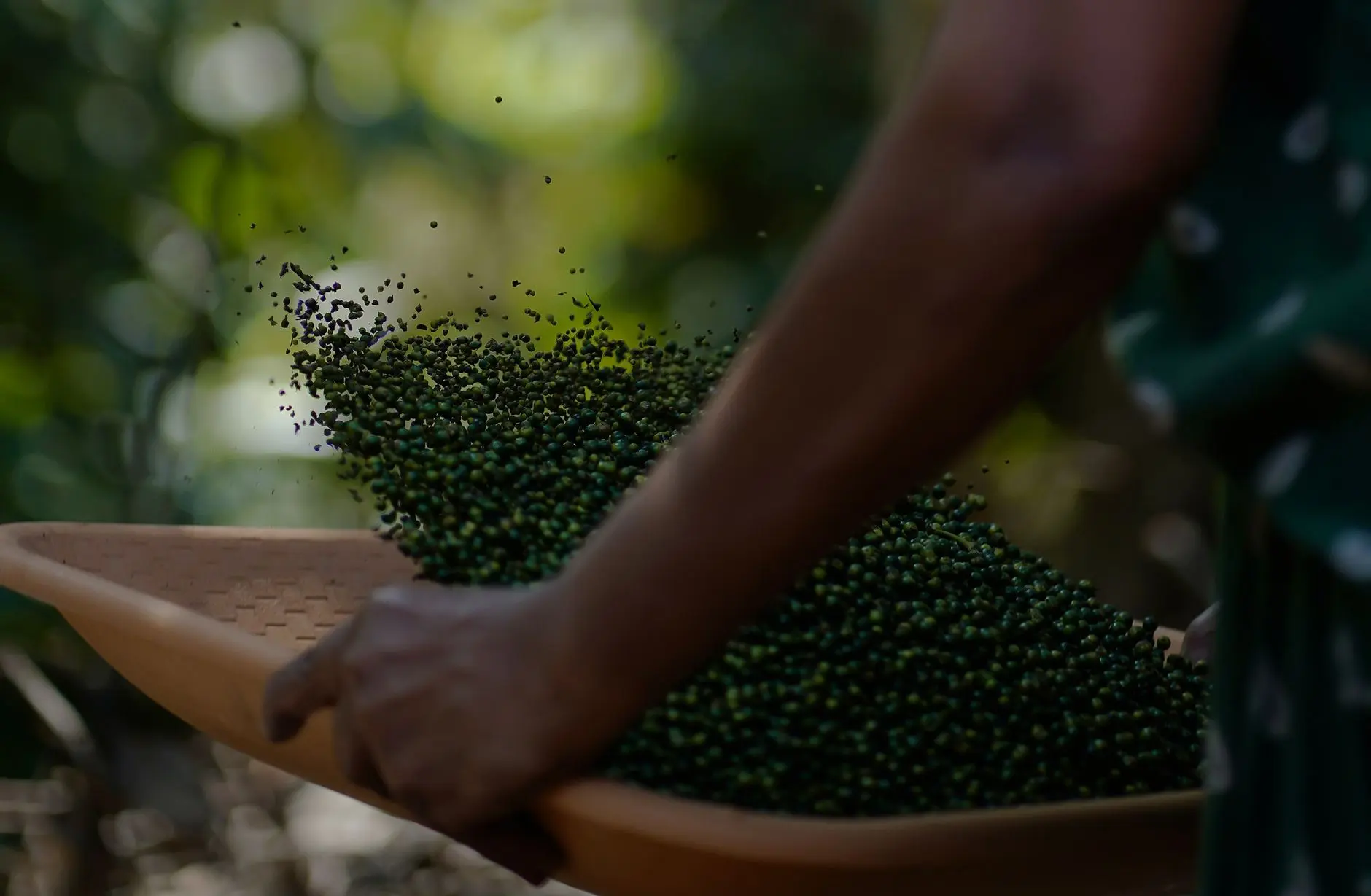 Spice
SpiceBlack pepper
काली मिर्च (Kali mirch)