
What it is
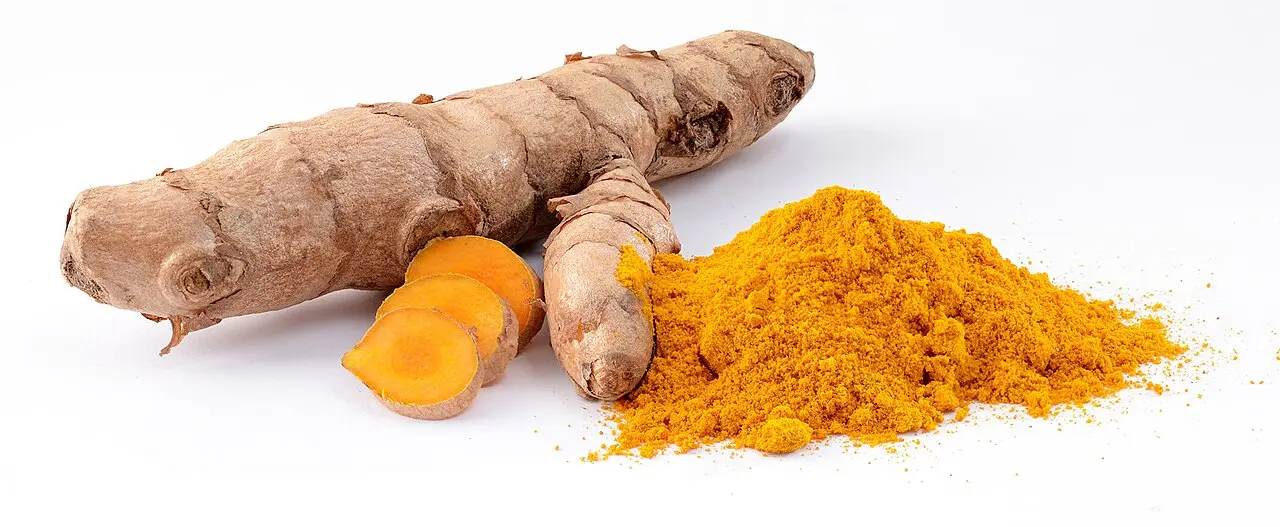
Turmeric is the underground rhizome of Curcuma longa, a perennial herbaceous plant in the ginger family (Zingiberaceae). It’s the root-like part that is dried and processed for the kitchen.
You’ll see it sold as bright orange ground powder most of the year, as whole dried fingers before grinding, seasonally as fresh rhizomes for pickles and relishes, and occasionally as fresh leaves used to wrap steamed dishes in coastal cuisines.
Flavour and aroma
Turmeric gives an earthy, gently warm and slightly peppery note to cooked dishes. Raw turmeric tastes musky, pungent and astringent, and can be bitter if used in large quantities; briefly cooking it in fat rounds off that harshness and blooms its fat‑soluble pigments.
Cooking with it
When to add it
How much to use
This is a basic everyday spice in Indian cooking — you’ll find it in lentil dals, vegetable sabzis and curry gravies for that golden colour and background warmth. Add ground turmeric to hot oil or ghee during the tadka stage to bloom its flavour quickly without burning, or simmer it directly with lentils and vegetables so the colour and taste distribute evenly.
Fresh turmeric rhizomes are grated and used in some regional dishes: in Rajasthan and Gujarat grated kacchi haldi is braised with ghee and yogurt for a seasonal curry or quick pickle. Aromatic turmeric leaves are used in Goan and Maharashtrian cooking to wrap rice‑flour and jaggery‑coconut pockets like Patoleo.
Origin and where it grows
Turmeric is native to tropical South Asia, primarily the Indian subcontinent, where it has been cultivated and used in cooking and traditional practice for over 4,000 years. It is an old, regionally embedded crop across the subcontinent.
Grown in
Notable varieties
- Lakadong TurmericGI tagged
Meghalaya
- Kandhamal HaldiGI tagged
Odisha
- Erode ManjalGI tagged
Tamil Nadu
- Waigaon TurmericGI tagged
Maharashtra
Buying and storing
How to pick good quality
High‑grade turmeric shows a saturated deep orange‑gold core when broken, gives a pungent earthy aroma, and should not smell musty or stale.
Simple adulteration check
To test for non‑permitted metanil yellow dye, suspend a sample in water and add a few drops of concentrated hydrochloric acid; an intense pink or magenta colour that persists after adding water indicates metanil yellow adulteration.
Storage
Store turmeric powder in opaque, airtight containers away from moisture and light, since ultraviolet exposure rapidly degrades the curcumin pigments and the colour.
Shelf life: Powder stays good up to one year; whole dried rhizomes keep for two to three years.
Nutrition
Turmeric contains bioactive polyphenols called curcuminoids (principally curcumin) and also provides minerals including iron and manganese.
Frequently asked questions
What exactly is turmeric (haldi)?
Turmeric is the underground rhizome of the plant Curcuma longa, a perennial in the ginger family; the rhizome is dried and ground or used fresh in cooking.
When should I add turmeric to a tadka or dal?
Ground turmeric is often added to hot oil or ghee during the tadka so it blooms quickly without burning; it’s also commonly simmered directly with lentils or vegetables to infuse colour and flavour.
How much turmeric for a family-sized dish?
A typical home‑cooked dish for four people uses about one‑quarter to one‑half teaspoon of ground turmeric.
How can I check if my turmeric is adulterated?
Suspend a sample in water and add a few drops of concentrated hydrochloric acid; if an intense pink or magenta colour appears and persists after adding water, it indicates metanil yellow adulteration.
How should I store turmeric and how long does it keep?
Keep powder in opaque, airtight containers away from moisture and light; sealed powder keeps its flavour and colour for up to one year, while whole dried rhizomes last two to three years.
Related ingredients
 Spice
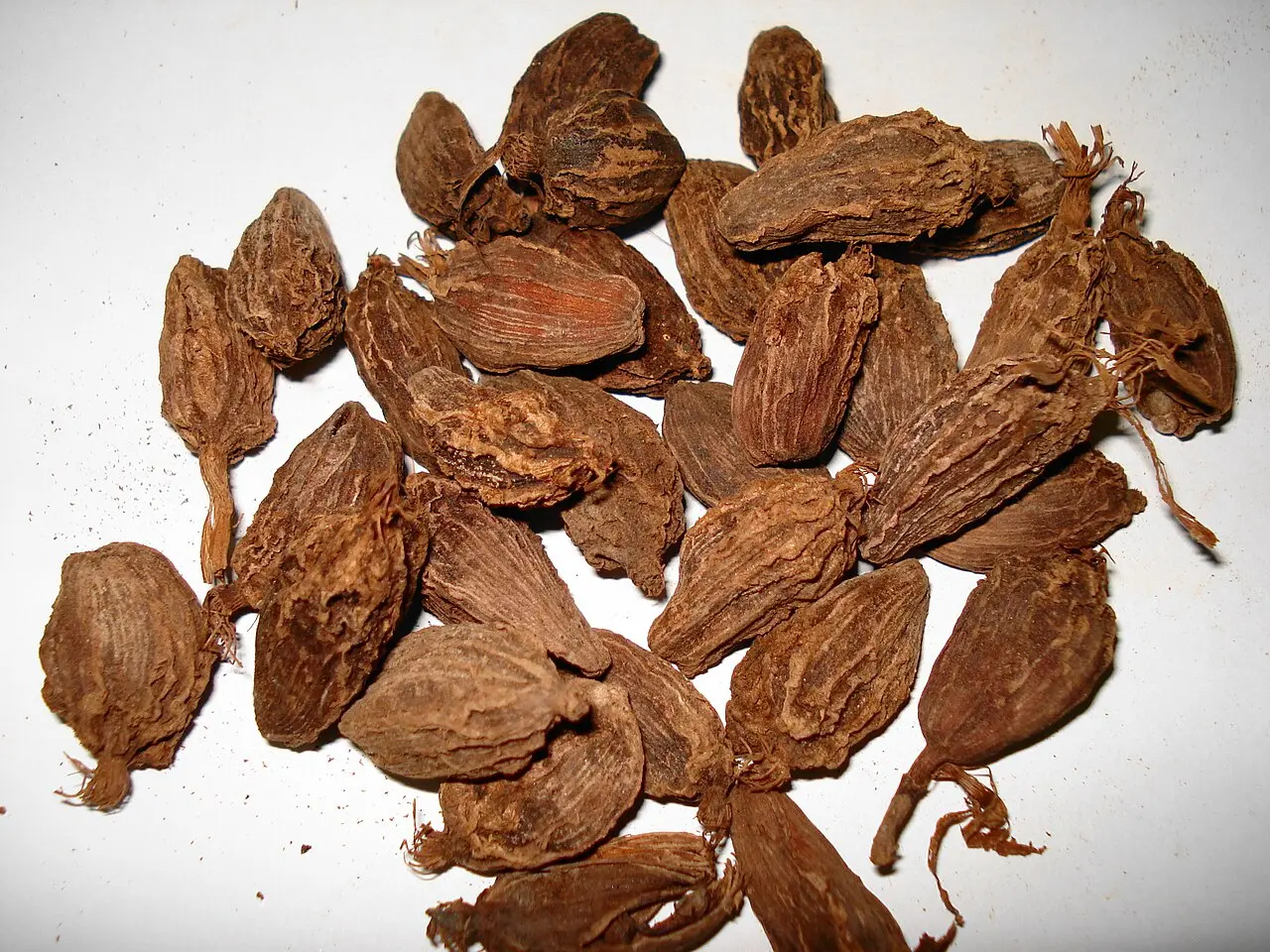
SpiceBlack cardamom
बड़ी इलायची (Badi elaichi)
 Spice
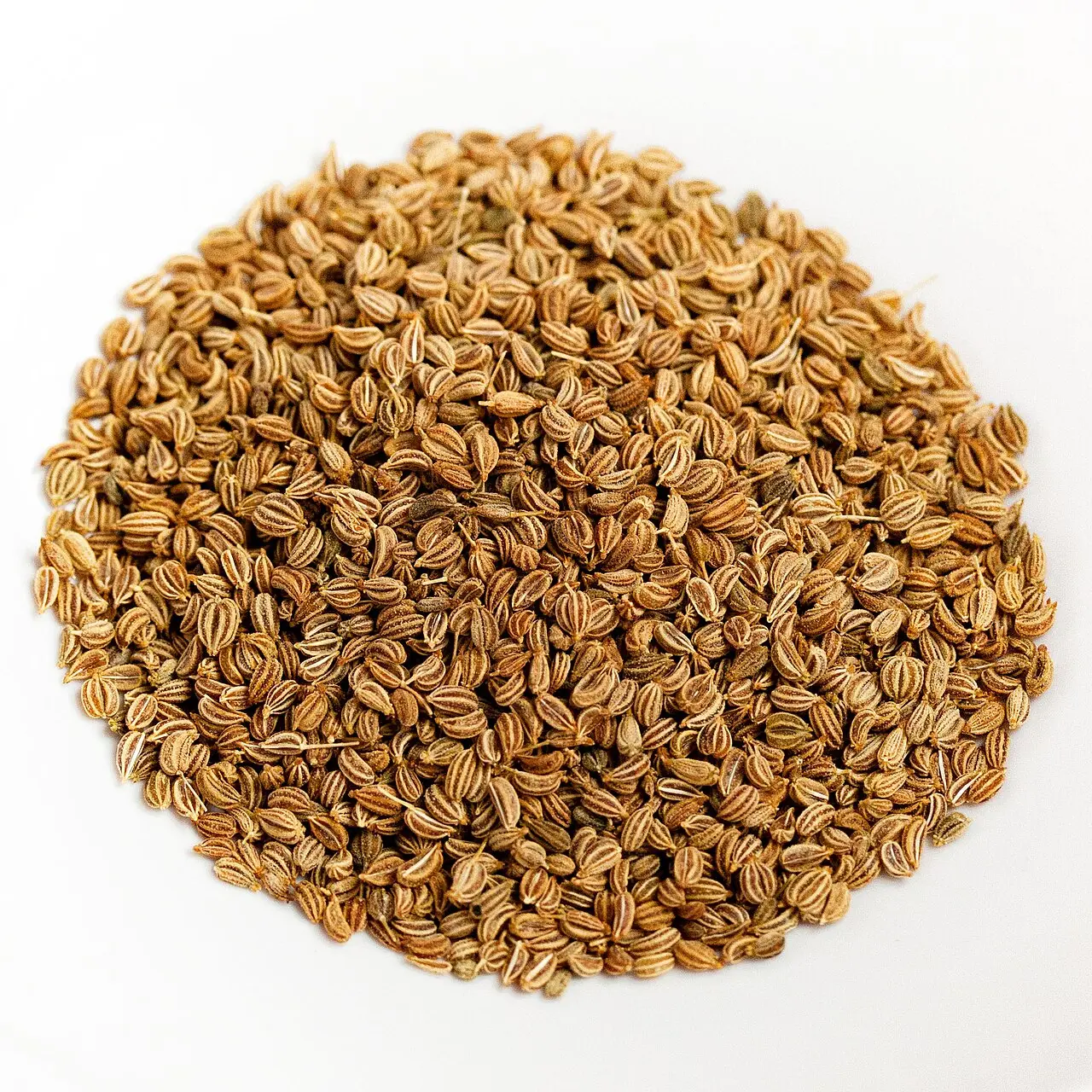
SpiceCarom seeds
अजवाइन (Ajwain)
 Spice
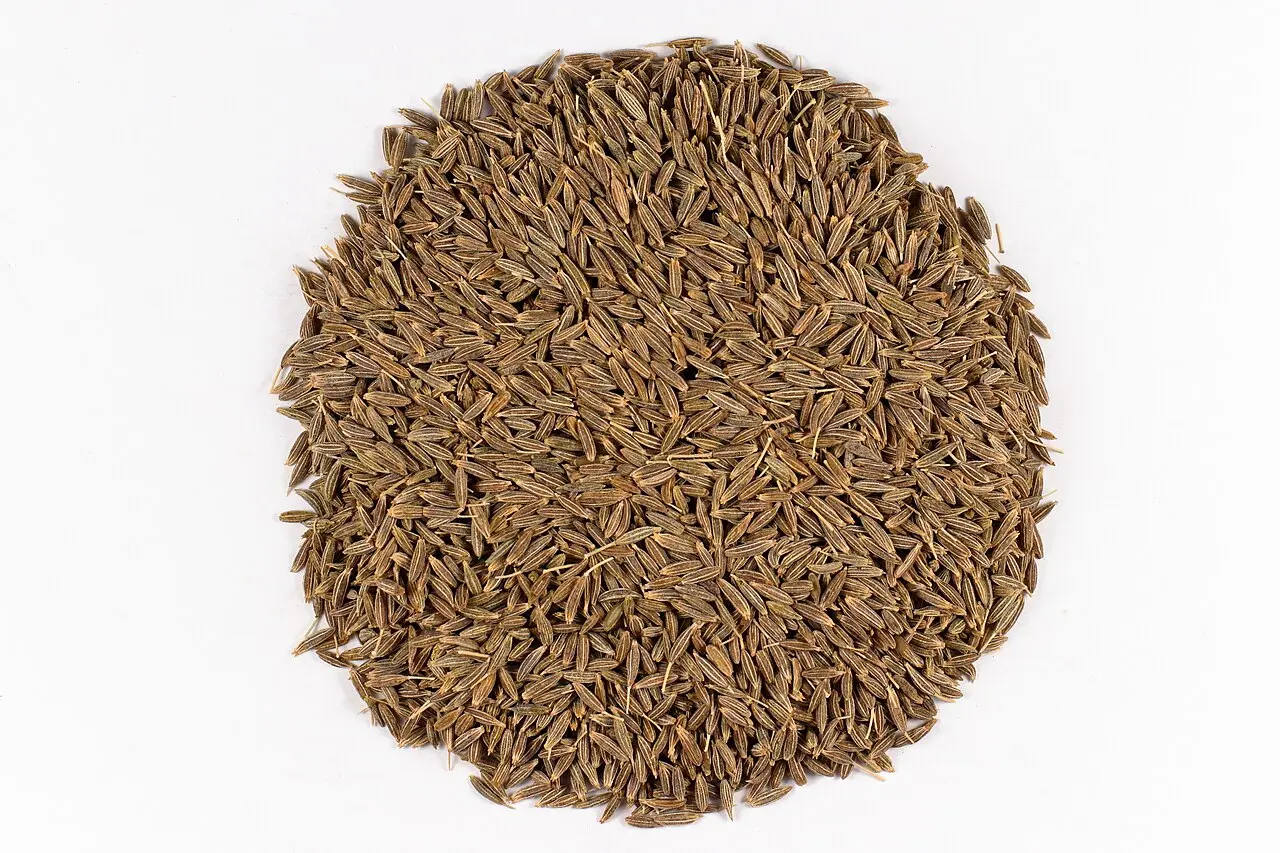
SpiceCumin seeds
जीरा (Jeera)
 Spice
SpiceFenugreek seeds
मेथी दाना (Methi dana)
 Spice
SpiceKashmiri red chilli
कश्मीरी लाल मिर्च (Kashmiri lal mirch)
 Spice
SpiceKasuri methi
कसूरी मेथी (Kasuri methi)