
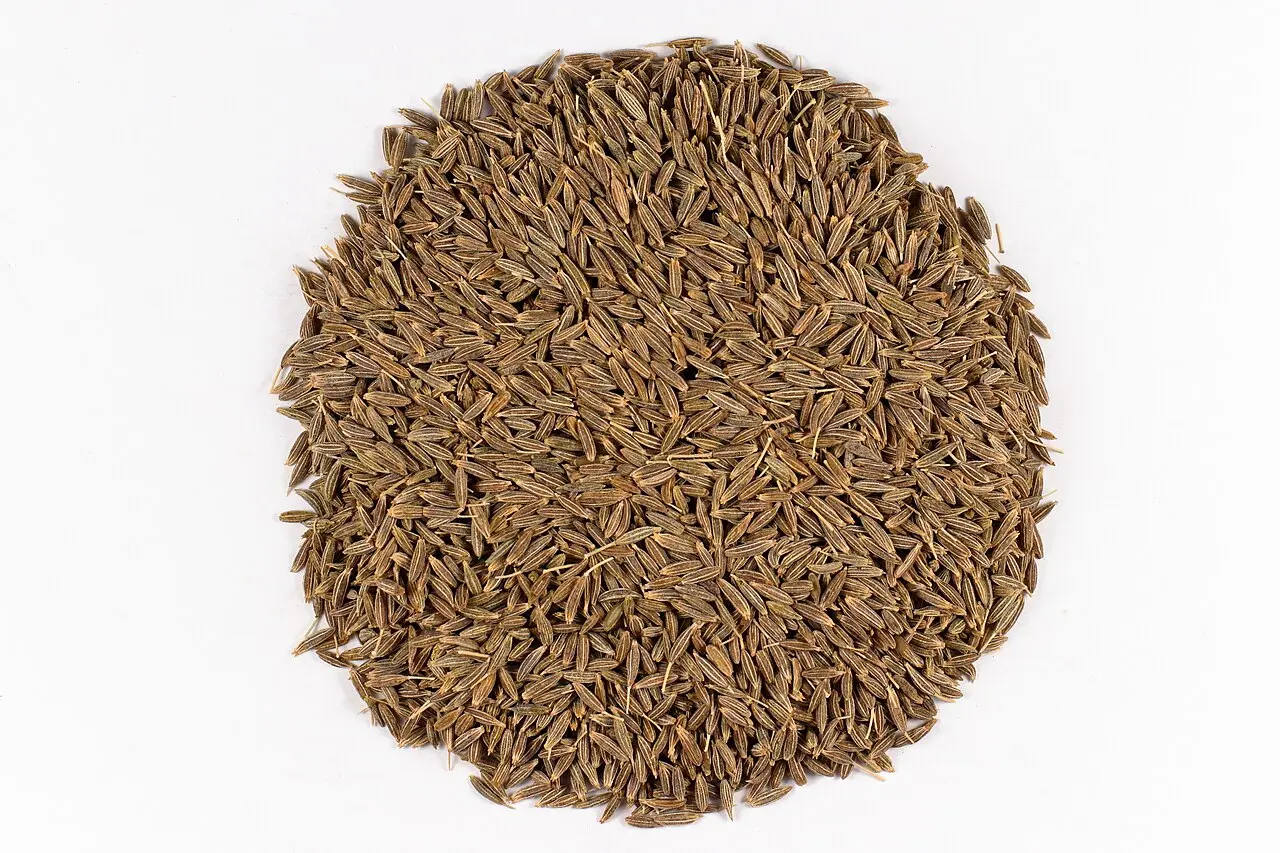
What it is
Cumin consists of the dried schizocarp fruit or seeds of Cuminum cyminum, an annual herbaceous plant in the family Apiaceae.
Across India it goes by many local names: Seeragam in Tamil, Jeelakarra in Telugu, Jeerige in Kannada, Jeerakam in Malayalam and Jeere in Bengali, while Hindi speakers call it jeera (जीरा).
Flavour and aroma
Tempering cumin in hot fat extracts its essential oil cuminaldehyde, replacing raw bitterness with a rich, nutty, savory aroma. Toasting or dry-roasting the seeds deepens that aroma, bringing out smoky and nutty notes and a warm, earthy backbone.
Cooking with it
When to add it
How much to use
Use whole cumin seeds right at the start of tadka: they are frequently sizzled in hot ghee or oil to infuse the fat and the dish. Whole seeds are the defining element in jeera rice, where they are fried in ghee before rice is added.
Grind cumin into a fine powder for spice mixes and gravies, and toss whole seeds into doughs for kachoris, mathris and parathas. Whole or roasted ground cumin also flavors cooling drinks like spiced buttermilk and jaljeera. Whole cumin is one of the five seeds in eastern India’s panch phoron.
Origin and where it grows
Cumin is native to the Mediterranean basin through southwestern and southern Asia. Archaeological evidence shows it has been used since antiquity across those regions.
Grown in
Notable varieties
- Unjha CuminGI tagged
Gujarat
Buying and storing
How to pick good quality
High-grade cumin seeds are uniform, plump, greenish-brown, and exude a distinct pungent aroma when crushed between two fingers.
Simple adulteration check
According to the FSSAI DART manual, rubbing cumin seeds between the palms will leave black stains if grass seeds tinted with charcoal dust have been added.
Storage
Keep cumin in an airtight container in a cool, dark, dry cupboard to protect its volatile oils from degrading.
Nutrition
Cumin is a dense dietary source of non-heme iron and provides notable amounts of calcium, magnesium, and dietary fiber.
Frequently asked questions
When should I add jeera for tadka?
Whole cumin is typically sizzled in hot ghee or oil at the very beginning of the tadka stage to infuse the fat.
Should I use whole seeds or cumin powder?
Use whole seeds for tempering and to infuse oils, and grind cumin into a fine powder for spice mixes and gravies.
How much cumin do I use for a four‑serving curry or dal?
Standard home recipes usually call for half to one teaspoon of whole cumin seeds for tempering a four‑serving curry or dal.
How can I check if cumin has been adulterated?
Rubbing cumin seeds between the palms will leave black stains if grass seeds tinted with charcoal dust have been added, per the FSSAI DART manual.
Related ingredients
 Spice
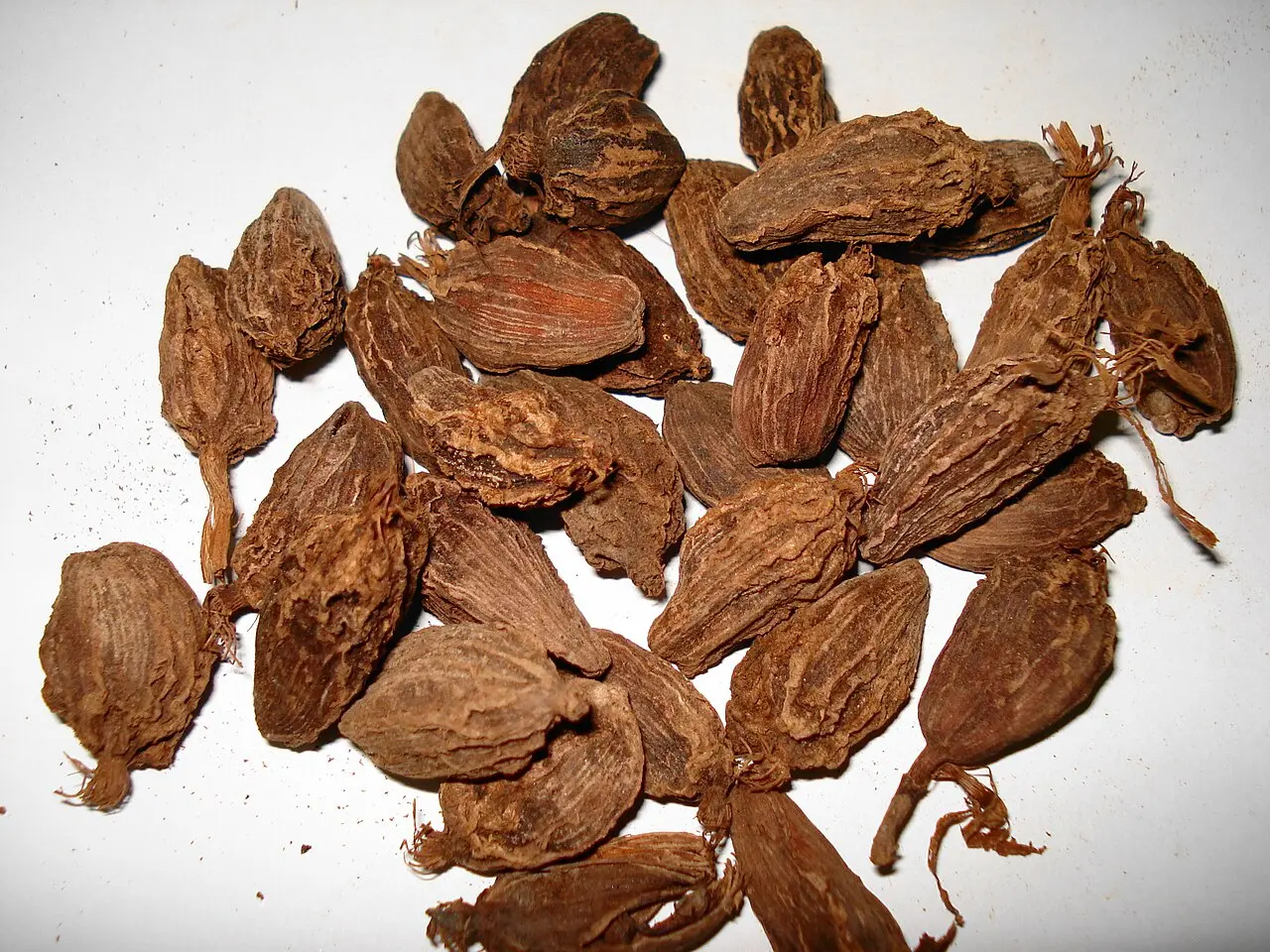
SpiceBlack cardamom
बड़ी इलायची (Badi elaichi)
 Spice
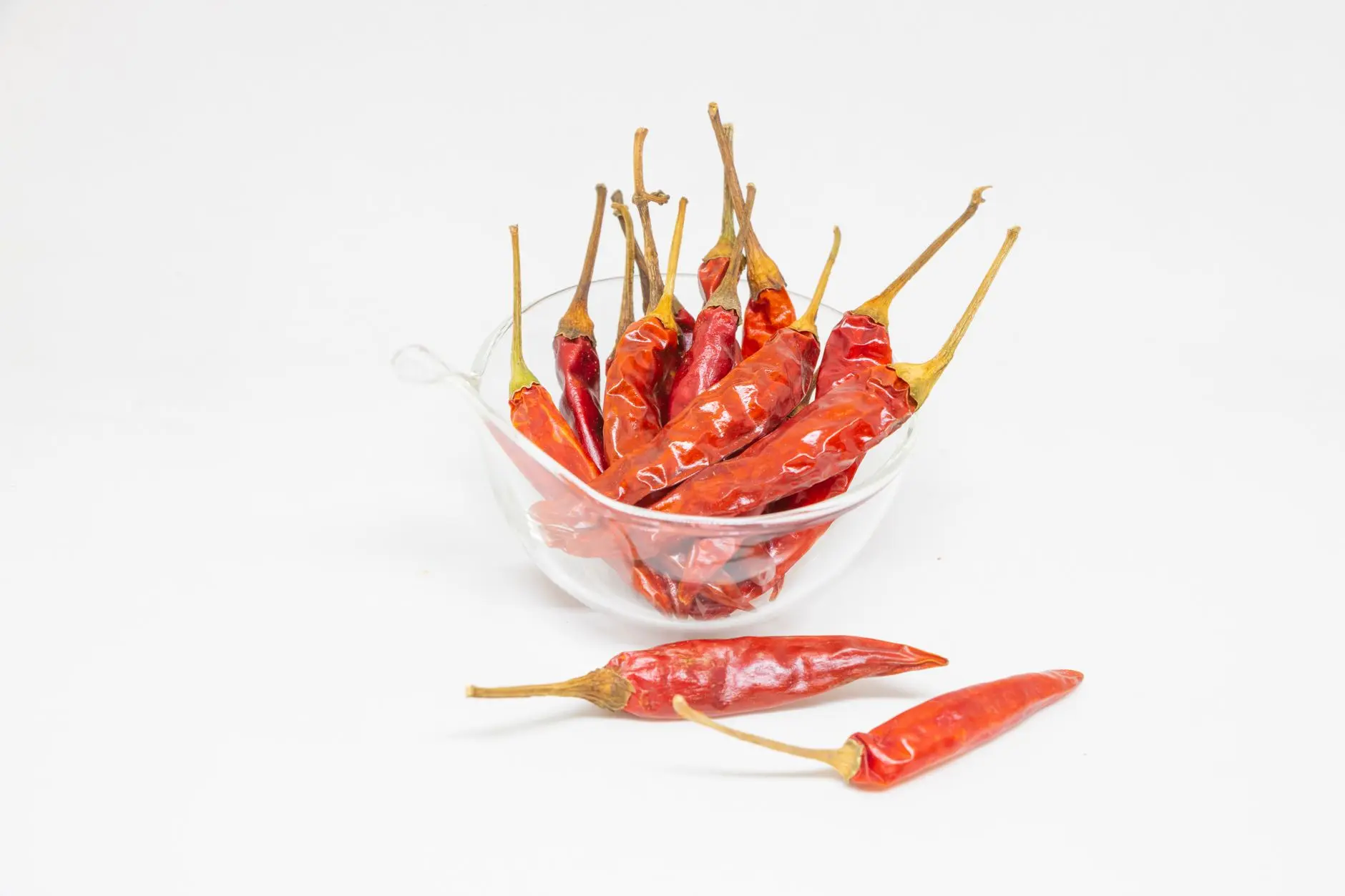
SpiceKashmiri red chilli
कश्मीरी लाल मिर्च (Kashmiri lal mirch)
 Spice
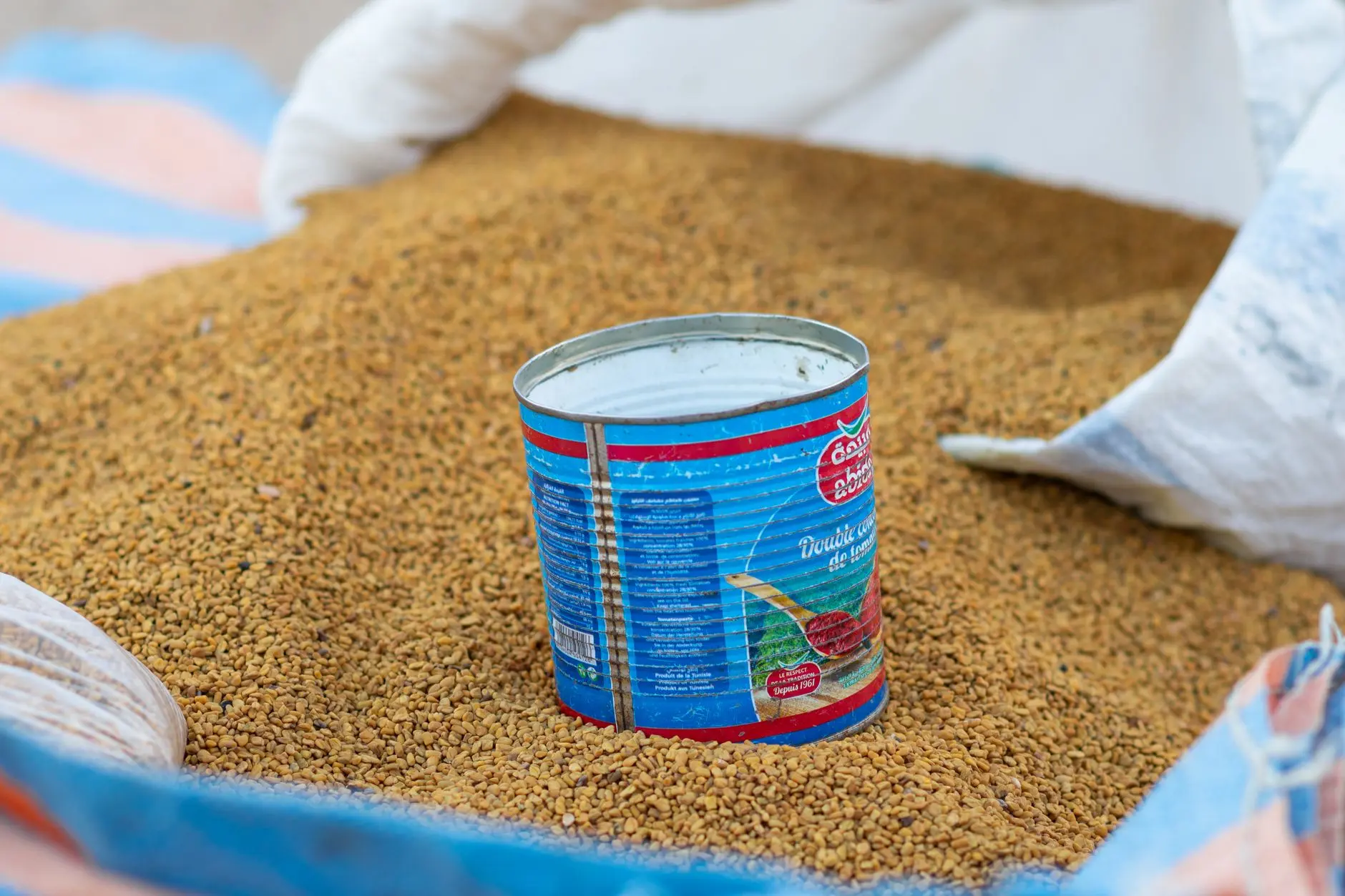
SpiceFenugreek seeds
मेथी दाना (Methi dana)
 Spice
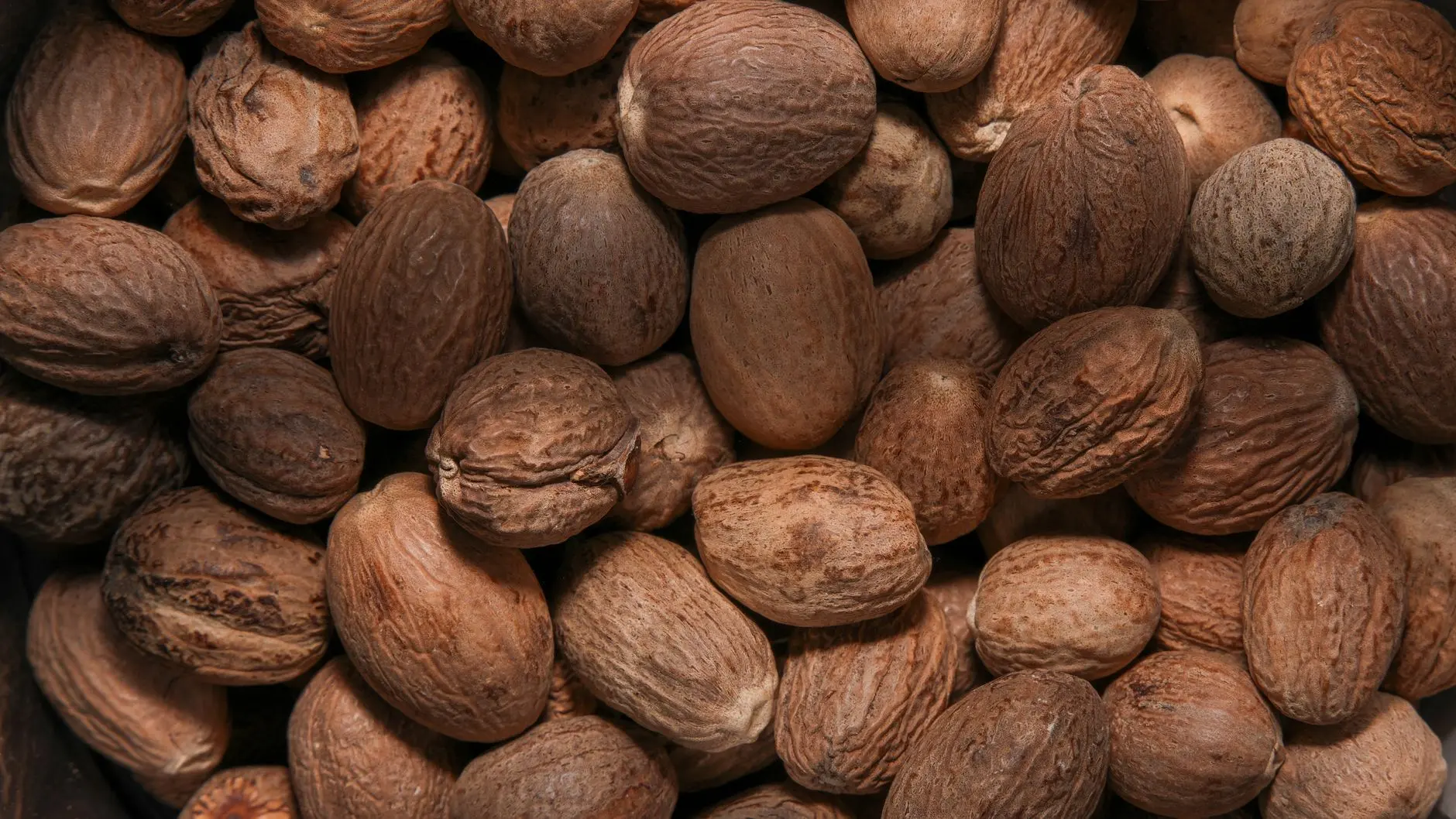
SpiceNutmeg
जायफल (Jaiphal)
 Spice
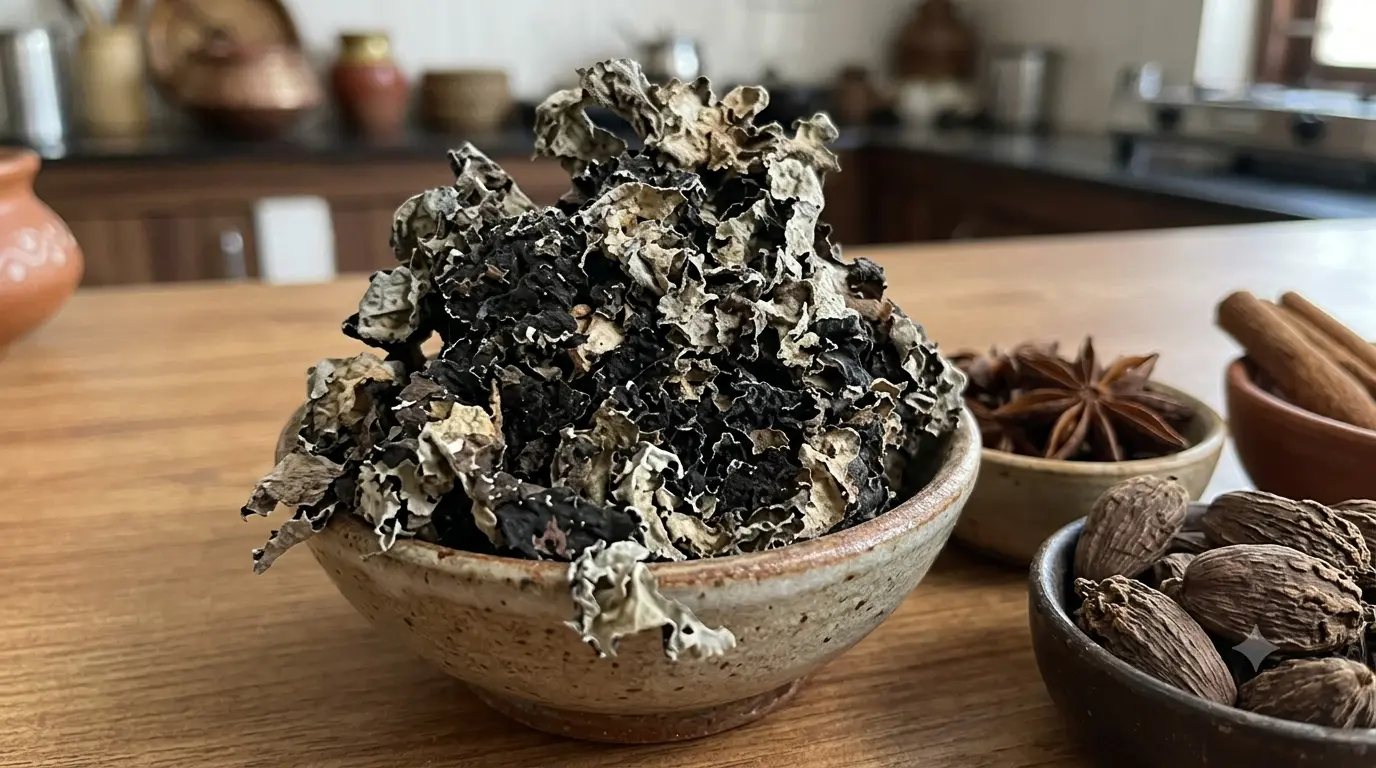
SpiceStone flower
पत्थर फूल (Patthar phool)
 Spice
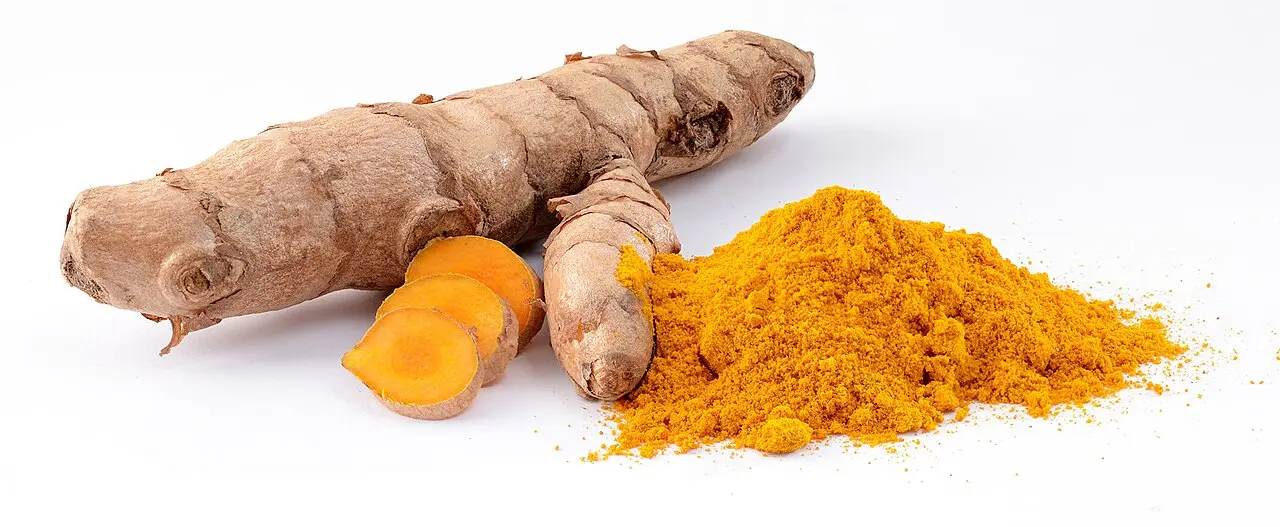
SpiceTurmeric
हल्दी (Haldi)