
What it is
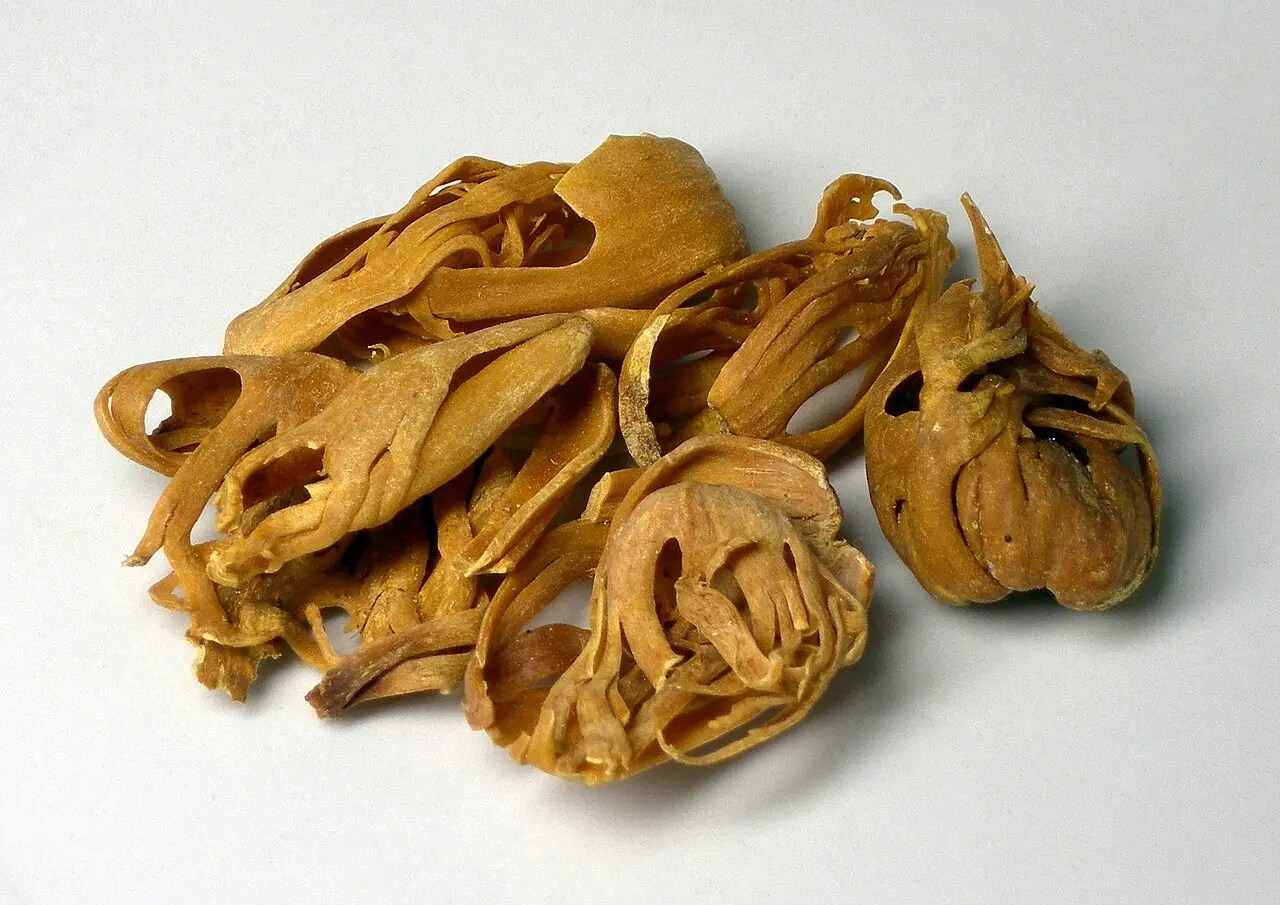
Mace is the dried, lacy aril that encases the hard shell of the nutmeg seed from the evergreen Myristica fragrans tree. In Hindi you’ll hear it called Javitri.
Across India it’s also known as Jathipathri (Malayalam), Jaadipathri (Tamil), Japathri (Telugu), Jayipatre (Kannada), and Jaypatri (Marathi). You’ll find it as whole blades or ground into a reddish-orange powder; the fresh crimson arils are cured and dried before use.
Flavour and aroma
Warm and aromatic, Javitri perfumes slow-cooked dishes without overpowering. Its taste is reminiscent of nutmeg, but brighter, lighter, and more delicate.
Cooking with it
When to add it
For whole blades, add a blade to hot ghee or oil during tadka to gently release the volatile aromatic oils. You can also simmer a blade in broths, rich gravies, or biryani rice so the aroma moves through the pot.
Use ground mace in marinades for Awadhi kebabs so the fragrance permeates the meat. As a finishing touch, sprinkle finely powdered mace into rich gravies or fold it into your garam masala blend.
Substitutes
- Nutmeguse slightly less grated nutmeg as it is denser and sweeter
Origin and where it grows
The nutmeg and mace tree Myristica fragrans is indigenous to the Banda Islands in Indonesia’s Maluku archipelago. In India, Kerala is the predominant producer of nutmeg and mace. Tamil Nadu also cultivates it in districts such as Kanyakumari, Tirunelveli, and Coimbatore. Karnataka commercially grows it along the coastal and Western Ghats belts.
Grown in
Buying and storing
Simple adulteration check
FSSAI standards require mace to be derived exclusively from Myristica fragrans. Check labels and avoid any product that mentions Bombay mace or added artificial color.
Storage
Store mace in an airtight glass container in a cool, dark, and dry pantry to prevent the evaporation of volatile oils.
Nutrition
Mace provides dietary fiber, copper, magnesium, calcium, and iron alongside bioactive compounds like myristicin.
Frequently asked questions
What is Javitri (mace)?
It is the dried, lacy aril that encases the hard shell of the nutmeg seed from the Myristica fragrans tree.
How is mace different from nutmeg? Can I substitute it?
Mace tastes like nutmeg but is brighter, lighter, and more delicate. You can substitute grated nutmeg, using slightly less because it is denser and sweeter.
When should I add mace while cooking?
Add a whole blade to hot ghee or oil during tadka, or let it simmer in broths, gravies, or biryani rice. Use ground mace in meat marinades for Awadhi kebabs, or as a finishing spice in garam masala blends or rich gravies.
Where does mace come from and who produces it in India?
It originates from the Banda Islands in Indonesia. In India, Kerala is the predominant producer, with cultivation also in Tamil Nadu (Kanyakumari, Tirunelveli, Coimbatore) and Karnataka along the coastal and Western Ghats belts.
How should I store mace?
Keep it in an airtight glass container in a cool, dark, and dry pantry to protect its volatile oils.
Related ingredients
 Spice
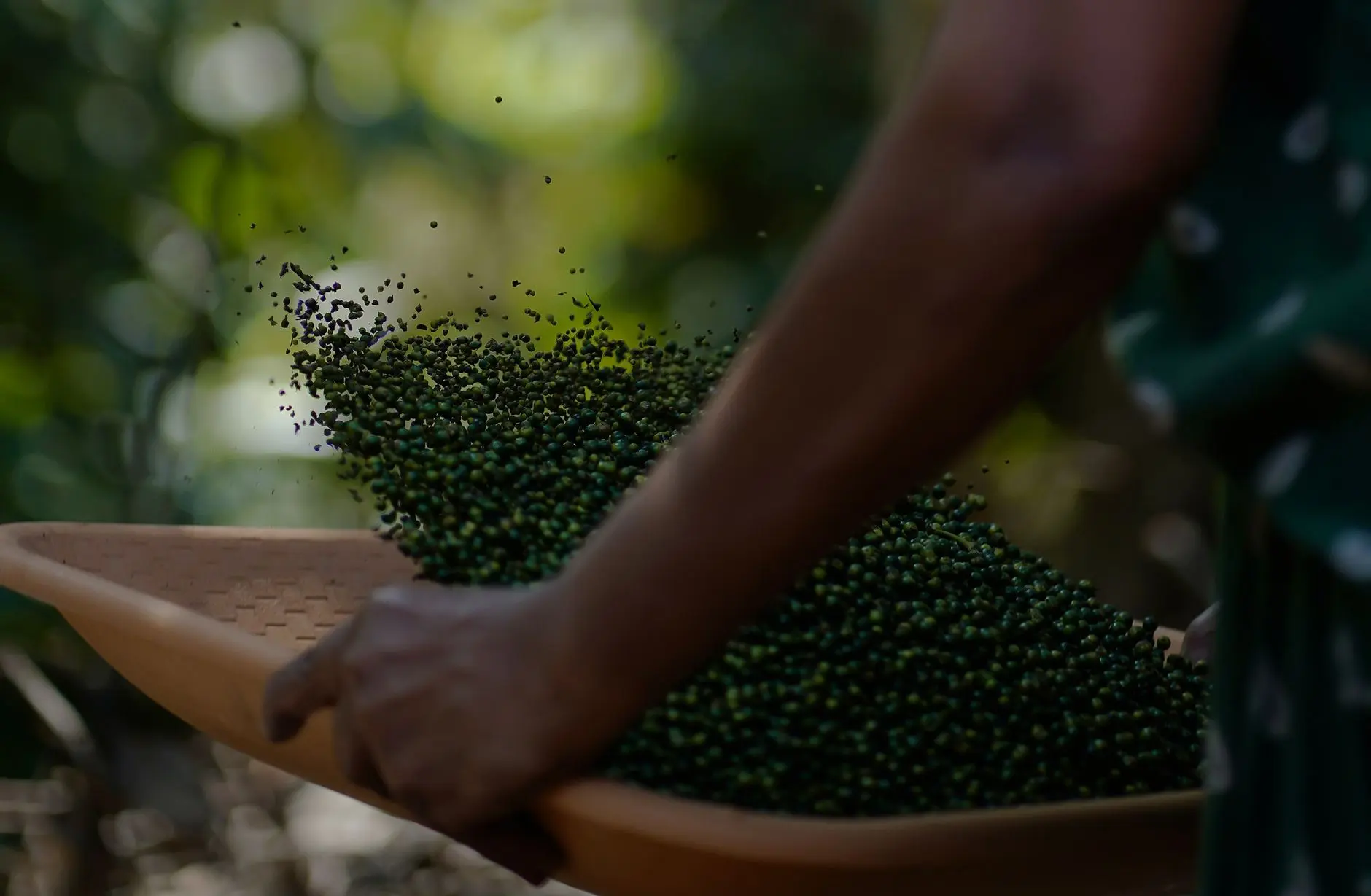
SpiceBlack pepper
काली मिर्च (Kali mirch)
 Spice
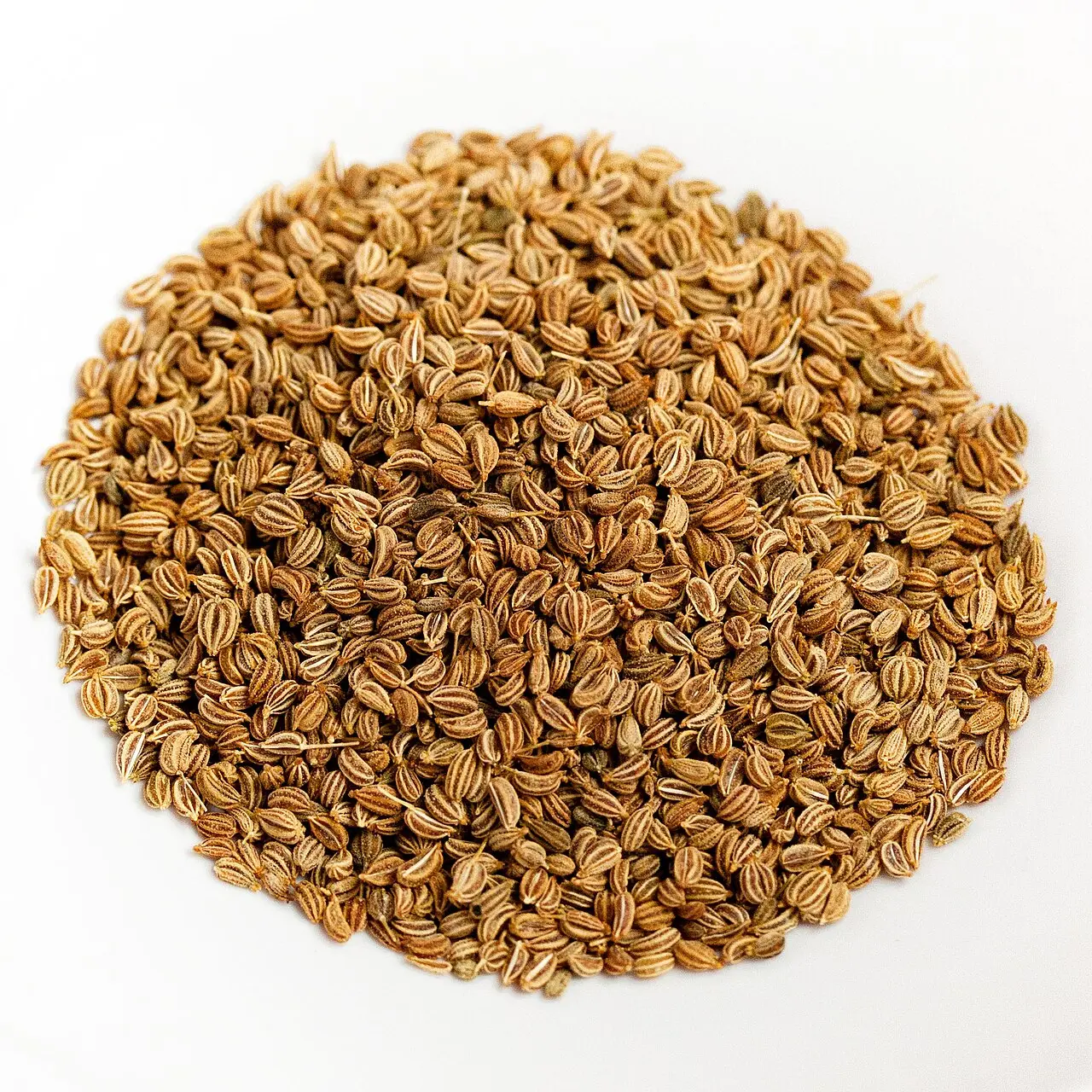
SpiceCarom seeds
अजवाइन (Ajwain)
 Spice
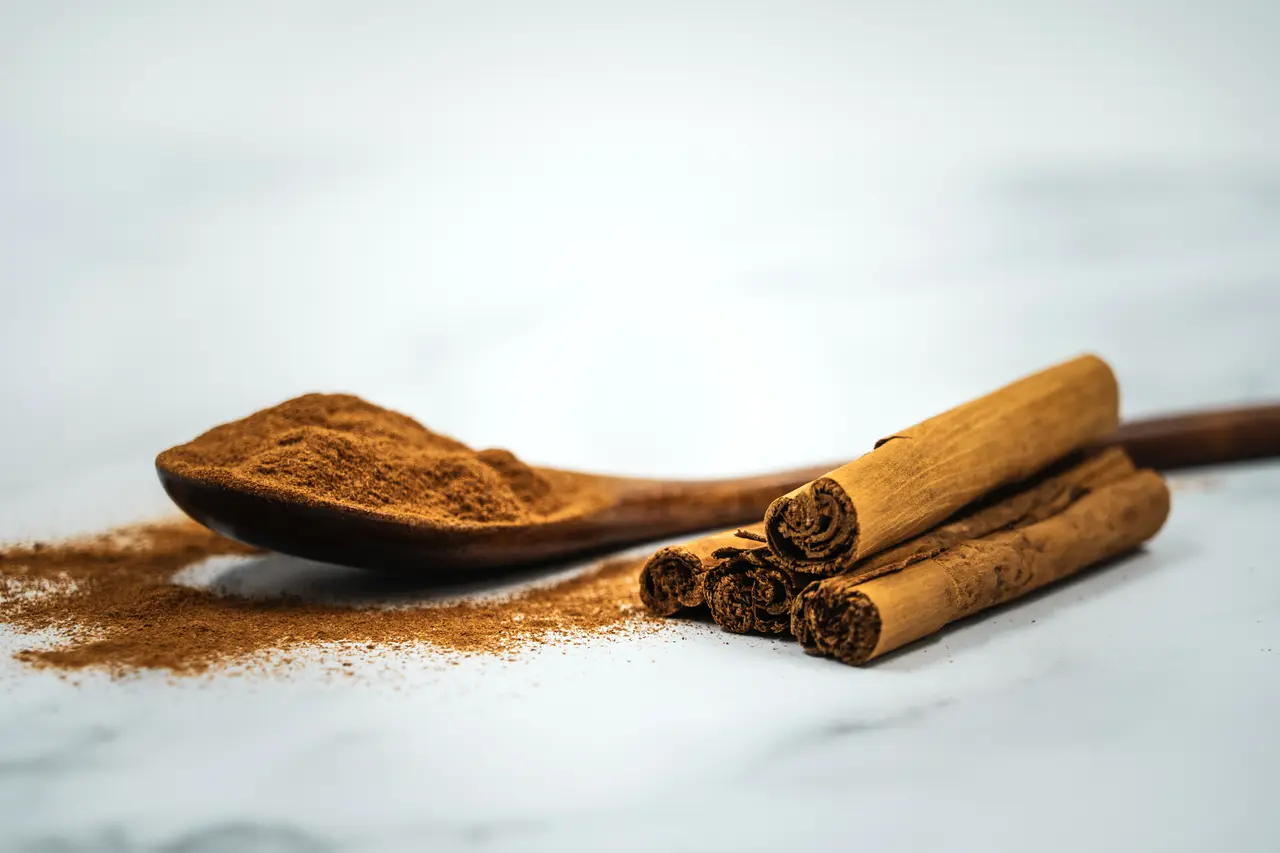
SpiceCinnamon
दालचीनी (Dalchini)
 Spice
SpiceClove
लौंग (Laung)
 Spice
SpiceIndian bay leaf
तेज पत्ता (Tej patta)
 Spice
SpiceNutmeg
जायफल (Jaiphal)