
What it is
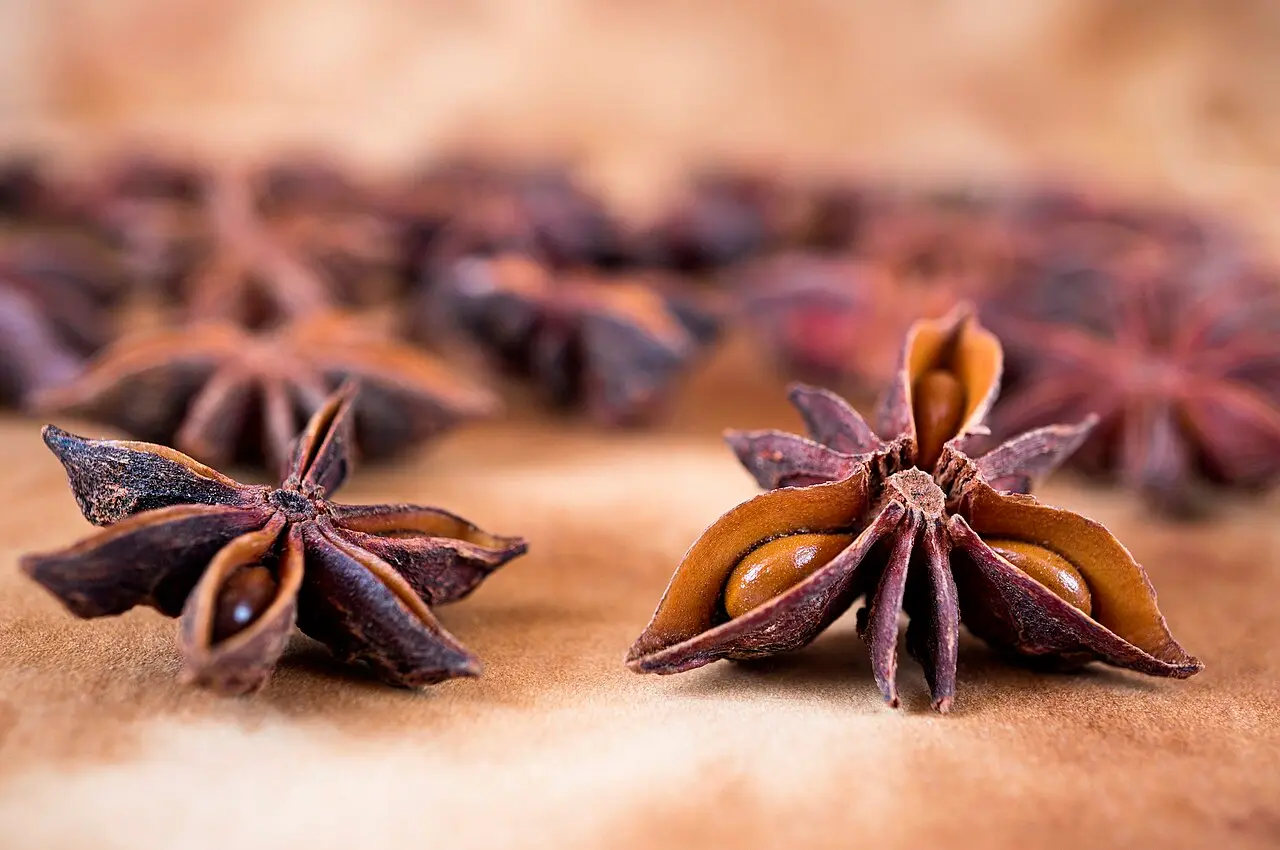
Star anise is the dried, star-shaped fruit of Illicium verum. In Hindi markets you’ll see it as chakra phool, with a fragrance that spreads fast in hot fat.
You’ll find it sold whole most often, sometimes ground as a powder, and its essential oil is also used for flavoring.
Flavour and aroma
Licorice-like and sweet, reminiscent of fennel, with a warming, aromatic depth from anethole. There’s a mild bitterness that mellows into a sweet perfume when you bloom it in warm ghee or oil.
Cooking with it
When to add it
For everyday cooking, use whole stars. Add them to hot oil or ghee at tadka, then let them sit in the pan to perfume the base. You can also simmer whole stars in broths, gravies, or rice water and remove before serving.
Use the powder in garam masala or sprinkle toward the end for a finishing touch. In South Indian cooking, especially Chettinad non-vegetarian curries, it’s roasted with other whole spices to make fragrant masala pastes.
Substitutes
- Aniseeduse equal amounts of crushed aniseed to match the licorice flavor
- Fennel seedsuse one and a half times the quantity for a similar sweet aroma
Origin and where it grows
Indigenous to southeastern China and northeastern Vietnam, where most of the global cultivation still happens. Within India, it’s grown on a limited commercial scale in Arunachal Pradesh.
Grown in
Buying and storing
How to pick good quality
Choose intact eight-carpelled stars that are reddish-brown, dry, and strongly fragrant, with plump, shiny seeds tucked in each pocket.
Simple adulteration check
True edible Chinese star anise has broad, boat-shaped carpels. Its adulterant, Japanese star anise, shows smaller, irregular carpels with sharply hooked tips and a turpentine-like odor.
Storage
Store whole pods in an airtight glass container in a cool, dry, dark spot away from heat and moisture.
Nutrition
Dried star anise is rich in volatile essential oil, mostly trans-anethole, which gives its licorice aroma. It is also a well-known natural source of shikimic acid, along with phenolic compounds.
Frequently asked questions
When should I add chakra phool while cooking?
Bloom whole pods at the start in hot oil or ghee for tadka. You can also simmer whole stars during cooking in broths, gravies, or rice water, and use the ground spice as a finishing touch.
Can I use powder instead of whole star anise?
Use whole pods to bloom or simmer for slow infusion, and use ground star anise in garam masala or sprinkle it toward the end as a finishing spice.
What can I substitute for star anise?
Aniseed works well; use equal amounts of crushed aniseed. Fennel seeds give a milder sweetness; use about one and a half times the quantity.
How do I pick good quality chakra phool?
Look for intact eight-point stars that are reddish-brown, dry, and very aromatic, with plump, shiny seeds in each carpel.
How can I spot adulterated star anise?
Avoid pieces with smaller, irregular carpels that end in sharply hooked tips and smell of turpentine; those signs point to Japanese star anise.
Related ingredients
 Spice
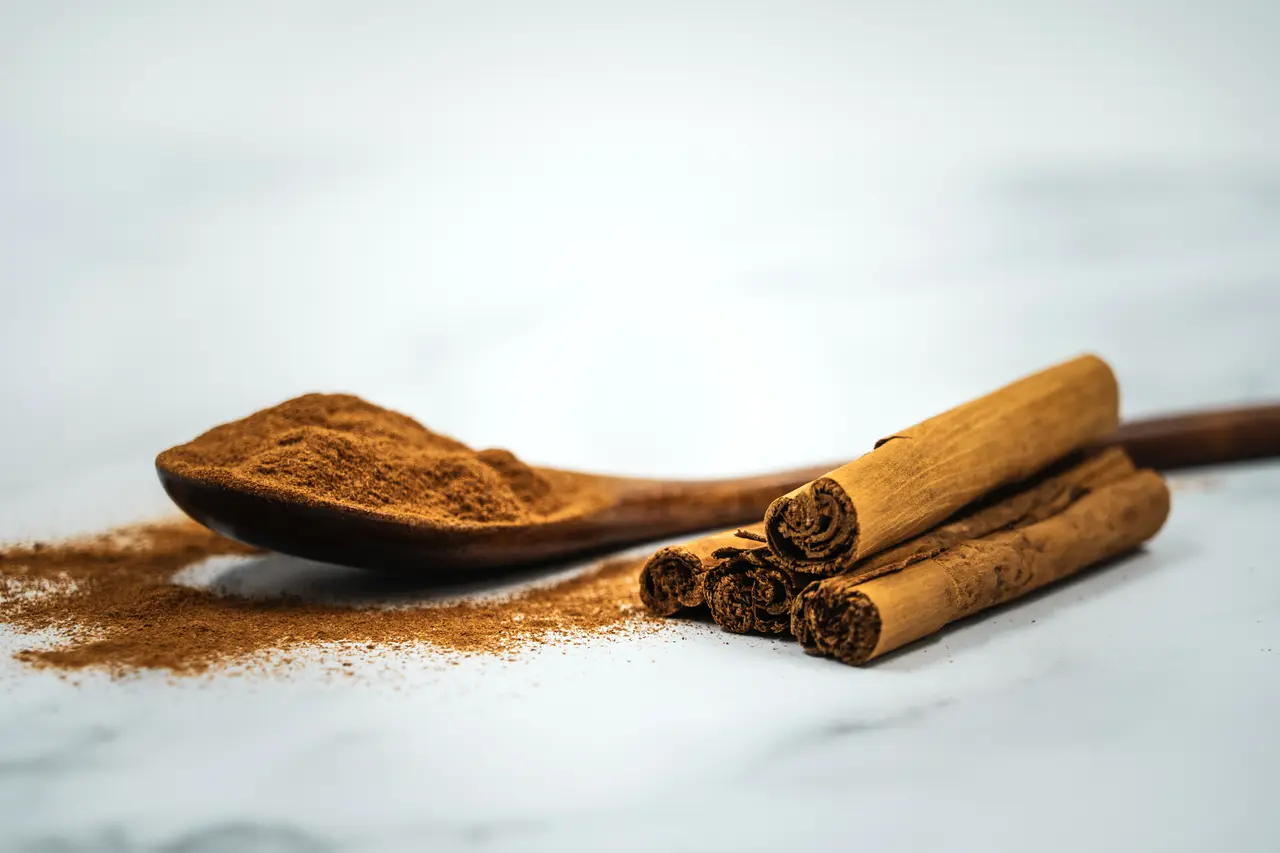
SpiceCinnamon
दालचीनी (Dalchini)
 Spice
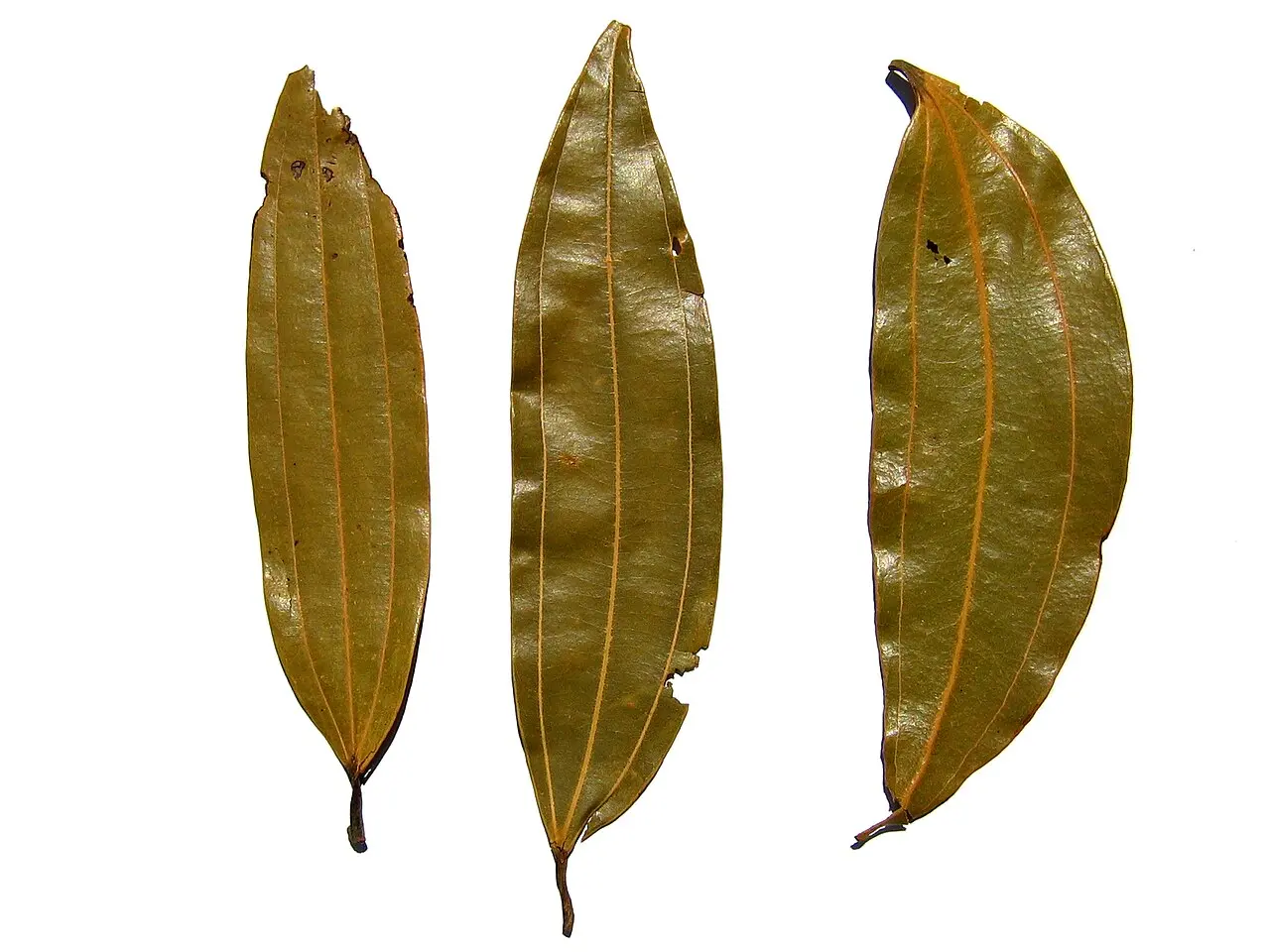
SpiceIndian bay leaf
तेज पत्ता (Tej patta)
 Spice
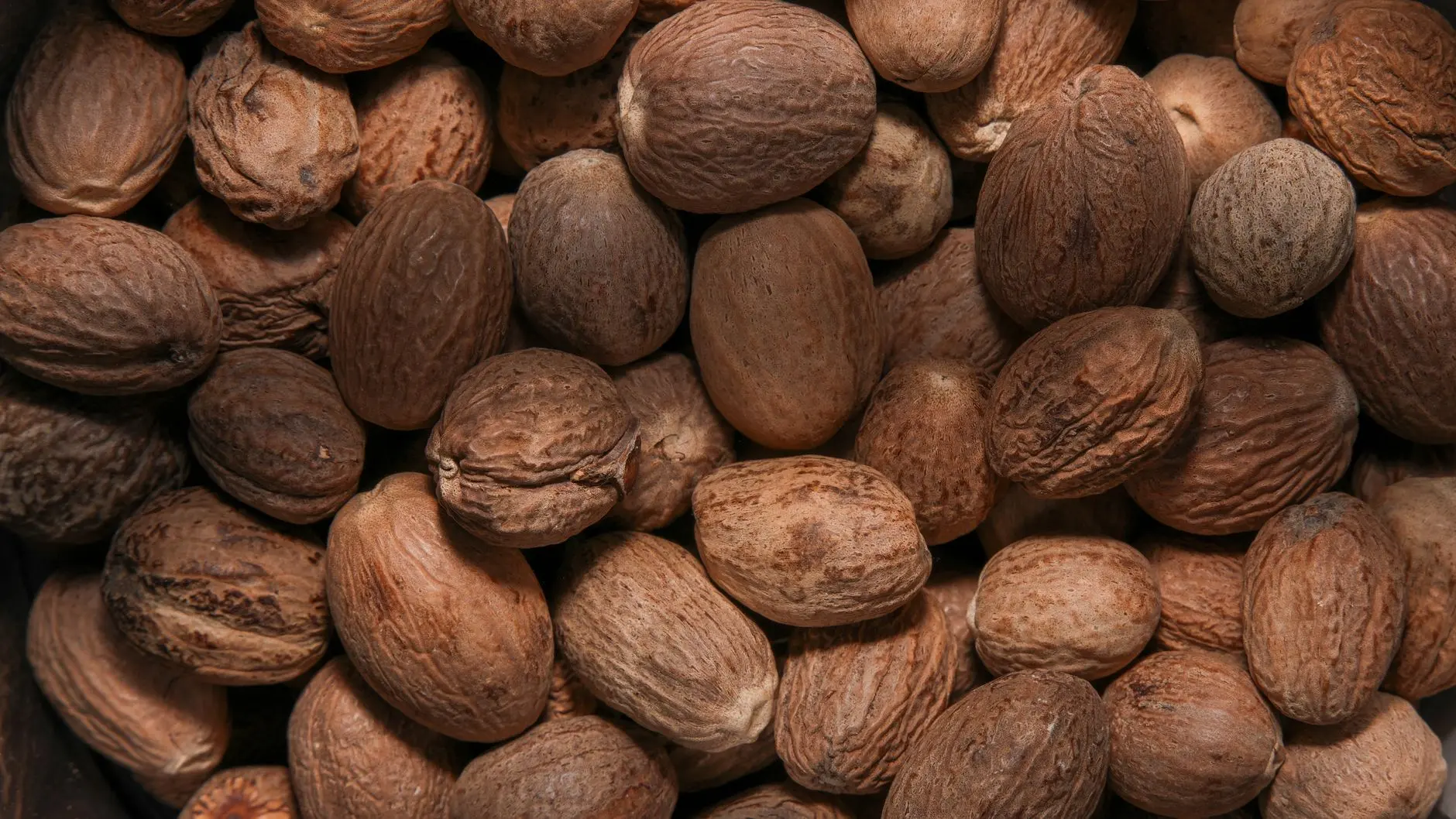
SpiceNutmeg
जायफल (Jaiphal)
 Spice
SpiceBlack pepper
काली मिर्च (Kali mirch)
 Spice
SpiceCarom seeds
अजवाइन (Ajwain)
 Spice
SpiceClove
लौंग (Laung)