
What it is
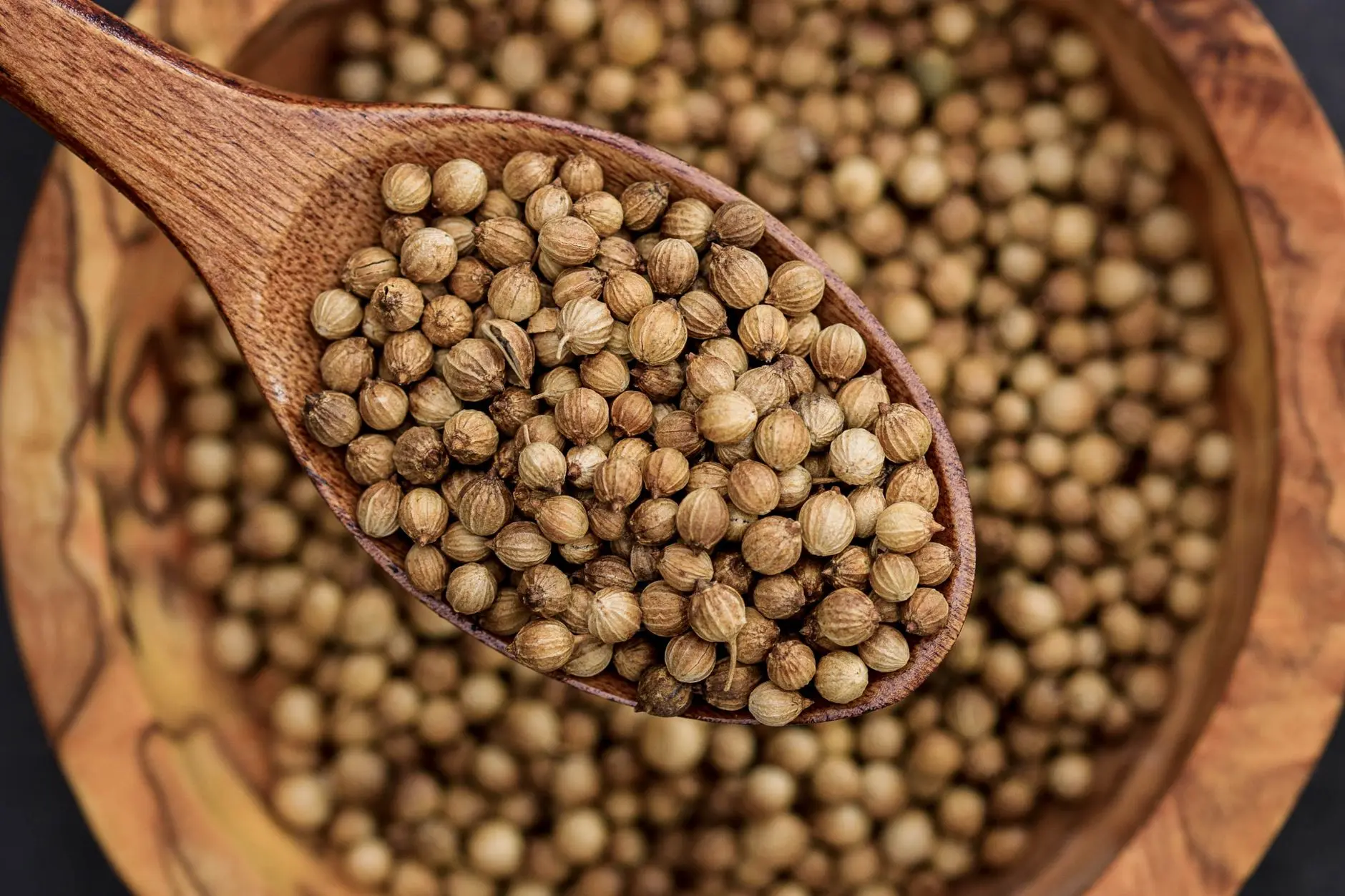
Coriander seeds are the dried schizocarp fruits of the annual herb Coriandrum sativum, from the Apiaceae (Umbelliferae) family.
In Indian cookery they appear as intact whole seeds or as ground coriander powder; both forms are commonly used depending on the dish.
Flavour and aroma
Raw seeds have a mild, sweet, citrus-woody taste with a floral scent from high linalool. Roasting or frying the seeds brings out a warmer, nutty fragrance as the flavour deepens.
Cooking with it
When to add it
How much to use
Whole or coarsely crushed coriander seeds are often sizzled in hot oil or ghee during tadka to release their fragrance. Coarsely crushed seeds are also mixed into doughs for snacks like kachori, samosa and mathri.
Ground coriander powder is a widely used spice in Indian cookery: it is a primary foundational spice and a natural sauce thickener in curries, sambar powder, rasam powder and garam masala blends; coarsely bruised seeds are key in spiced potato samosa filling and North Indian kadai gravies.
Origin and where it grows
Coriander is indigenous to the Mediterranean basin and Western Asia. It has been cultivated across the Indian subcontinent since antiquity.
Grown in
Notable varieties
- Kasti CorianderGI tagged
Maharashtra
Buying and storing
How to pick good quality
Look for intact, uniform, plump seeds that are yellowish-green to pale brown with clear ridges; they should release a crisp citrus aroma when crushed between the fingertips.
Simple adulteration check
Sprinkle coriander powder onto water: sawdust, bran or husk adulterants tend to float while pure coriander powder settles. Adding an iodine solution to a boiled extract of coriander powder will show a distinct blue if foreign starch is present, according to the FSSAI DART manual.
Storage
Keep whole and powdered coriander in clean, airtight containers in a cool, dark, dry cupboard away from steam and sunlight.
Shelf life: Whole seeds: 1–2 years; ground powder: begins losing volatile oils after 3–6 months.
Nutrition
Coriander seeds are a source of dietary fiber and provide minerals such as iron, magnesium and calcium, and they contain antioxidant essential oils.
Frequently asked questions
Should I use whole or ground coriander?
Use whole or coarsely crushed seeds when you want a quick fragrant tadka or to add crunch in doughs; use ground coriander powder when simmering with wet aromatics and spices for curries and gravies.
When do I add whole coriander to tadka?
Add whole or coarsely crushed seeds to hot oil or ghee at the start of tadka so the seeds sizzle and release their fragrance before other ingredients.
How can I tell if coriander seeds are good?
Good seeds are intact, plump and yellowish-green to pale brown with clear ridges; crush a few—fresh seeds give a crisp citrus aroma.
How do I check coriander powder for adulteration?
Sprinkle the powder on water—sawdust, bran or husk float while pure powder settles; an iodine test on a boiled extract turns blue if foreign starch is present.
How long do coriander seeds keep their flavour?
Whole seeds keep quality and essential oils for up to one to two years; ground powder starts losing volatile oils after three to six months.
Related ingredients
 Spice
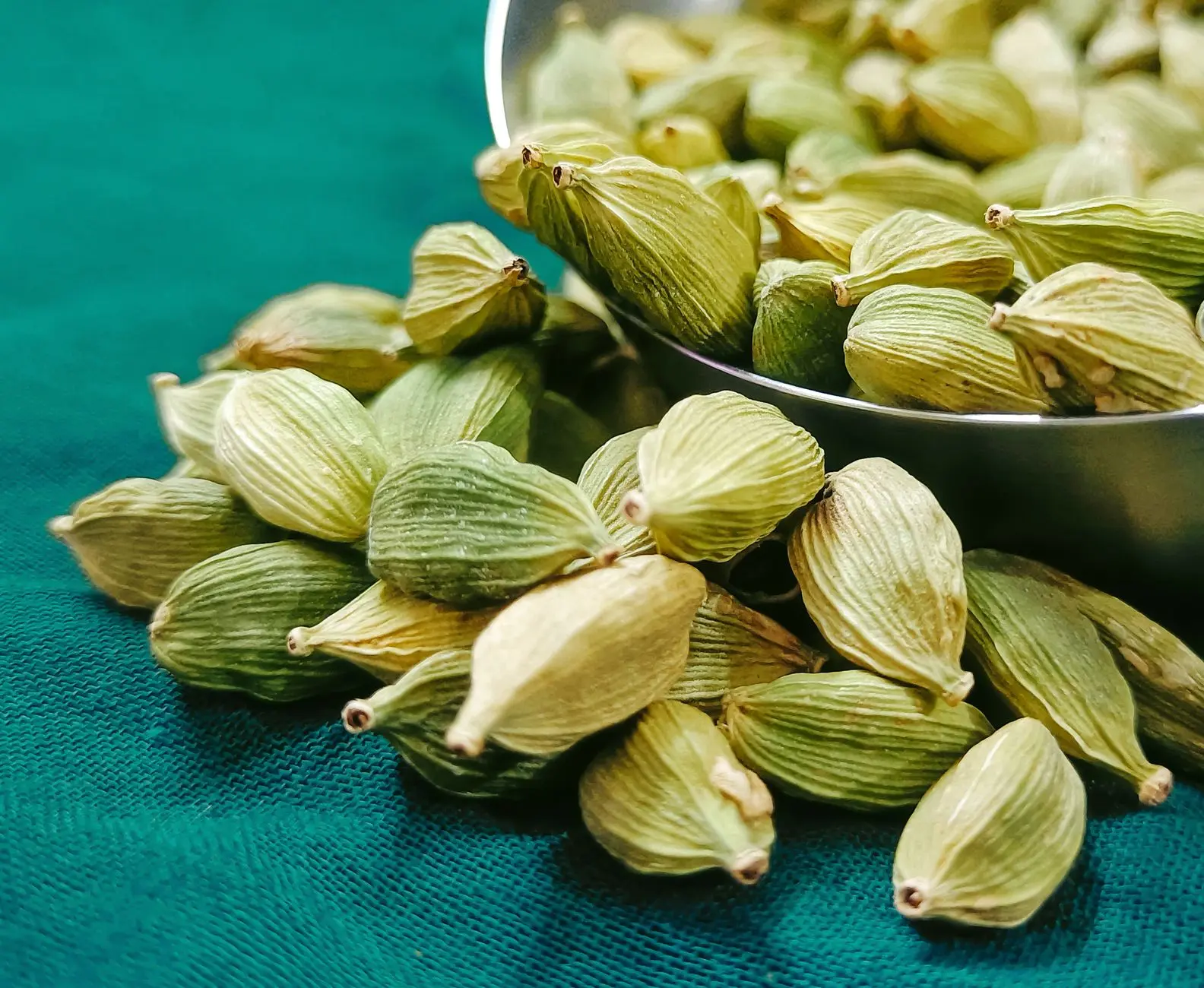
SpiceGreen cardamom
छोटी इलायची (Chhoti elaichi)
 Spice
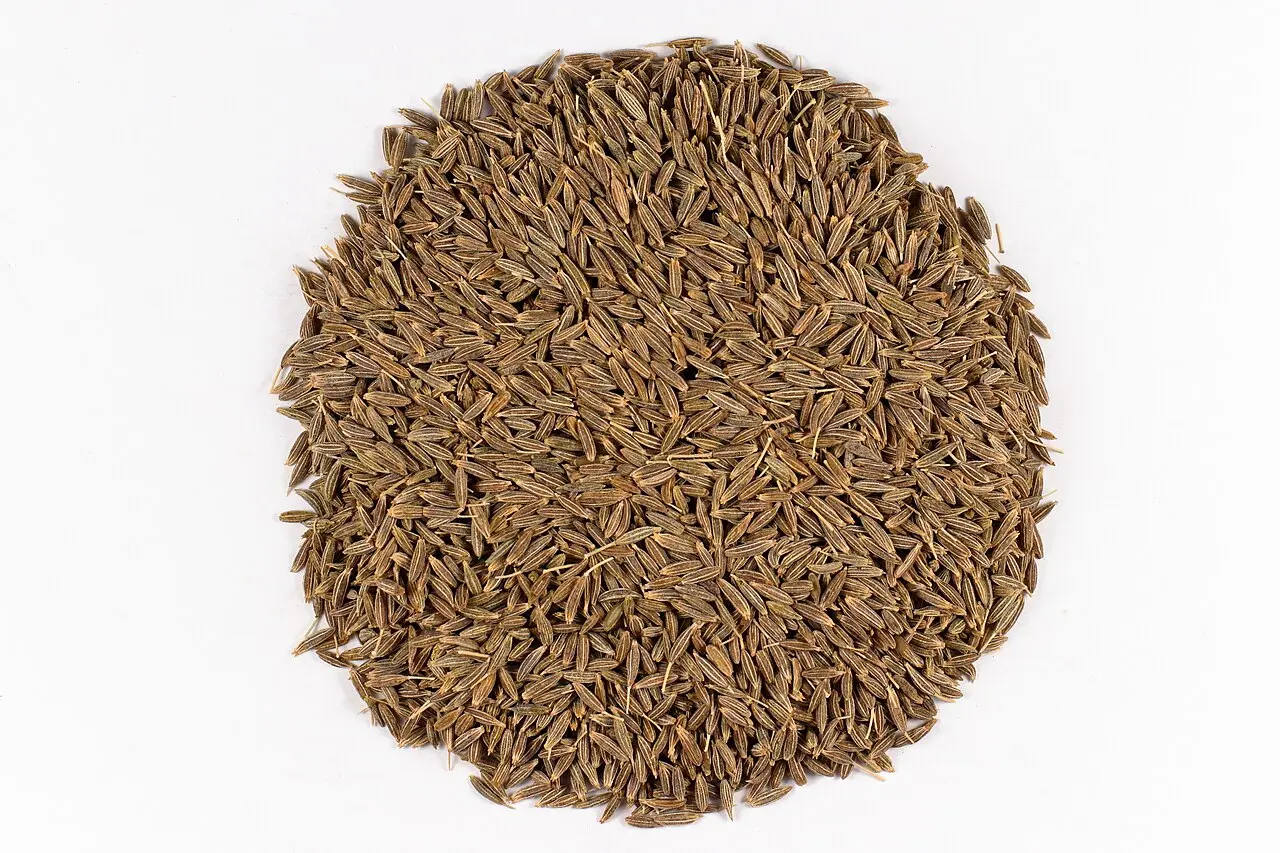
SpiceCumin seeds
जीरा (Jeera)
 Spice
SpiceFenugreek seeds
मेथी दाना (Methi dana)
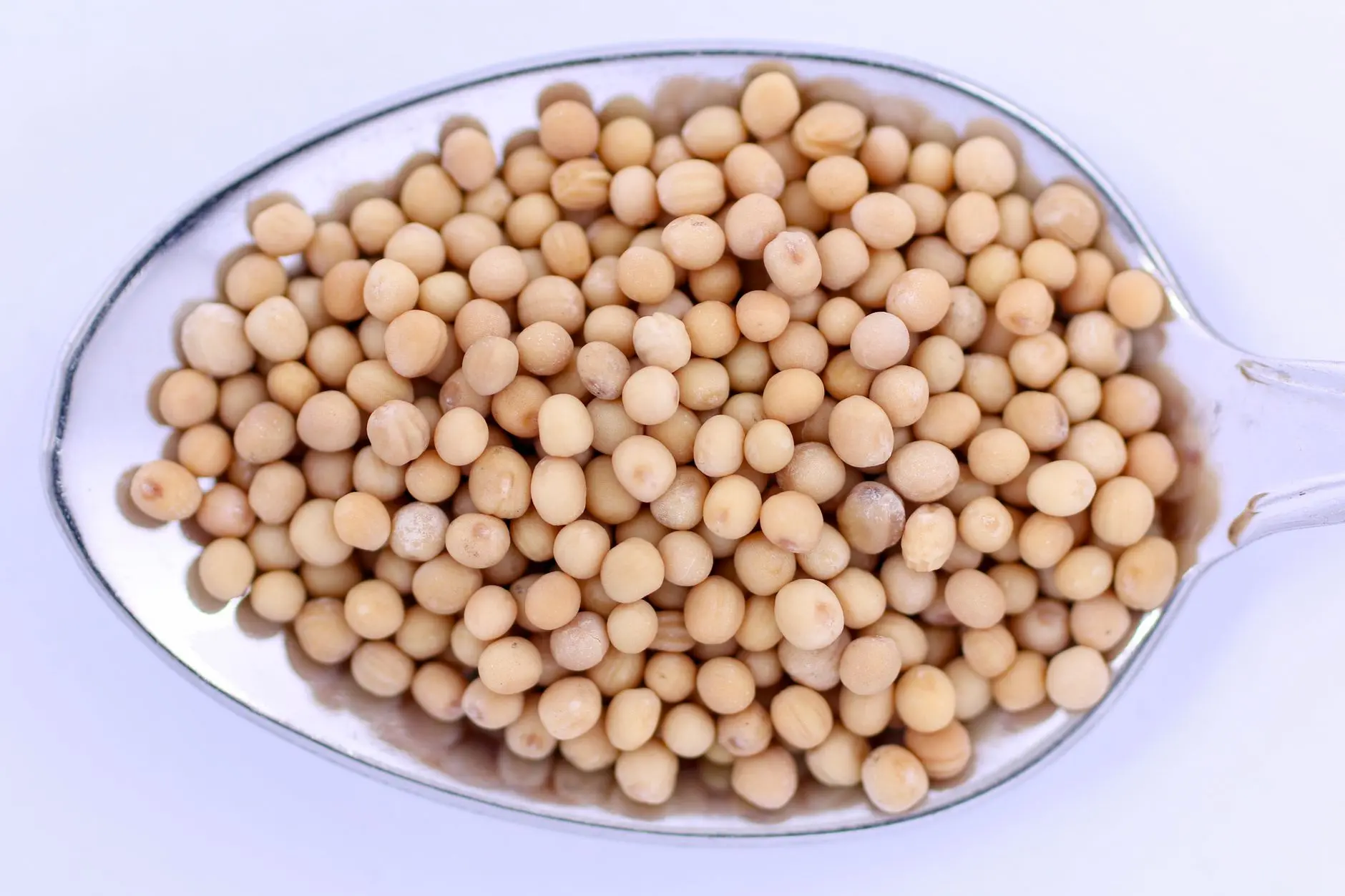 Spice
SpiceMustard seeds
राई (Rai)
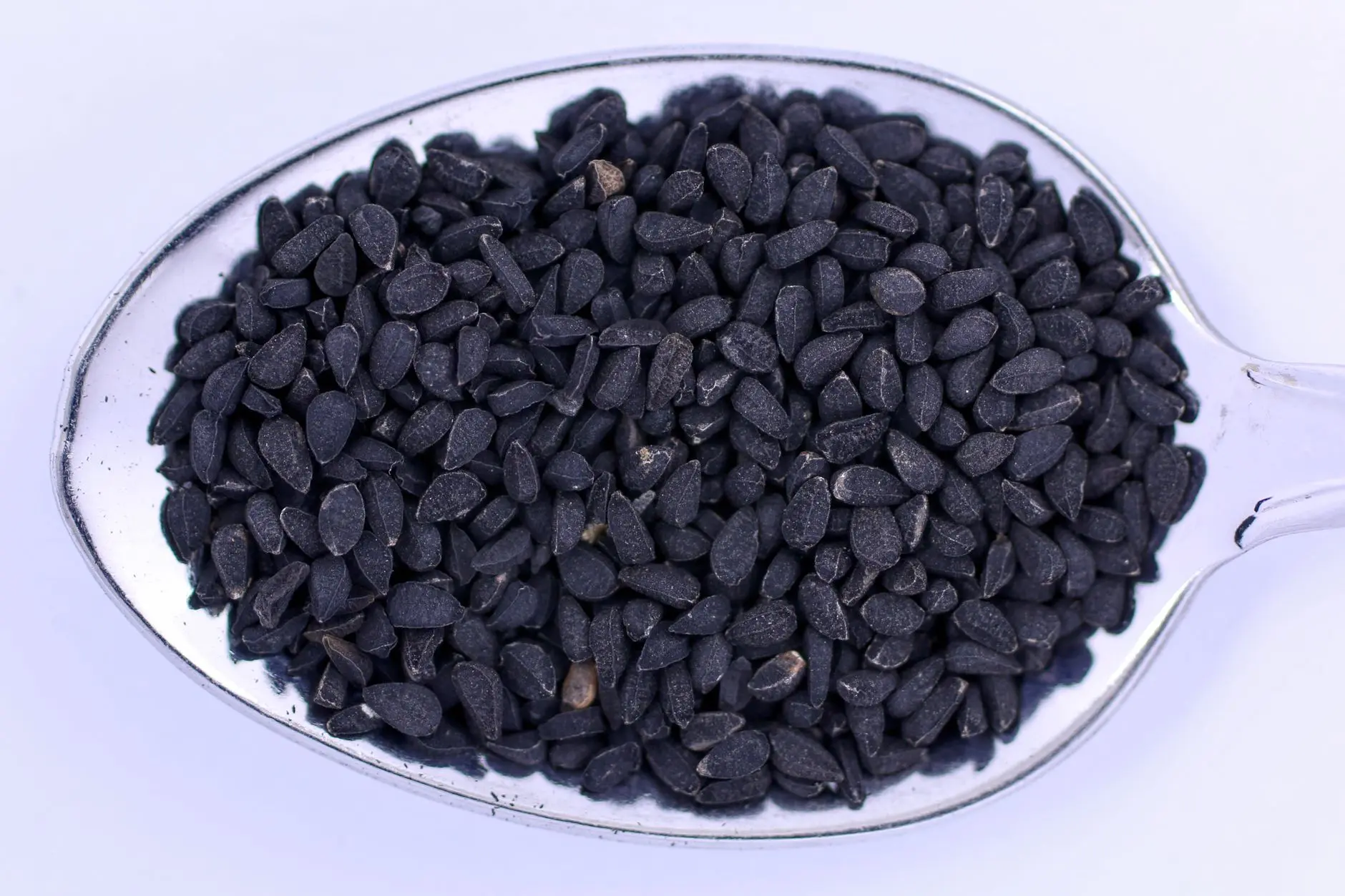 Spice
SpiceNigella seeds
कलौंजी (Kalonji)
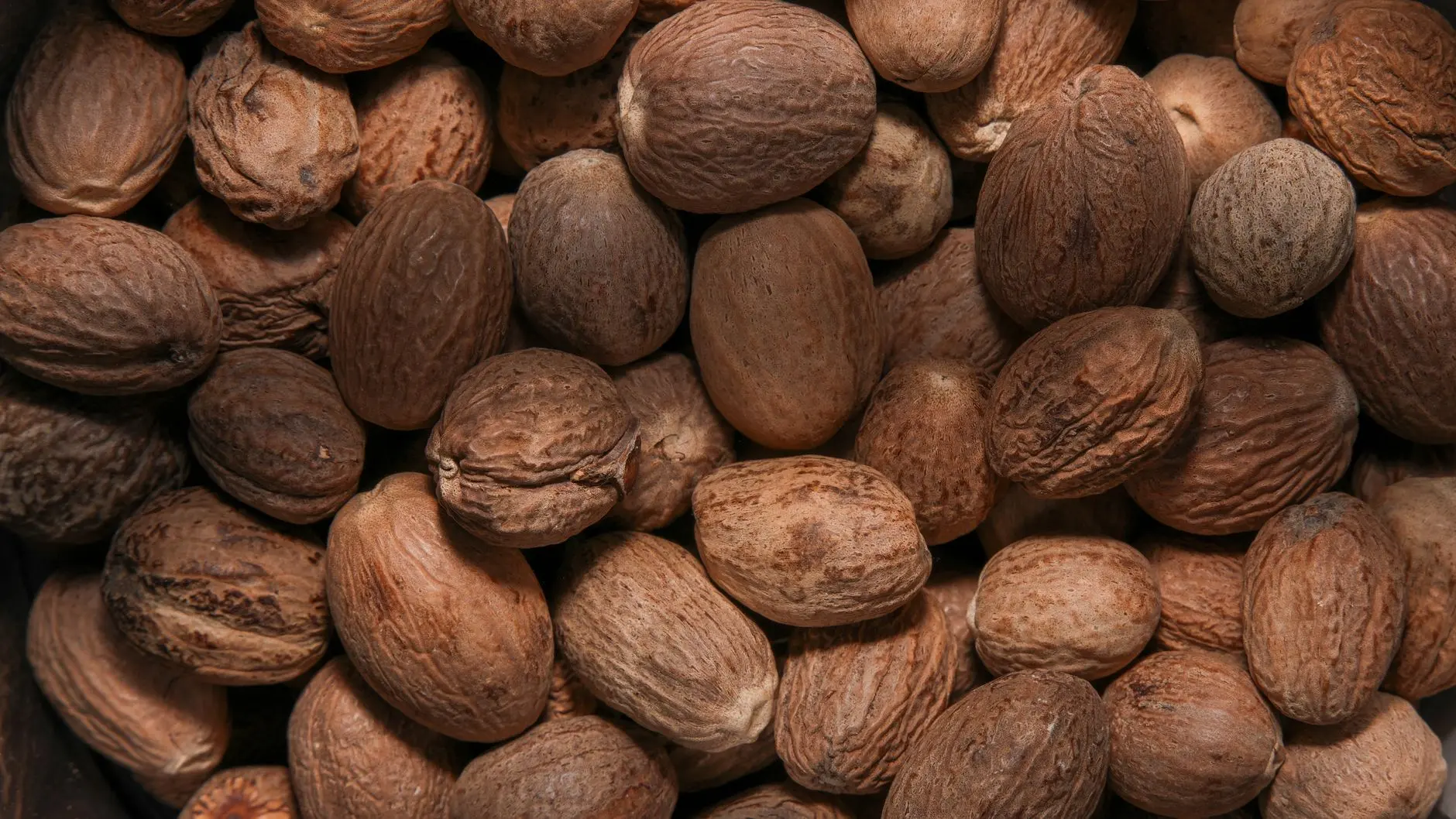 Spice
SpiceNutmeg
जायफल (Jaiphal)