
What it is
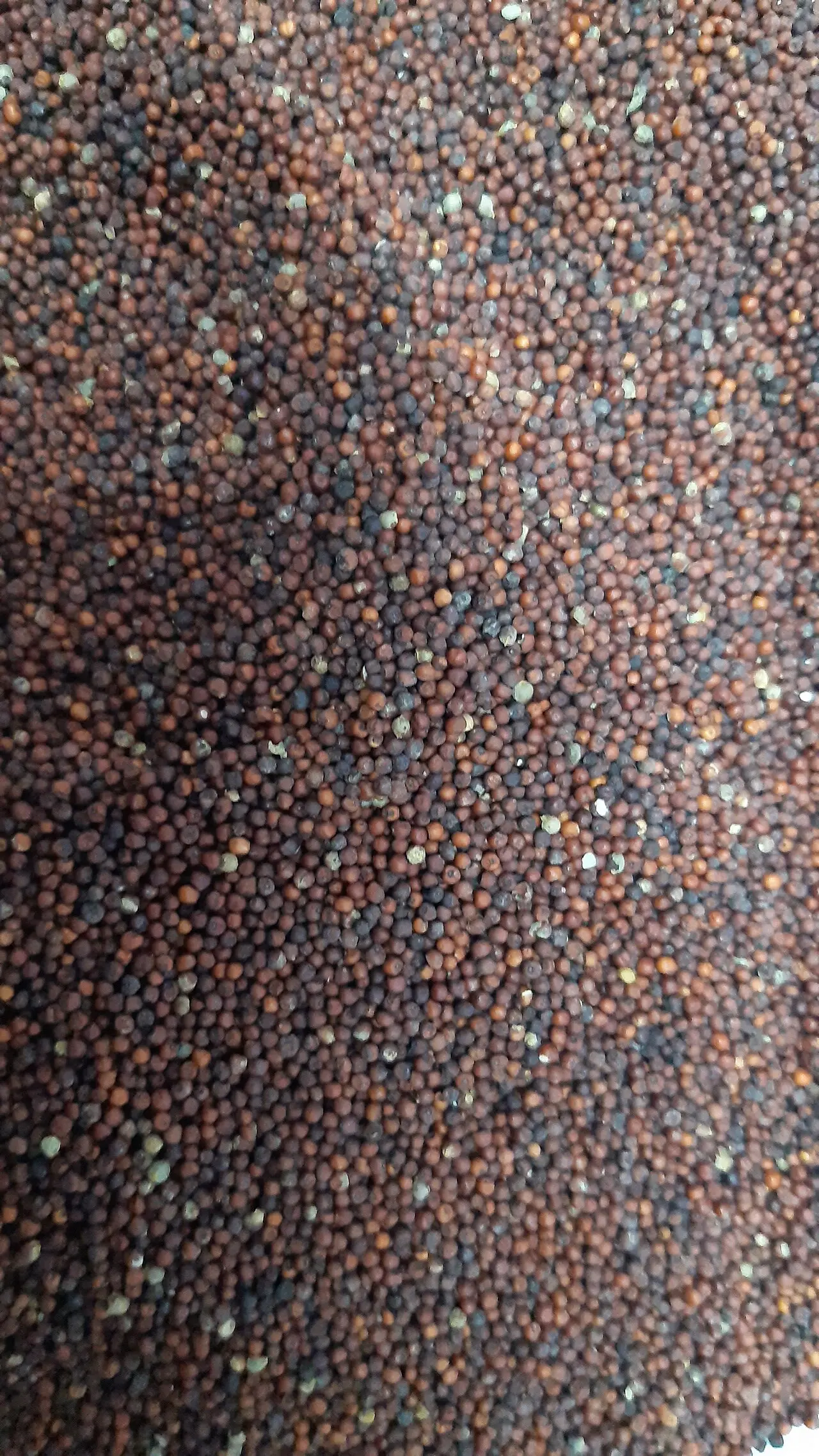
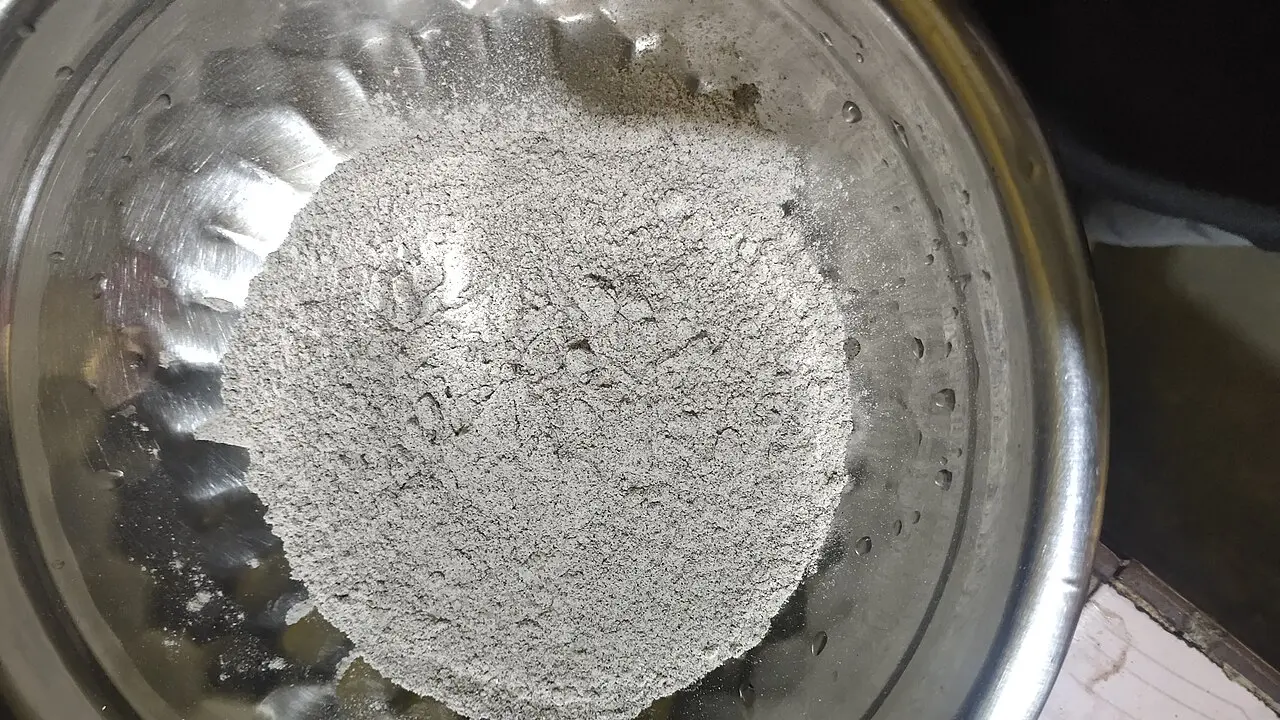
Ragi is the edible small grain of Eleusine coracana, an annual cereal grass in the Poaceae family. You’ll find it as intact whole grain, milled into fine whole-meal flour, and flattened into flakes.
It’s called Ragi in Kannada; Kelvaragu or Keppai in Tamil; Ragulu in Telugu; Nachni in Marathi; Mandia in Odia; Mandua in Hindi; and Nagli in Gujarati.
Flavour and aroma
Finger millet has a robust, mildly astringent, earthy taste. When you roast it or cook it with fat, it turns fragrant and pleasantly nutty with a deep toasted note.
Cooking with it
When to add it
For flatbreads and batters, mix ragi flour with hot water or into fermented batter for rotis, dosas, and idlis. In Uttarakhand, ground mandua flour is kneaded into rustic mandua ki roti.
For porridges and dumplings, stir the flour straight into boiling water to form a thick porridge or dense steamed dumplings. That’s your ragi mudde, eaten with spicy saaru or sambar.
For sweets and drinks, roast the flour in ghee and sweeten for halwa or laddus. Cooked or sprouted ragi meal can be thinned with water or buttermilk for daily beverages, and fermented ragi porridge called ragi koozh or ambali is widely consumed.
Substitutes
- Pearl milletoffers a comparable dense texture and earthy profile in flatbreads and porridge
Origin and where it grows
Karnataka is India’s leading finger millet producer, contributing nearly 60 percent of cultivation area and output. Tamil Nadu is a prominent producer in the south, and Maharashtra and Odisha are key growing states. Uttarakhand is a major producer with traditional cultivation across the Kumaon and Garhwal hill terraces. The region also has a GI-tagged crop, Uttarakhand Mandua.
Grown in
Notable varieties
- Uttarakhand ManduaGI tagged
Uttarakhand
Buying and storing
How to pick good quality
Pick grains that are uniform in color and free from fine flour dust, moisture clumping, or foreign stones.
Simple adulteration check
As per the FSSAI DART manual, rub whole grains with a wet cotton ball; if synthetic Rhodamine B dye is present, the cotton turns reddish-pink.
Storage
Store whole ragi in a clean, airtight dabba in a cool, dry place to keep moisture away. Seal whole-meal ragi flour tightly to slow fat spoilage.
Shelf life: Dry whole grain keeps well over a year; milled whole flour about 1–2 months.
Nutrition
About 344 mg calcium per 100 g, the richest among common cereal grains.
Frequently asked questions
What is finger millet (ragi)?
It’s the edible small grain of Eleusine coracana, an annual cereal grass in the Poaceae family.
How does ragi taste?
Earthy with a mild astringency. Roasting or cooking it with fat brings out a deep, toasted nutty flavor.
When should I add ragi flour while cooking?
Mix it with hot water or fermented batter for rotis, dosas, and idlis; stir it into boiling water for porridge or dumplings; roast with ghee for halwa or laddus; or use cooked/sprouted meal in water or buttermilk for drinks.
What can I substitute for ragi flour?
Pearl millet flour offers a comparable dense texture and earthy profile in flatbreads and porridge.
How can I check if ragi is dyed?
Rub whole grains with a wet cotton ball. If Rhodamine B dye is present, the cotton turns reddish-pink.
Related ingredients
 Grain and rice
Broken wheat
दलिया (Daliya)
 Grain and rice
Pearl millet
बाजरा (Bajra)
 Grain and rice
Sorghum
ज्वार (Jowar)
 Grain and rice
Poha
पोहा (Poha)
 Grain and rice
Semolina
सूजी (Suji)
 Grain and rice
Idli rice
इडली चावल (Idli chawal)