
What it is
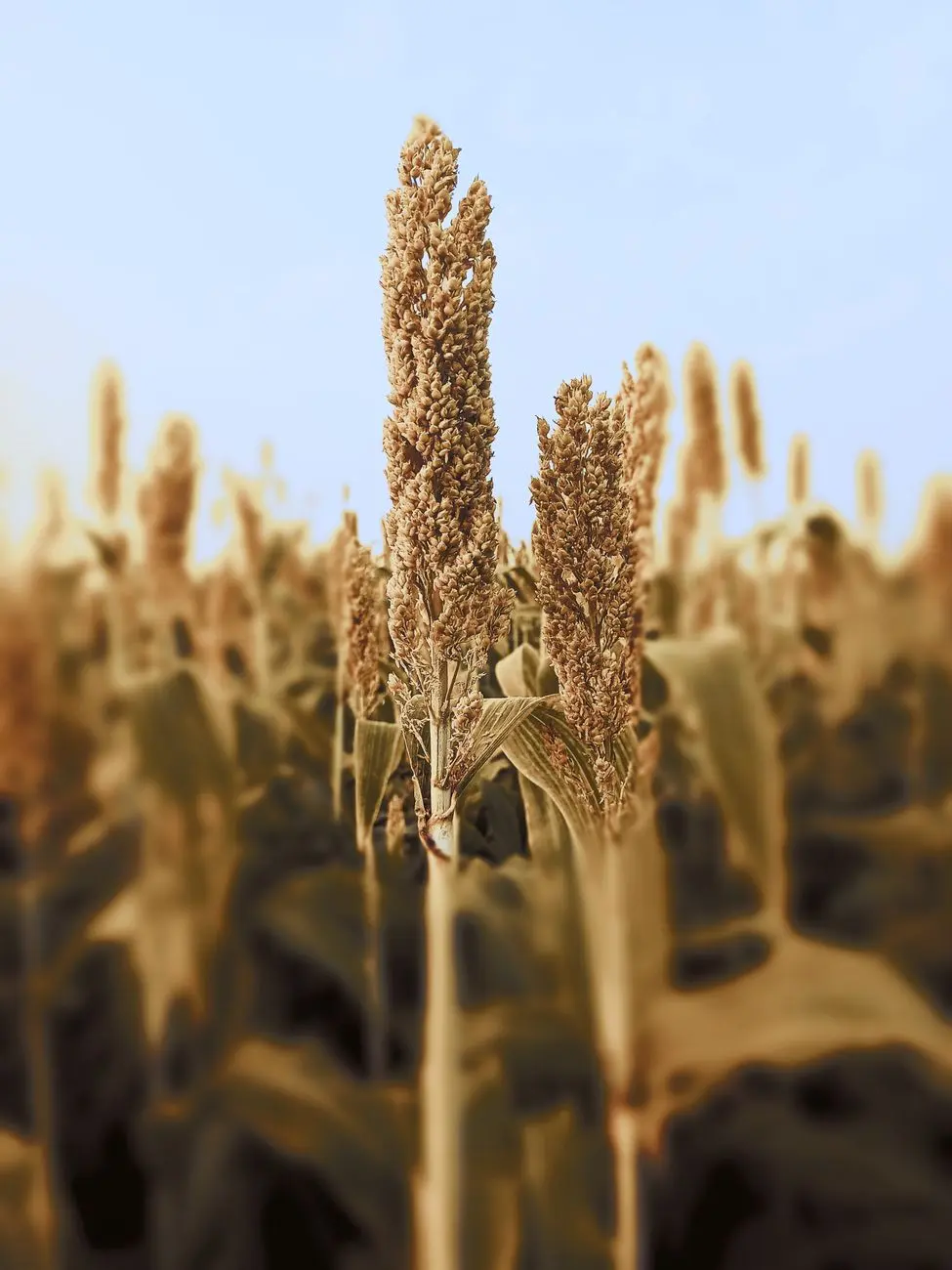
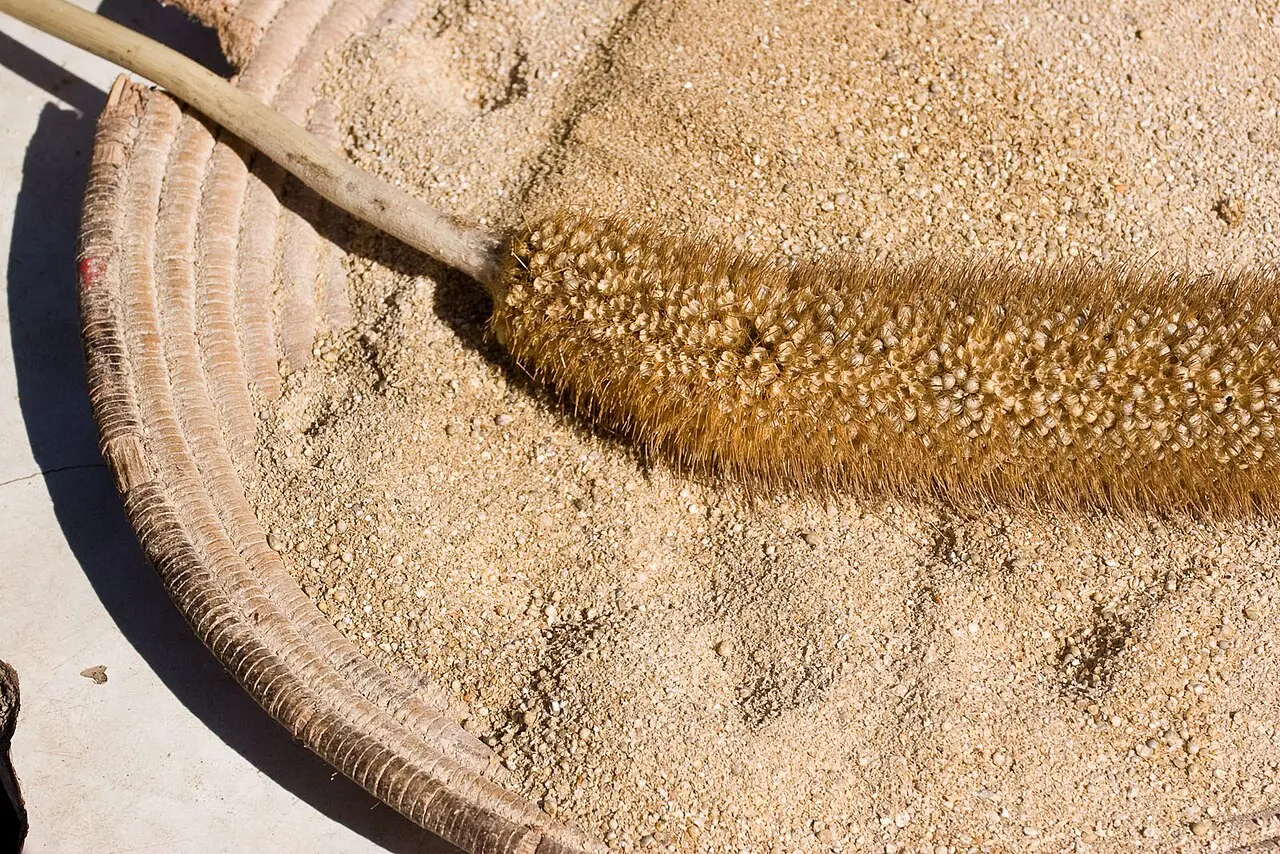
Pearl millet consists of the edible small grains harvested from Pennisetum glaucum, a robust annual grass in the family Poaceae.
Across India you’ll hear many names: Kambu (Tamil), Sajjalu (Telugu), Sajje (Kannada), and Bajri in Marathi and Gujarati. In Hindi, you’ll call it बाजरा (Bajra).
Flavour and aroma
Expect a deep, robust earthy profile. Cooking or roasting brings a pronounced nutty aroma; raw grain tastes subtly sweet and rustic, turning rich and toasty when dry-roasted.
Cooking with it
When to add it
How much to use
Knead bajra atta with warm water into unleavened dough for rotla or bajra roti in Gujarat and Rajasthan, often finished with white butter and jaggery. In Maharashtra, blend the flour with sesame seeds for rustic bhakri, served with pitla or spicy thecha.
For hearty winter meals, cracked grain slow-cooked with split moong and ghee makes khichdi across Rajasthan and Haryana. Add whole or broken grains to water, pulses and aromatics during active boiling; for porridge-like textures, use about 1 cup cracked grain to 3–4 cups liquid.
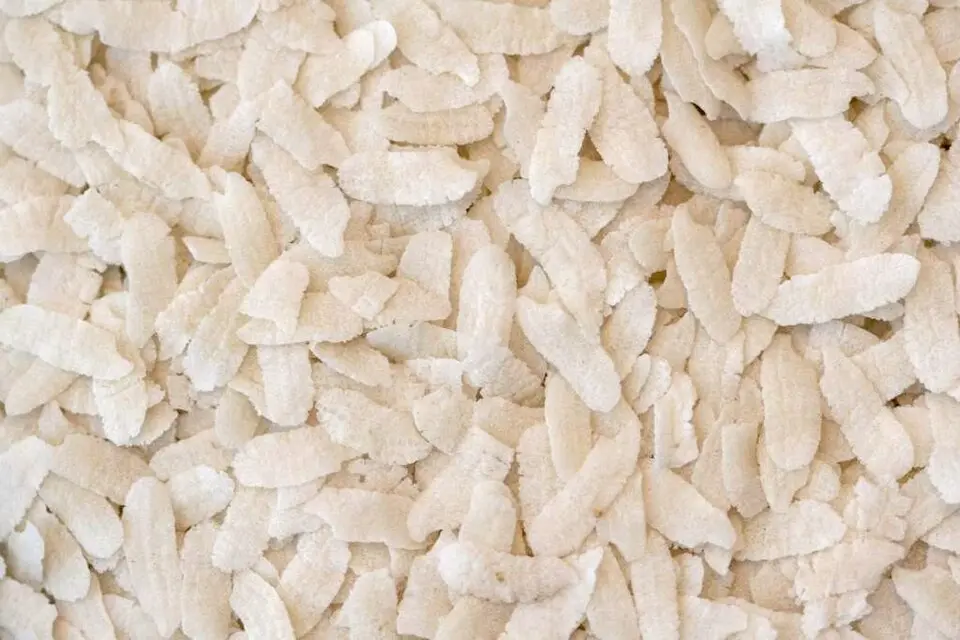
In Tamil Nadu, cook the flour and ferment it overnight with buttermilk and small onions to make cooling kambu koozh. Rolled flakes of bajra are handy for quick-cooking porridges and snacks, and roasting brings out that nutty aroma.
Substitutes
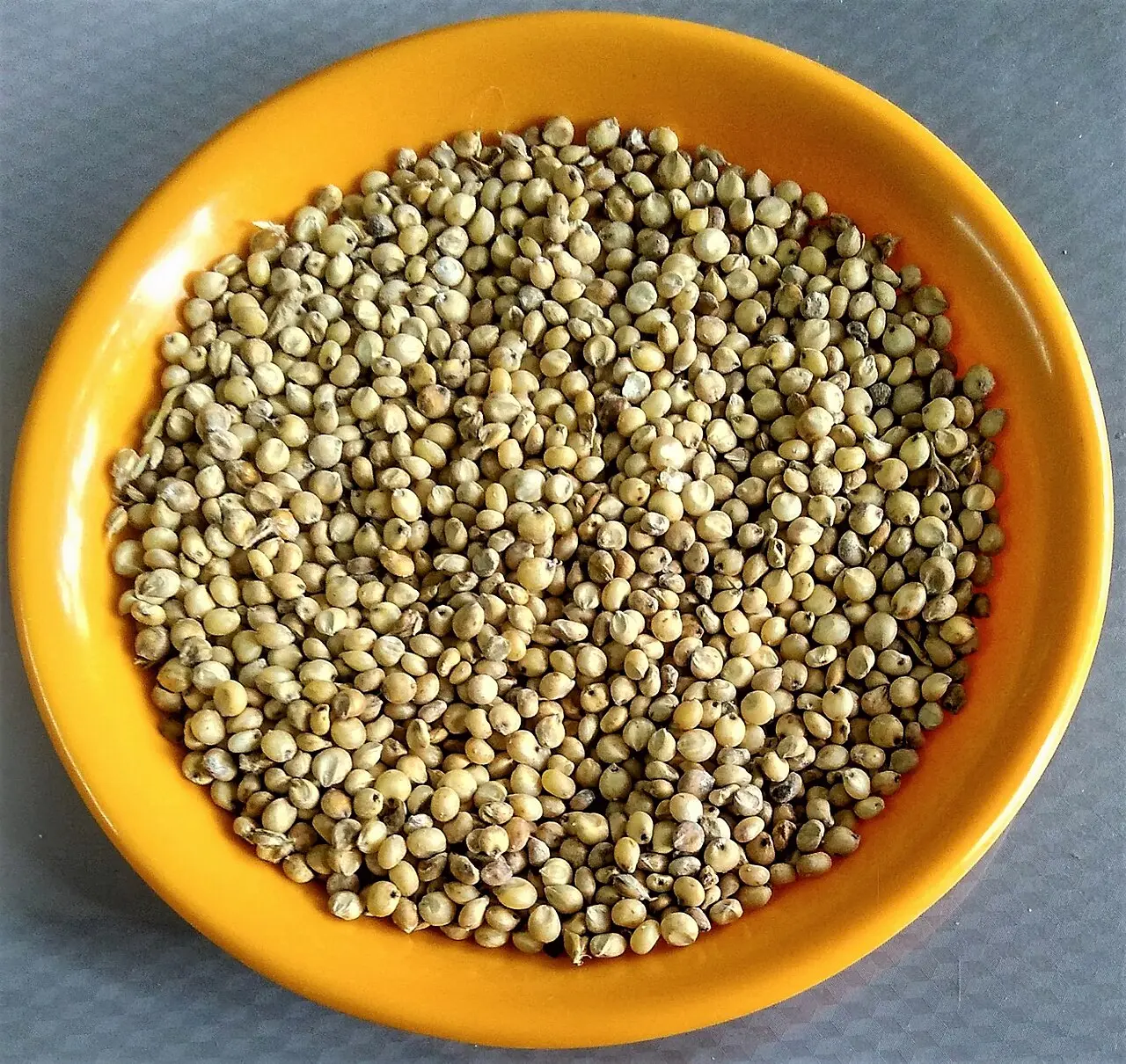
- Sorghumuse in equal amounts for a gluten-free flatbread or porridge with a slightly milder taste
Origin and where it grows
Pearl millet originated in the Sahel zone of West Africa over 4,000 years ago and spread to the Indian subcontinent in prehistoric times. In India, Rajasthan is the largest producer, with major cultivation also in Uttar Pradesh, Haryana, Gujarat, Maharashtra and Madhya Pradesh.
Grown in
Buying and storing
How to pick good quality
Good bajra atta should smell pleasantly nutty and clean, not sharp, rancid or bitter.
Storage
Store whole grains in an airtight container in a dry pantry. Refrigerate or freeze ground bajra flour to delay lipase-driven lipid breakdown.
Nutrition
Naturally gluten-free and provides dietary fiber, vegetable protein, iron and magnesium.
Frequently asked questions
What is bajra?
It is the edible small grain of Pennisetum glaucum, a robust annual grass in the Poaceae family.
How much water for cracked bajra khichdi or porridge?
Use about 1 cup cracked pearl millet to 3–4 cups liquid.
When should I add bajra flour or grains during cooking?
Knead the flour with warm water into unleavened doughs or blend into fermented batters. Add whole or broken grains to water, pulses and aromatics during active boiling.
What can I substitute for bajra?
Use sorghum in equal amounts for flatbreads or porridges; it will taste slightly milder.
How should I store bajra atta and whole grain?
Keep whole grains in an airtight container in a dry pantry. Refrigerate or freeze the flour to delay lipase-driven lipid breakdown.
Related ingredients
 Grain and rice
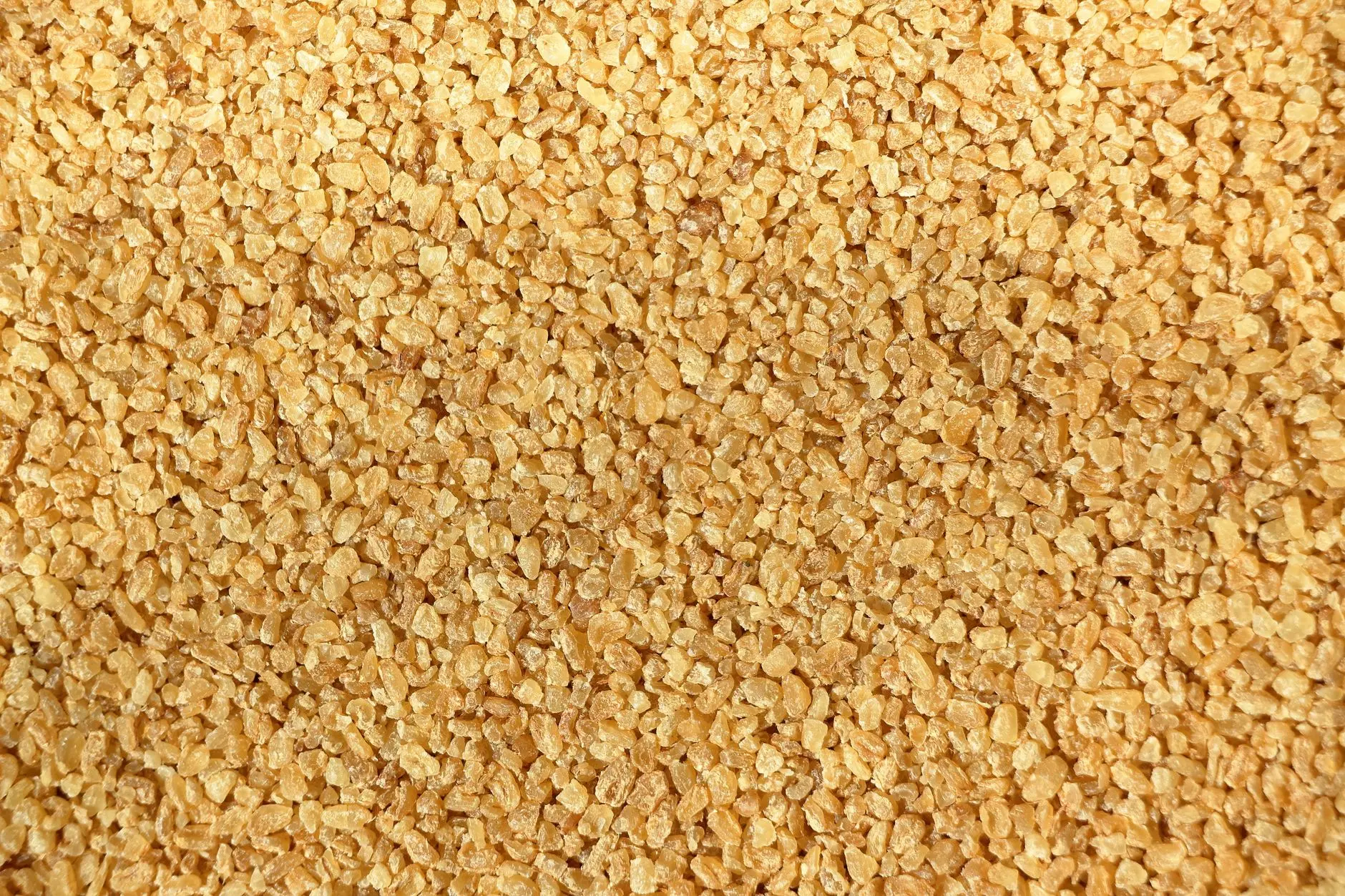
Broken wheat
दलिया (Daliya)
 Grain and rice
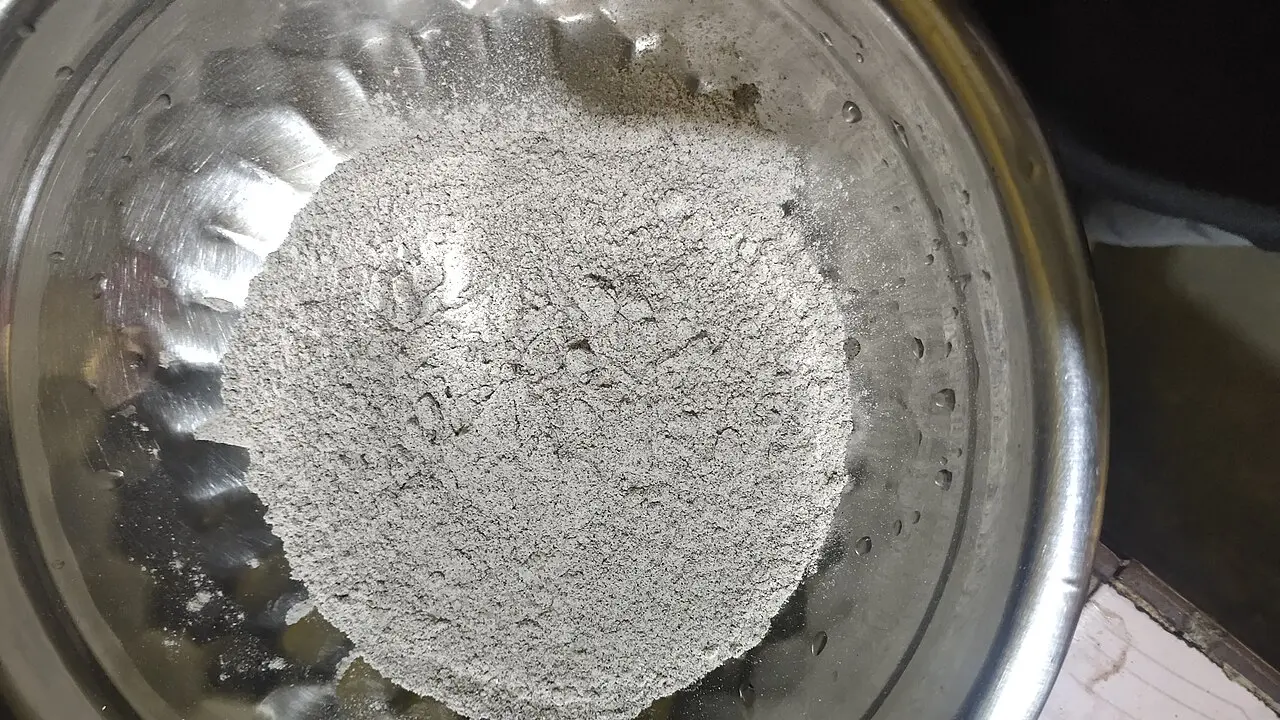
Finger millet
रागी (Ragi)
 Grain and rice
Sorghum
ज्वार (Jowar)
 Grain and rice
Poha
पोहा (Poha)
 Grain and rice
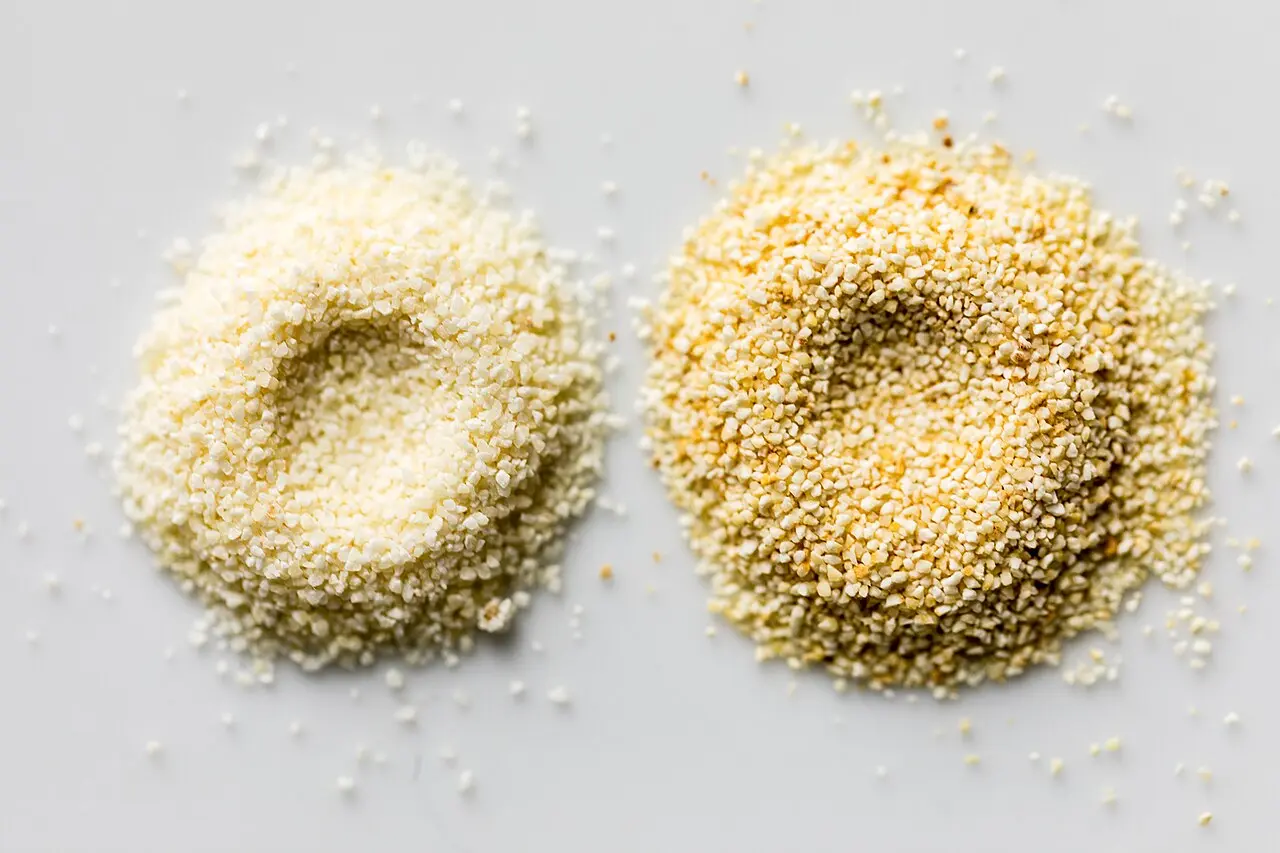
Semolina
सूजी (Suji)
 Grain and rice
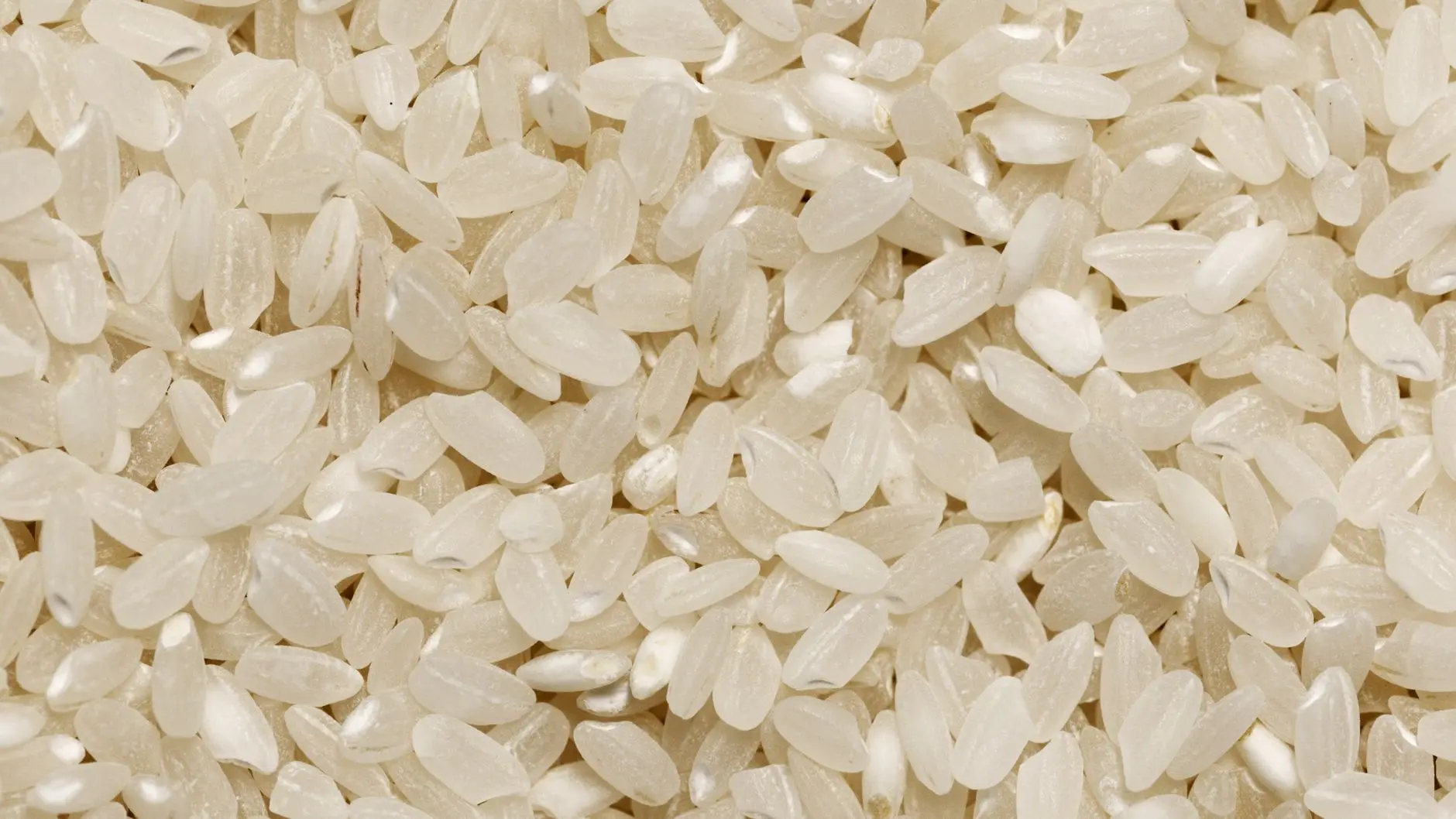
Idli rice
इडली चावल (Idli chawal)