

What it is
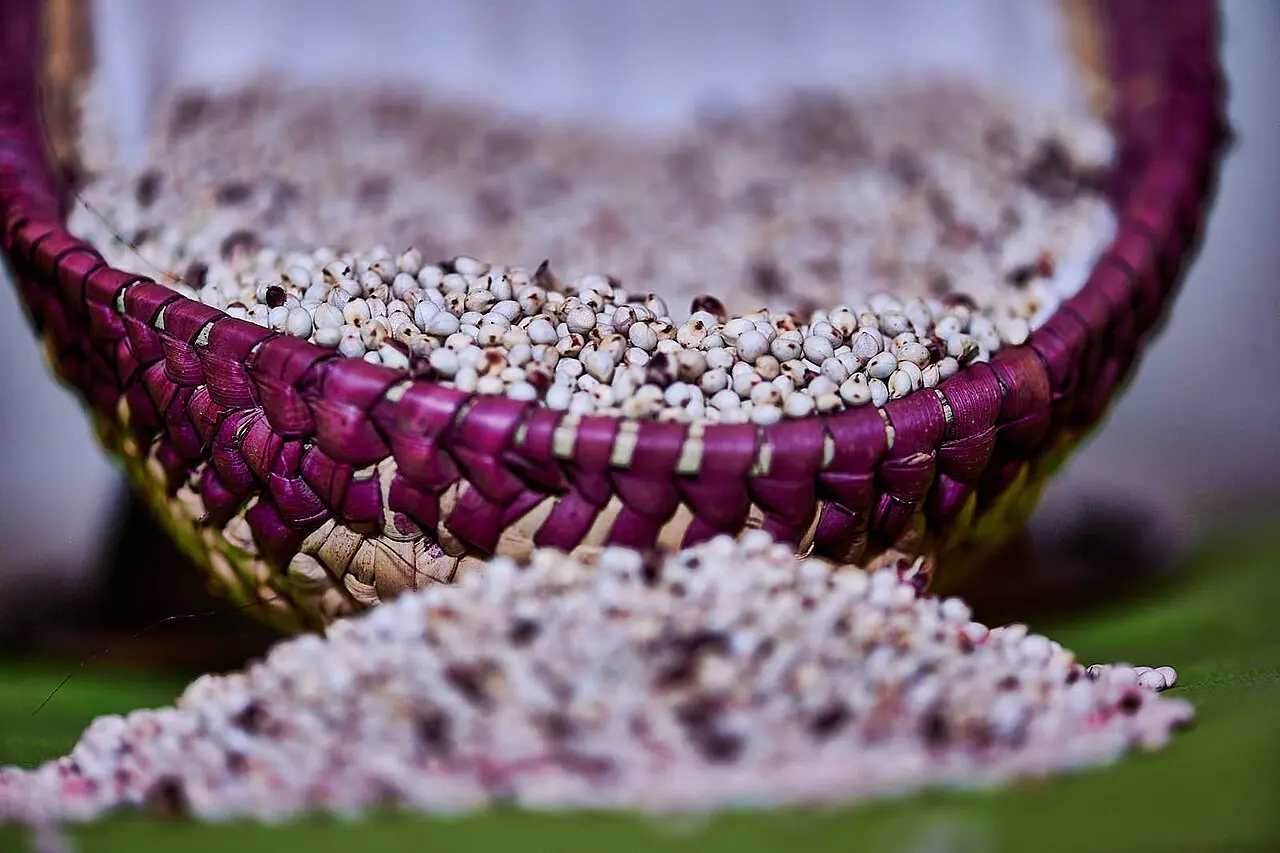
Sorghum, or jowar, is an ancient cereal grain harvested from Sorghum bicolor, a drought-tolerant annual grass in the Poaceae family.
In Indian kitchens you’ll find it as unpolished whole kernels or milled into flour. You’ll hear it called Jwari (Marathi), Jola (Kannada), Jonnalu (Telugu), Cholam (Tamil), and Juwar (Gujarati).
Flavour and aroma
Mild, faintly sweet and starchy at first. When roasted or cooked on a dry skillet, it turns fragrant and pleasantly nutty. Expect an earthy base with subtle sweet undertones.
Cooking with it
When to add it
For flatbreads, use finely milled jowar flour. Blend the flour with hot water to gelatinize the starches, then pat and cook Maharashtrian jowar bhakri or North Karnataka jolada rotti.
In winter, tender green sorghum grains are charcoal-roasted to make seasonal hurda in Maharashtra and ponk in Gujarat.
If you want deeper flavor, dry-roasting the grains on a skillet brings out a distinctly toasted, nutty note.
Substitutes
- Bajrasubstitute in equal measure for traditional flatbreads like bhakri
Origin and where it grows
Sorghum originated and was first domesticated in northeastern Africa before spreading across the Indian subcontinent through ancient trade routes. In India today, Maharashtra is the leading producer, with Karnataka also a major producer. Rajasthan grows large areas in the kharif season, and Madhya Pradesh and Telangana are among the principal sorghum-growing regions.
Grown in
Notable varieties
- Mangalwedha JowarGI tagged
Maharashtra
- Dagdi Jowar of JalnaGI tagged
Maharashtra
Buying and storing
How to pick good quality
Pick grains that are firm, clean, and plump, with no fungal mold, moisture discoloration, or weevil damage. GI-tagged Mangalwedha Jowar from Solapur is known for a sweet taste and soft flatbread texture. Dagdi Jowar of Jalna is GI-tagged and recognized for hard, bold grains cultivated in the Marathwada region.
Simple adulteration check
Per the FSSAI DART guide, rub a few grains with a cotton swab soaked in water or edible oil; if artificial color is present, the dye will bleed onto the swab.
Storage
Keep whole sorghum in clean, moisture-proof containers in a cool, dry pantry. Stone-ground jowar flour keeps best refrigerated to avoid rancidity.
Nutrition
Sorghum is completely gluten-free and provides dietary fiber, complex carbohydrates, and plant protein along with minerals such as iron and phosphorus.
Frequently asked questions
Is sorghum (jowar) gluten-free?
Yes, sorghum is completely gluten-free.
What does jowar taste like?
It’s mild, faintly sweet and starchy, and turns fragrant and pleasantly nutty when roasted or cooked on a dry skillet.
How do I make rotis with jowar flour?
Blend the flour with hot water to gelatinize the starches before shaping and cooking. This is the base for bhakri and jolada rotti.
How should I store whole jowar and jowar flour?
Keep whole grains in clean, moisture-proof containers in a cool, dry pantry. Stone-ground jowar flour is best refrigerated to avoid rancidity.
How can I check if grains are artificially colored?
Use the FSSAI DART test: rub grains with a cotton swab soaked in water or edible oil; dye, if present, will bleed onto the swab.
Related ingredients
 Grain and rice
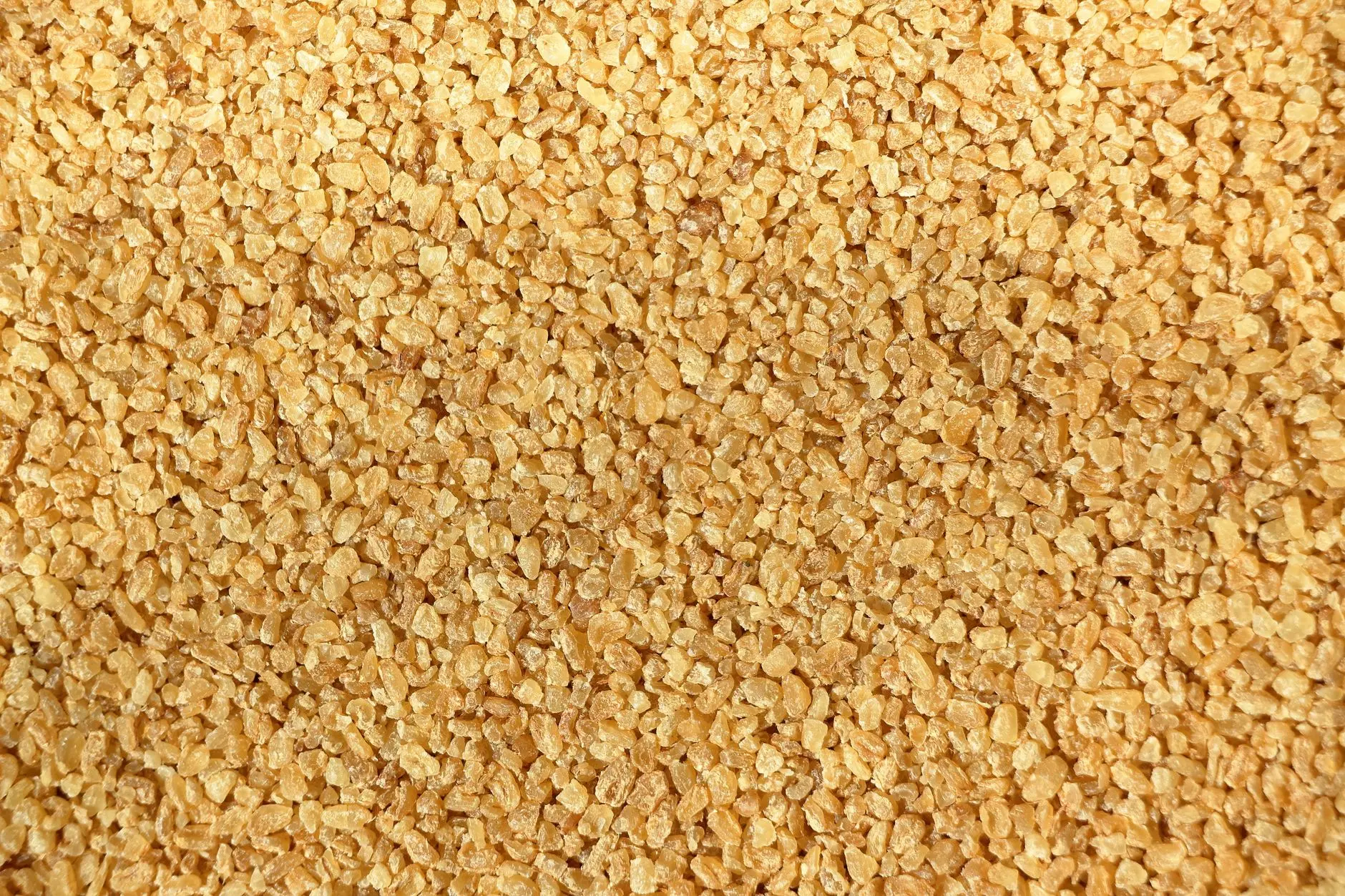
Broken wheat
दलिया (Daliya)
 Grain and rice
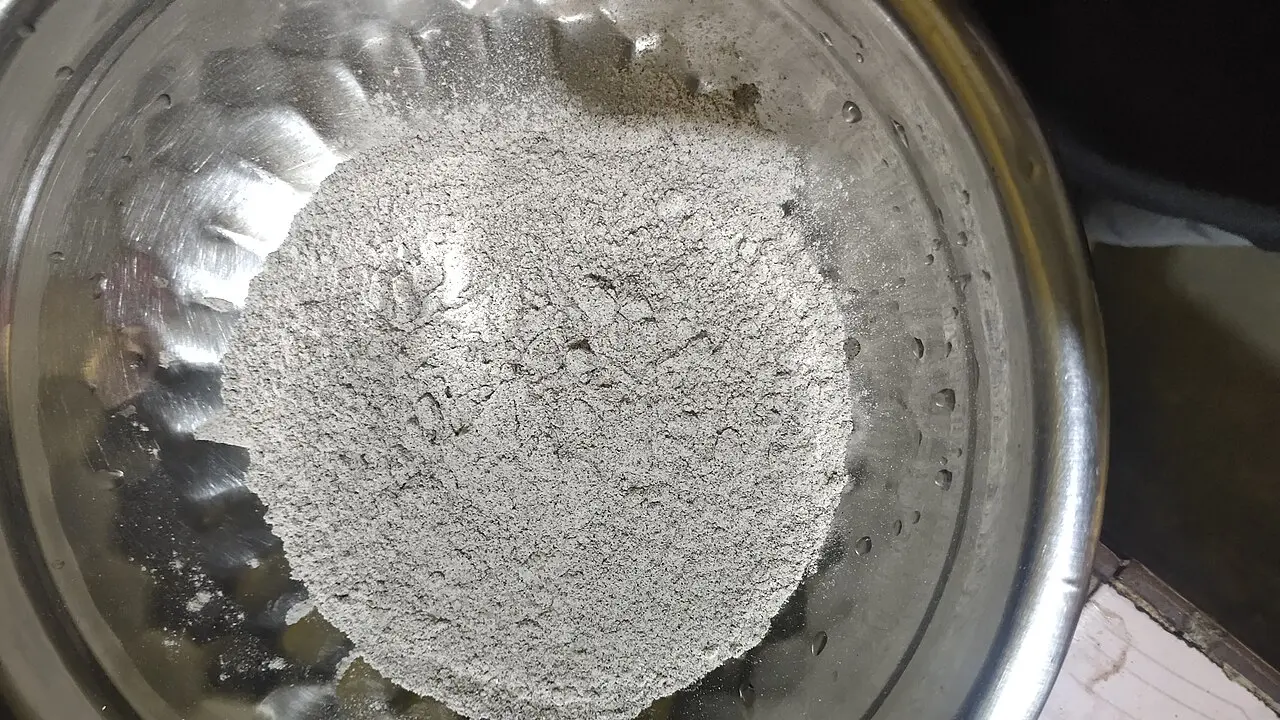
Finger millet
रागी (Ragi)
 Grain and rice
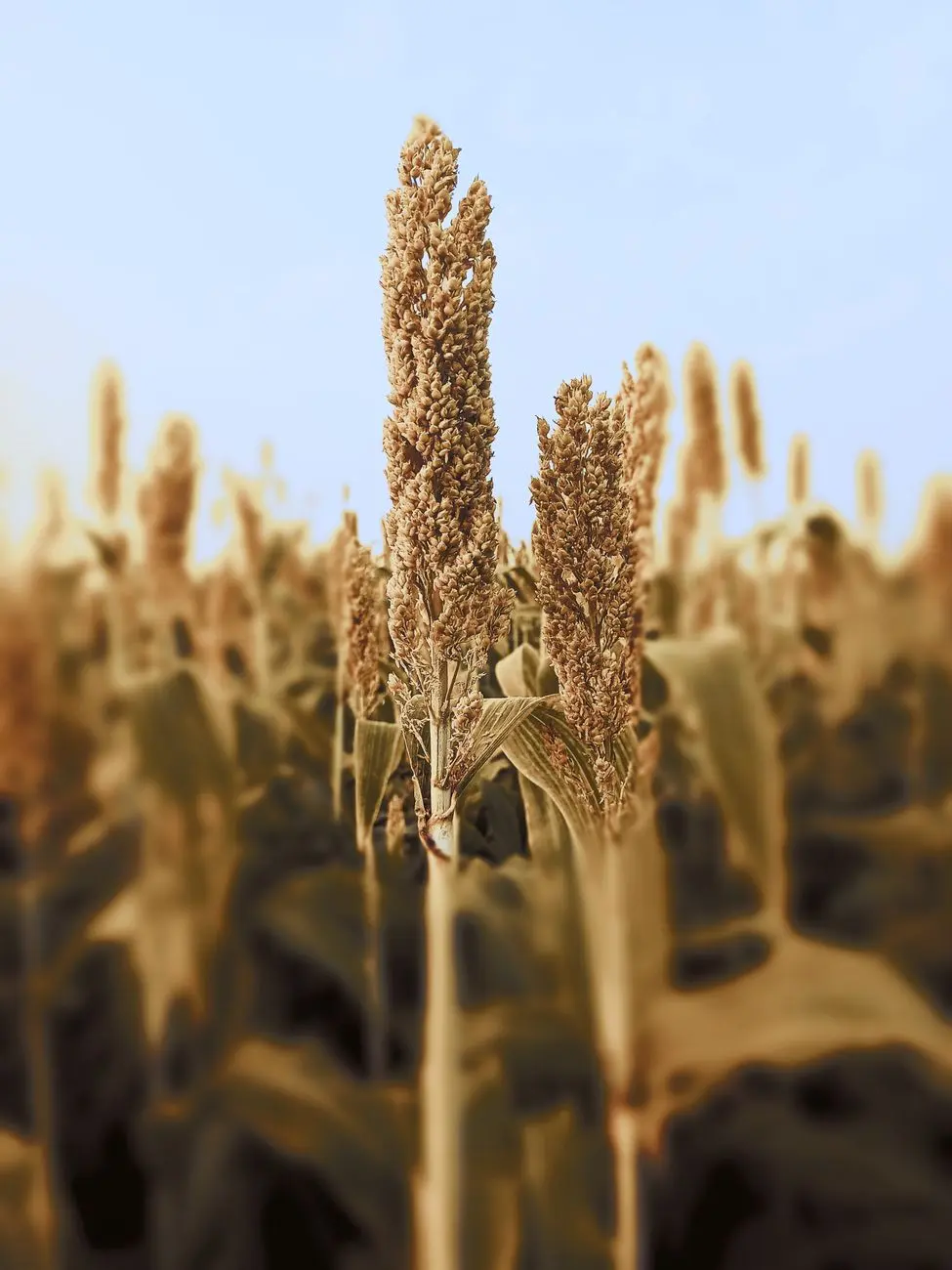
Pearl millet
बाजरा (Bajra)
 Grain and rice
Poha
पोहा (Poha)
 Grain and rice
Semolina
सूजी (Suji)
 Grain and rice
Idli rice
इडली चावल (Idli chawal)