
What it is
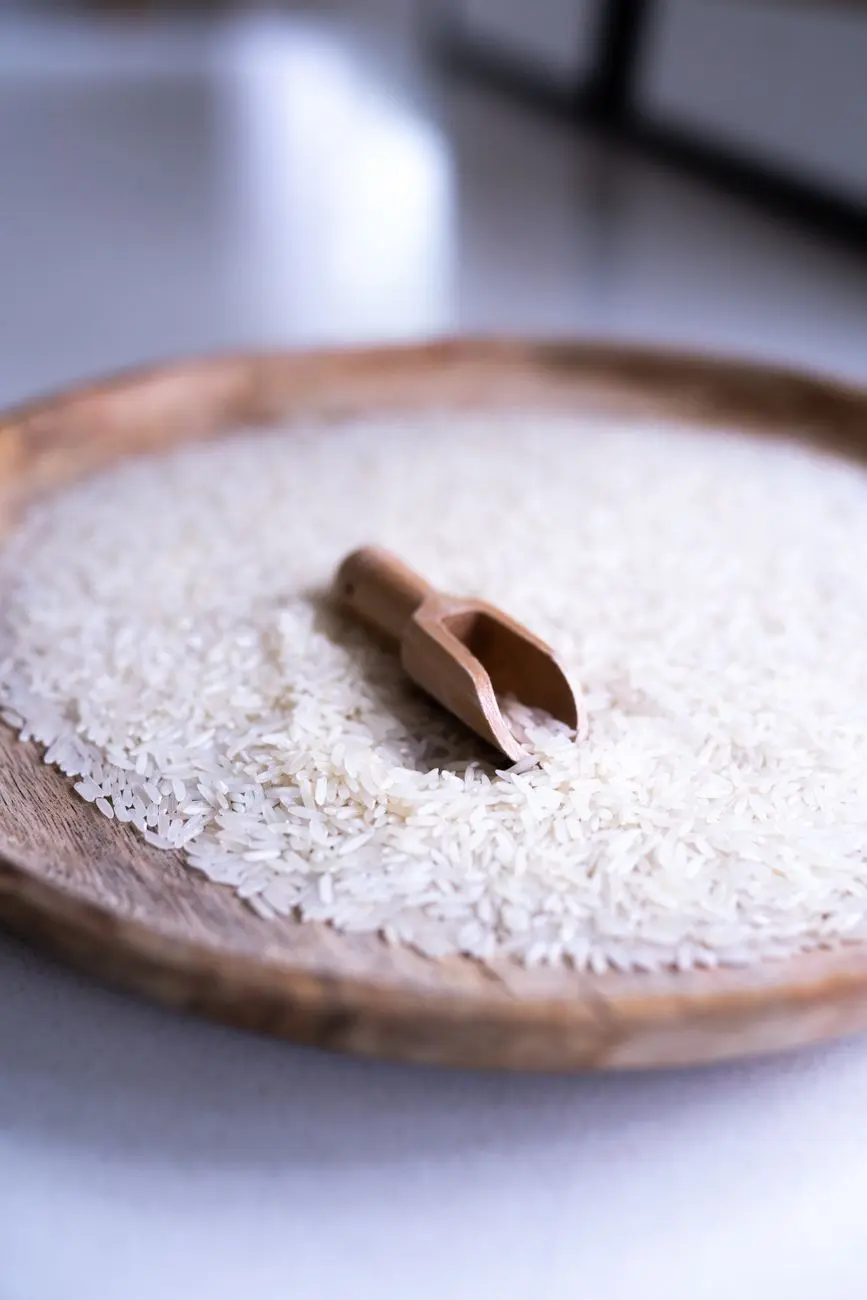
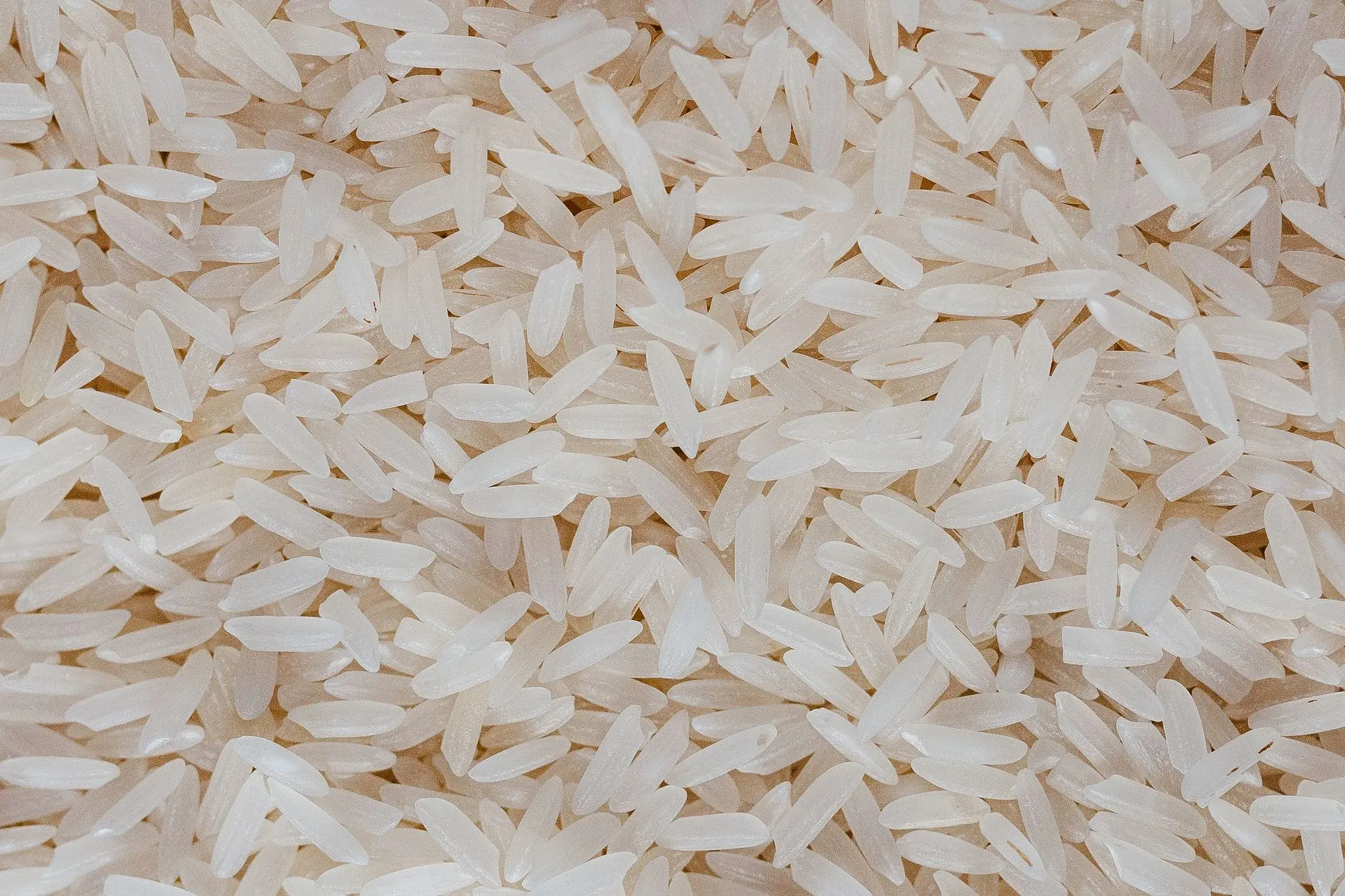
Sona masoori rice (सोना मसूरी चावल) is an aromatic, lightweight, medium-grain white rice from the cereal grass Oryza sativa. It’s the everyday South Indian table rice you serve with sambar, rasam, kootu or pappu.
It’s sold as whole, milled or parboiled uncooked grains. In Andhra and Telangana it’s called Bangaru Theegalu, in Karnataka Sona Masoori Akki, in Tamil Nadu Sona Masoori Arisi, and in Hindi Sona Masoori Chawal.
Flavour and aroma
Cooked Sona Masoori has a distinct yet delicate cereal fragrance with a clean, subtle sweetness. The grain is understated, without the overt floral or perfumed intensity of basmati. This lets your curries and dals stand out instead of the rice stealing the show.
Cooking with it
When to add it
Add washed grains straight to boiling water or into a pressure cooker.
Use it as your daily table rice alongside sambar, rasam, kootu, or lentil pappu. It shines in mixed rice like lemon rice (chitranna), pulihora (tamarind rice), and curd rice.
For festival or comfort cooking, pair it with yellow moong dal, black pepper, and cumin for ven pongal, or sweeten with jaggery for sakkarai pongal. South Indian kitchens also combine soaked Sona Masoori raw rice with parboiled rice and urad dal to grind fermented idli and dosa batter.
Substitutes
- Ponni riceUse in equal measure; offers a similar lightweight, non-sticky texture.
- Kolam riceProvides a comparable delicate medium grain and fluffy mouthfeel.
Origin and where it grows
This variety was bred at the Agricultural Research Station in Bapatla, Andhra Pradesh, by crossing the Sona and Mahsuri cultivars. It continues to be widely grown in Andhra Pradesh, with substantial cultivation in Telangana and Karnataka, including along the Tungabhadra and Krishna irrigation belts. In Telugu it’s fondly called Bangaru Theegalu, meaning golden tendril.
Grown in
Buying and storing
How to pick good quality
Pick aged Sona Masoori that has matured 6 to 12 months after harvest; it absorbs water well and cooks into distinct, non-mushy grains.
Simple adulteration check
Per FSSAI DART, stir a handful of grains in plain water. Pure rice keeps the water clear; if you see color leaching out, the grains may have added water-soluble dyes.
Storage
Store raw Sona Masoori in an airtight dabba in a cool, moisture-free pantry to keep weevils and mould away.
Shelf life: 12 to 24 months when properly dried and stored
Nutrition
About 340-350 kcal per 100 g, mostly easily digestible carbs, with roughly 6-7 g protein.
Frequently asked questions
How is Sona Masoori’s aroma different from basmati?
It has a delicate natural cereal fragrance and a clean, subtle sweetness, without the overt floral or perfumed intensity of basmati. It lets curries and dals take the lead.
How do I cook Sona Masoori?
Add washed grains directly into boiling water or cook in a pressure cooker. That’s it.
Can I use Sona Masoori for idli and dosa batter?
Yes. South Indian kitchens combine soaked Sona Masoori raw rice with parboiled rice and urad dal to grind fermented idli and dosa batter.
Is Sona Masoori available as parboiled rice?
Yes. It’s sold as whole, milled, or parboiled uncooked grains.
What’s a good substitute for Sona Masoori?
Ponni rice works in equal measure and gives a similar lightweight, non-sticky texture. Kolam rice is another option with a delicate medium grain and fluffy mouthfeel.
Related ingredients
 Grain and rice
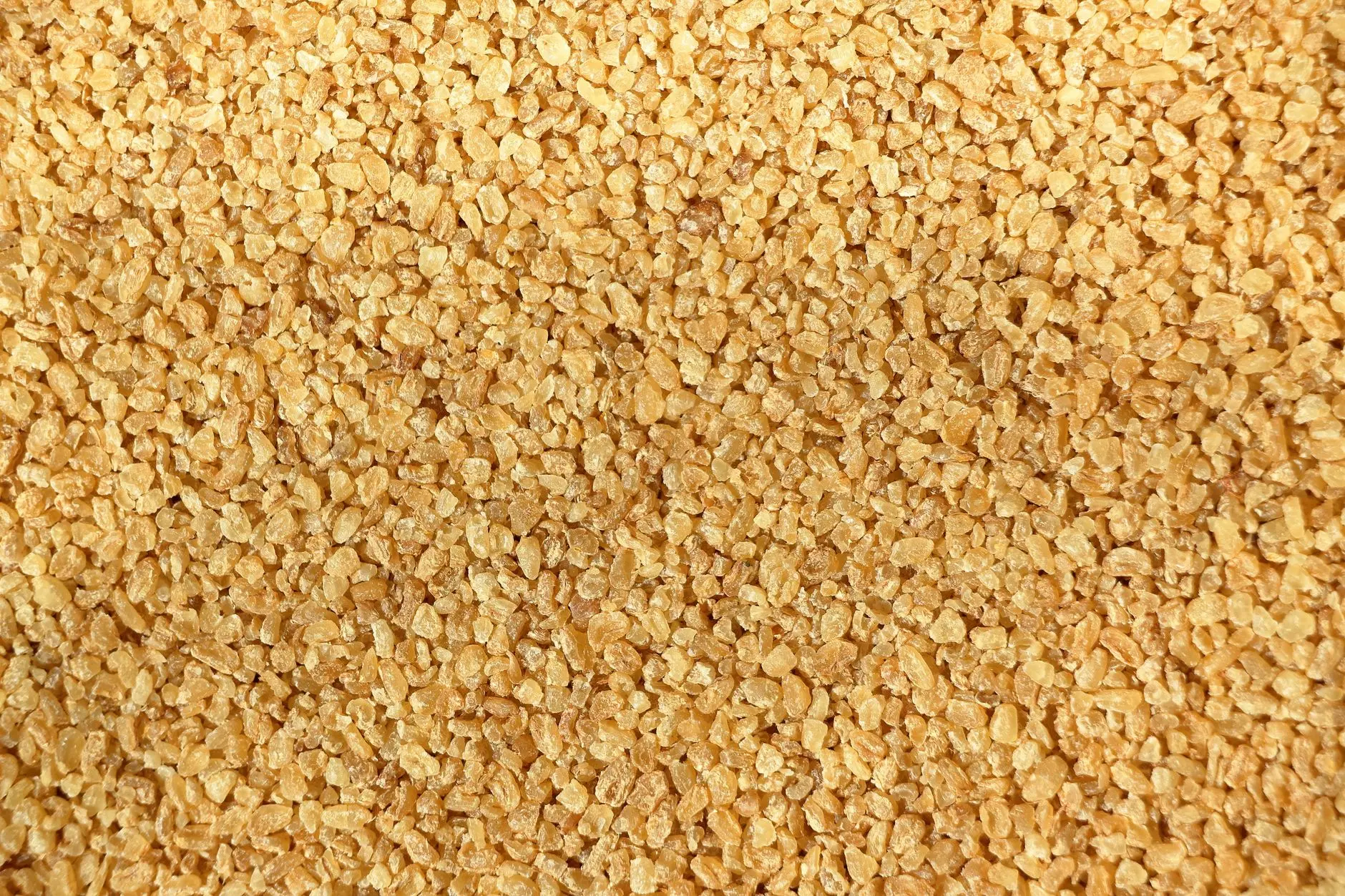
Broken wheat
दलिया (Daliya)
 Grain and rice
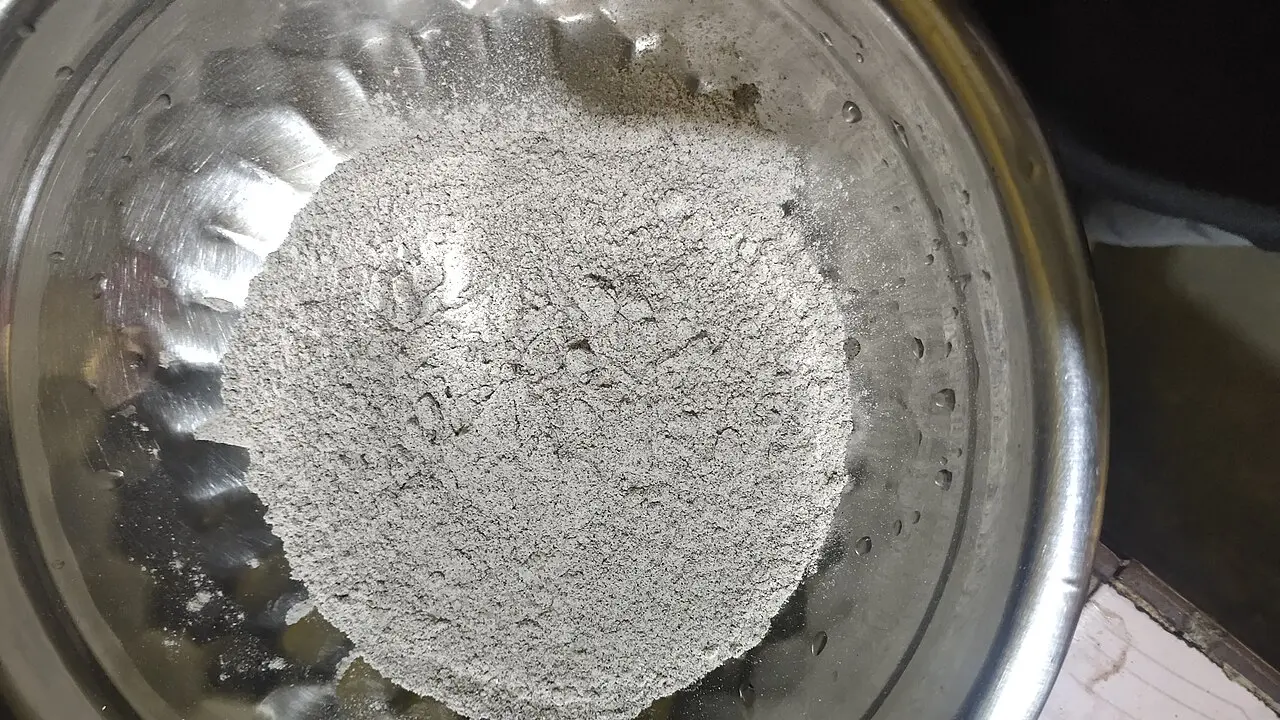
Finger millet
रागी (Ragi)
 Grain and rice
Idli rice
इडली चावल (Idli chawal)
 Grain and rice
Pearl millet
बाजरा (Bajra)
 Grain and rice
Poha
पोहा (Poha)
 Grain and rice
Semolina
सूजी (Suji)